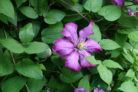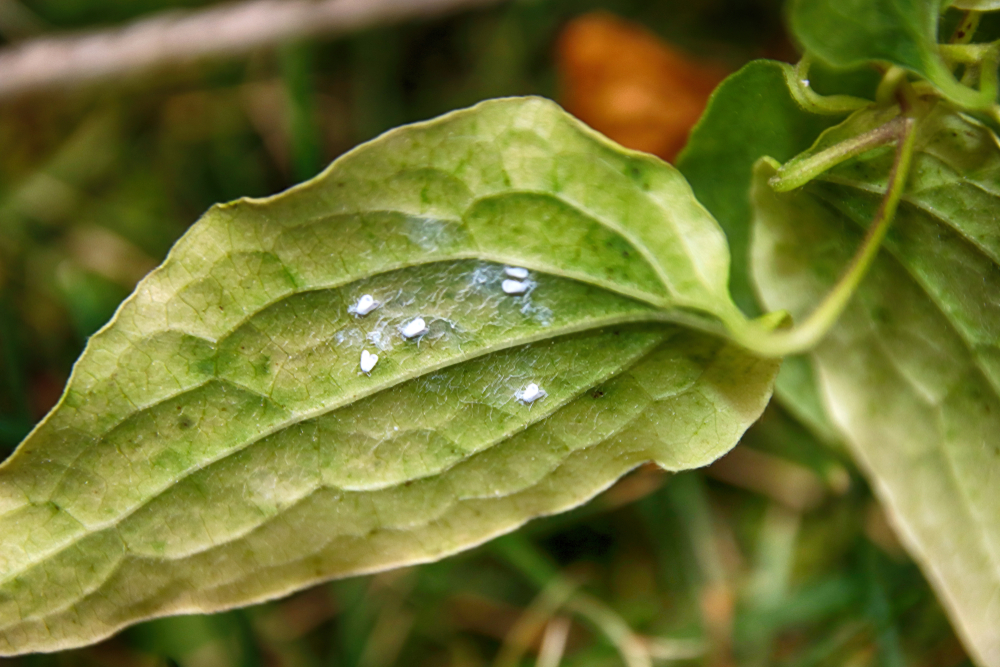
If you notice brown leaves popping up on your clematis, it’s definitely time to pay attention. When it comes to these beautiful climbers, acting fast is key. Some diseases can spread like wildfire, and if you wait too long, your entire plant might be at risk.
Here’s a breakdown of why your clematis might be turning brown and what you can do about it.
The Usual Suspect: Clematis Wilt
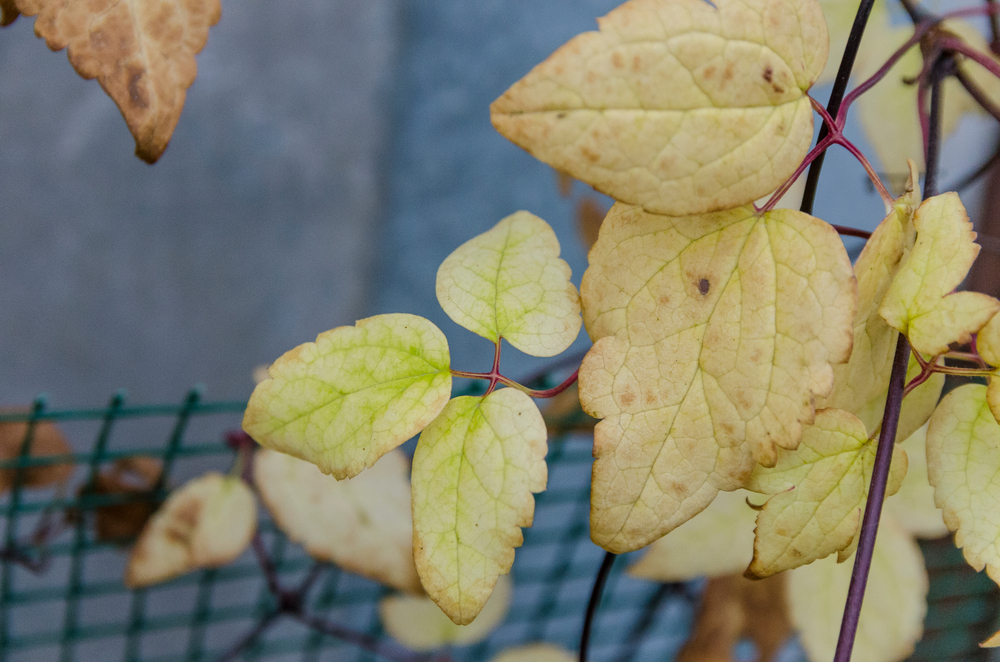
The most common reason for those ugly brown patches is Clematis Wilt. This is a fungal disease that specifically targets clematis plants by clogging up their “plumbing” (the vascular system). When the plant can’t move water through its stems, the leaves start to dry out and die.
Usually, you’ll notice the tips of the vines wilting first, followed by the leaves turning brown. If left untreated, the fungus will travel down the stems until the entire plant looks like it’s toast.
How to Fix Clematis Wilt
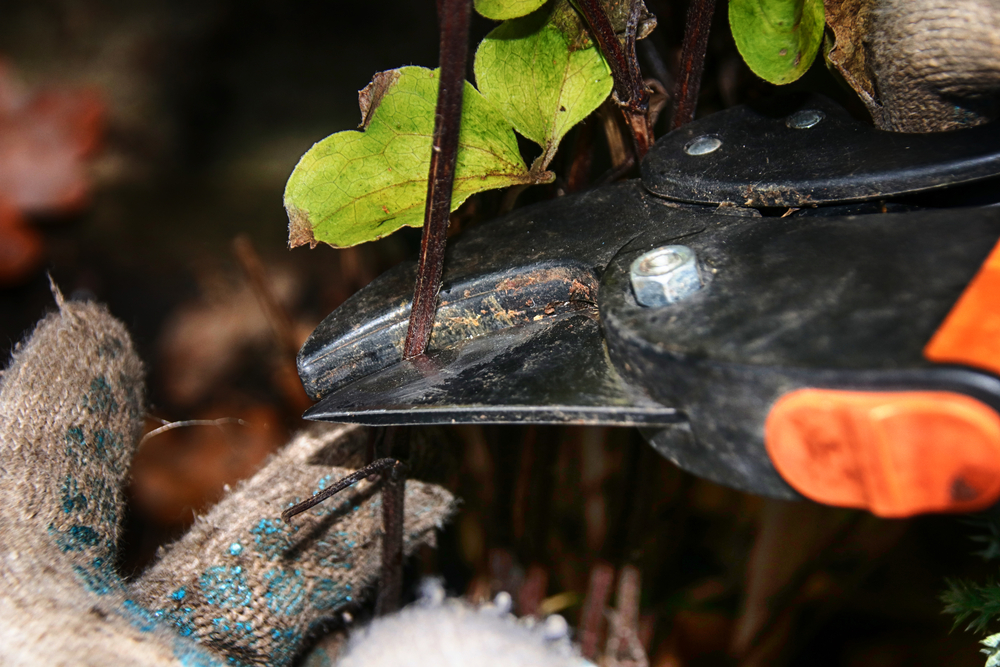
If you spot the signs early, your best bet is to prune away the affected leaves immediately. However, if the disease has already started moving down the vine, you’ll need to be brave and go for a radical hard prune.
Pro tip: Never put those diseased clippings in your compost pile! Since this is a fungus, it can survive in the compost and spread to the rest of your garden. Bag them up and toss them in the regular trash instead.
Prevention is the Best Medicine
While you can’t always 100% prevent Clematis Wilt, you can definitely make your garden a less friendly place for it. The biggest culprit is “wet feet”—or soil that stays too soggy.
When you’re planting, make sure your soil drains well. If your dirt is heavy clay, mix in some sand and compost to loosen things up. I also recommend adding a four-inch drainage layer of gravel or coarse sand at the bottom of the planting hole to keep water from pooling around the roots. Your clematis will thank you!