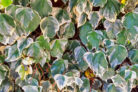
While the clematis (also known as old man’s beard) can be a bit picky, it’s actually a pretty hardy addition to your garden. That said, even the toughest clematis can run into some serious health issues. The key to keeping your vines happy is catching problems early. The absolute biggest headache for any clematis grower? The dreaded clematis wilt.
There’s No Such Thing as 100% Protection
There are a ton of reasons why your clematis might get hit with wilt. Some things you can control, but others are just up to Mother Nature. For example, to prevent soggy roots, you should always add a drainage layer of grit or gravel to the bottom of your planting hole. Other factors are trickier. Too much sun can be just as stressful as too much rain. Sometimes, all it takes is a string of foggy, humid nights for wilt to rear its ugly head.
Speed is Everything!
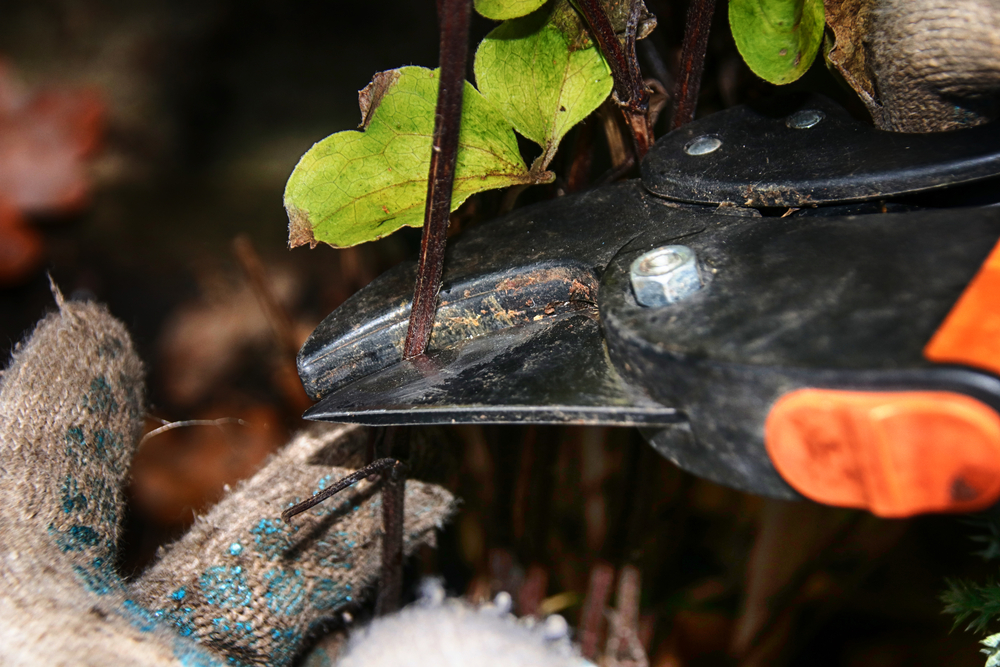
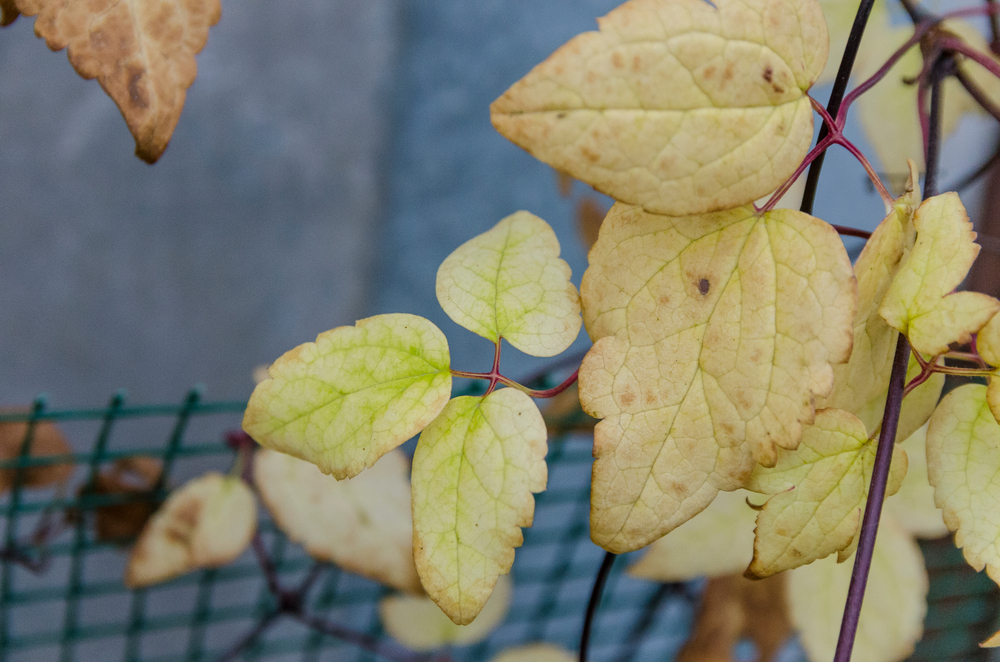
It’s super important to memorize the early warning signs of clematis wilt. This disease is actually a fungal infection that spreads through the plant’s system. If you don’t act fast, the fungus clogs up the plant’s “plumbing” (the vascular tissue), preventing water from moving through the vine. The first sign is usually leaves turning brown. If you see this, snip those leaves off immediately! If the wilt has already started to spread, your only real option is a radical pruning—cut it way back. Just a pro-tip: don’t toss those infected clippings in your compost pile. Throw them in the regular trash so the fungus doesn’t hang around to haunt your garden next year.
Mildew and Gray Mold
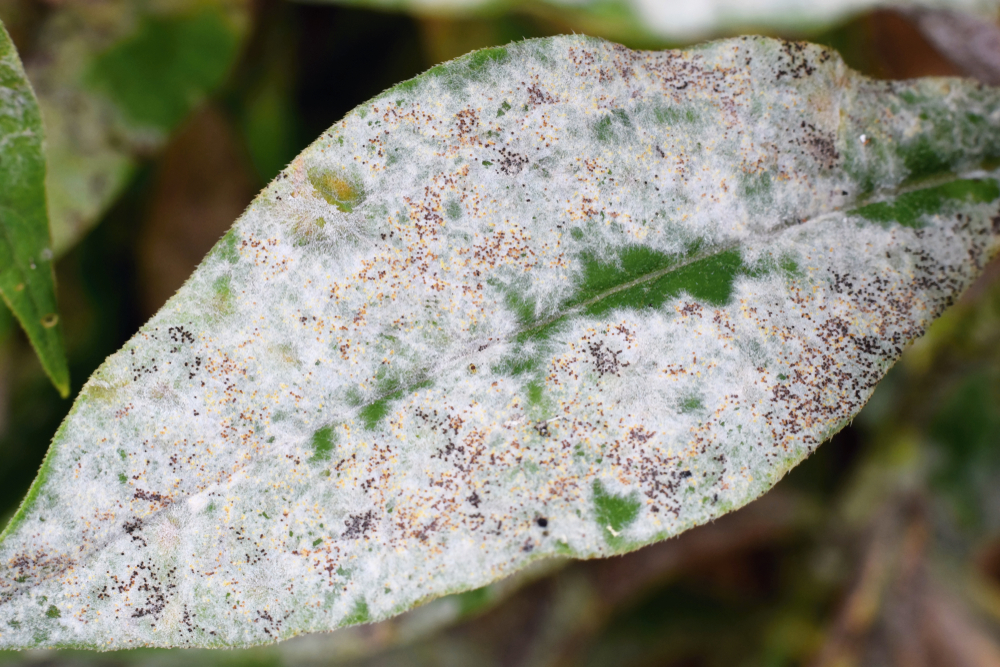
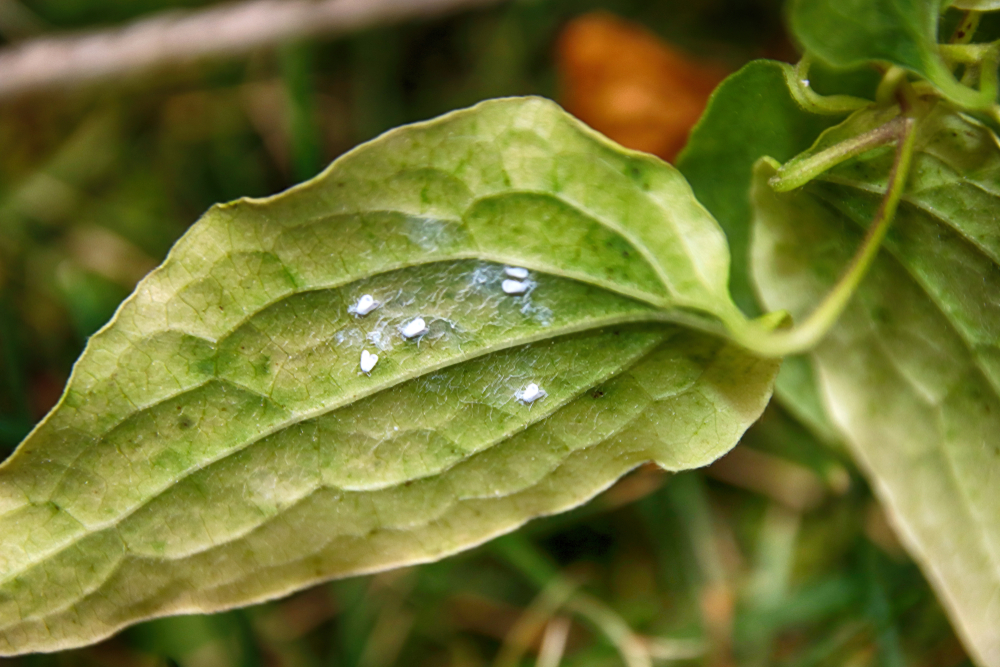
Wilt isn’t the only thing to watch out for. Clematis can also fall victim to powdery mildew, which looks like a dusty white or gray coating on the leaves and stems. This usually happens when the humidity is too high or if the fungus hitches a ride from neighboring plants. A great natural trick to prevent this is to plant “bodyguards” like garlic, chervil, or chives nearby.
Finally, keep an eye out for gray mold (Botrytis). This shows up as a fuzzy gray carpet on the leaves and flowers. You’ll need to remove any affected parts right away. Unfortunately, if the mold has taken over the entire plant, it’s usually game over for that specific vine.