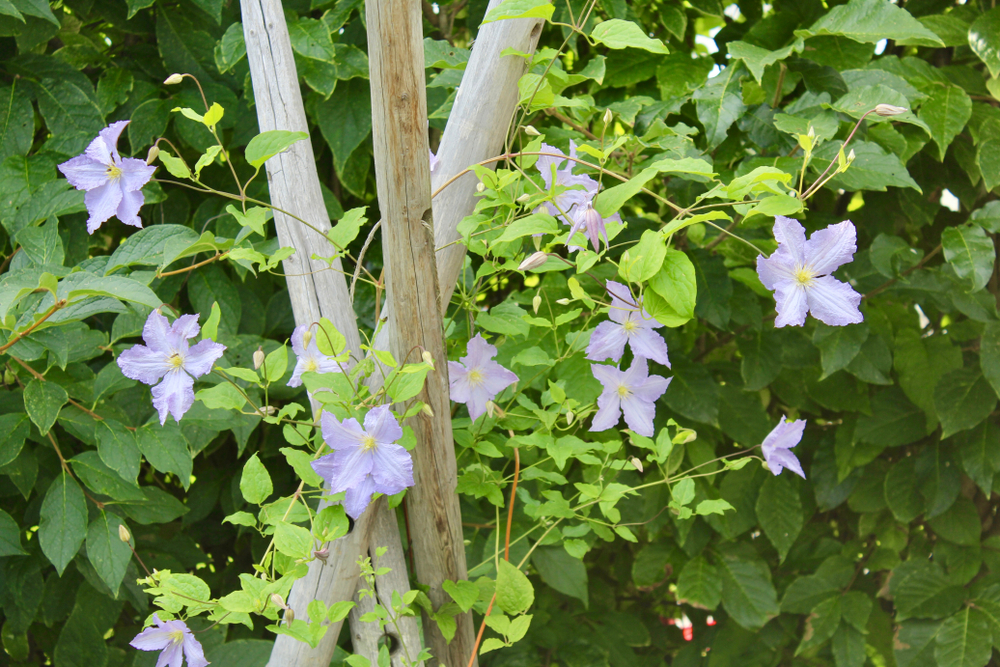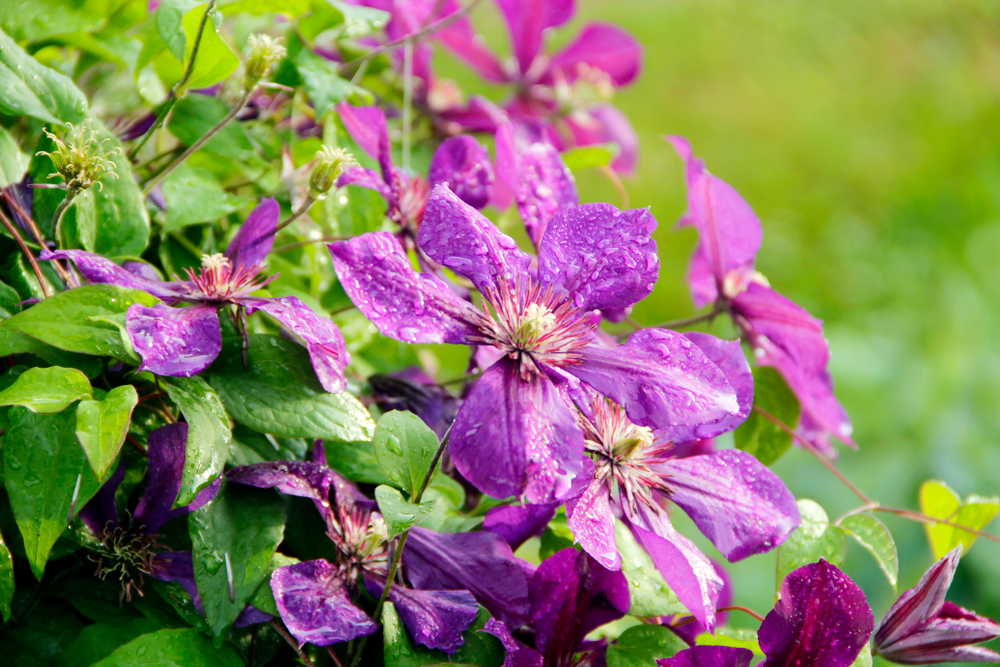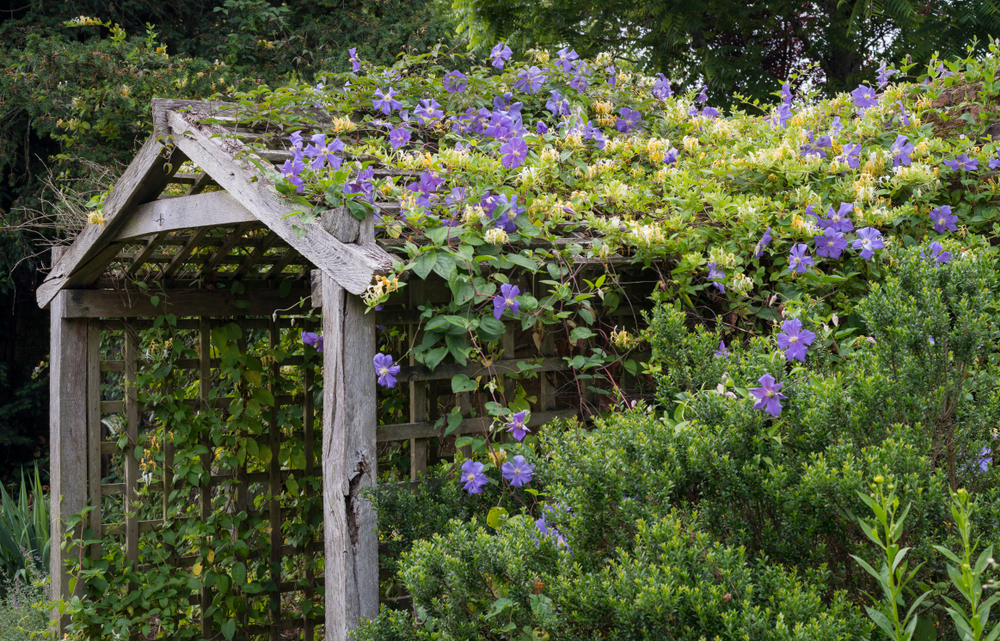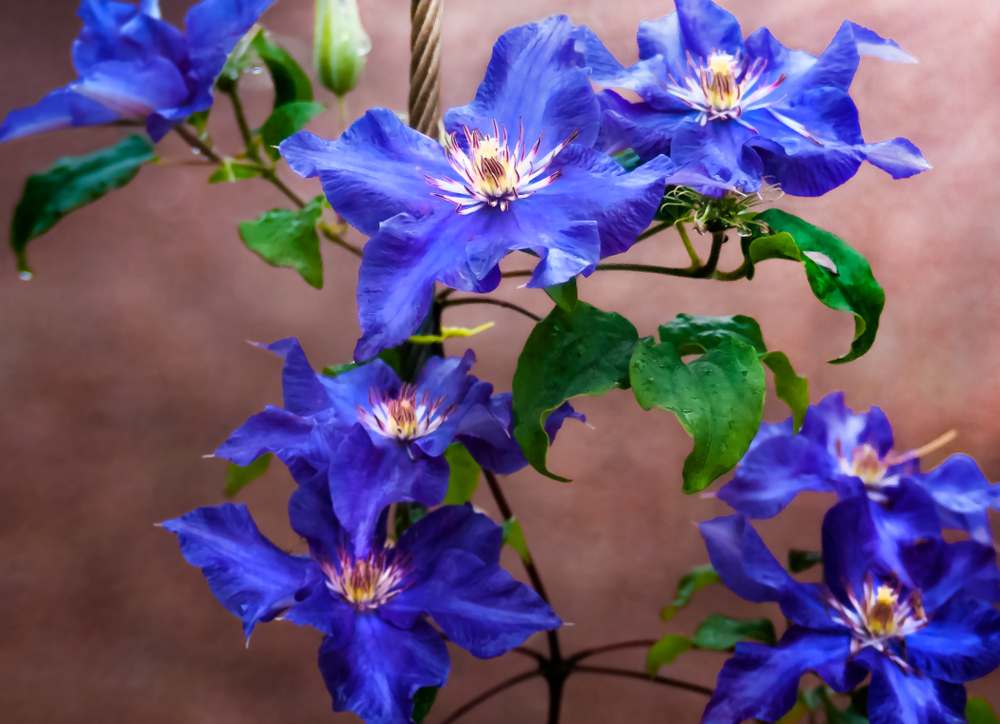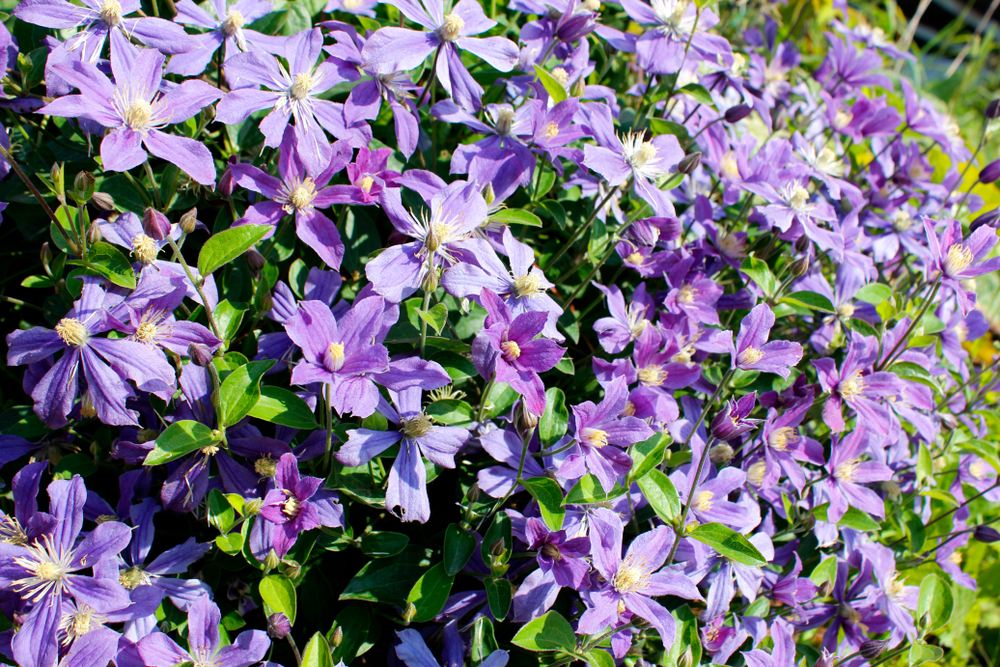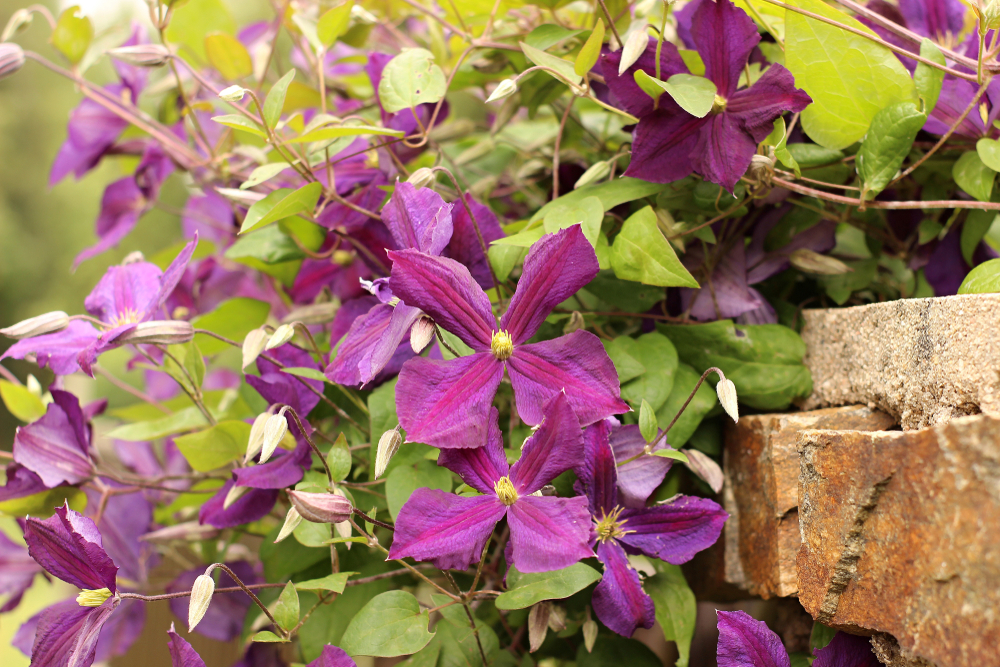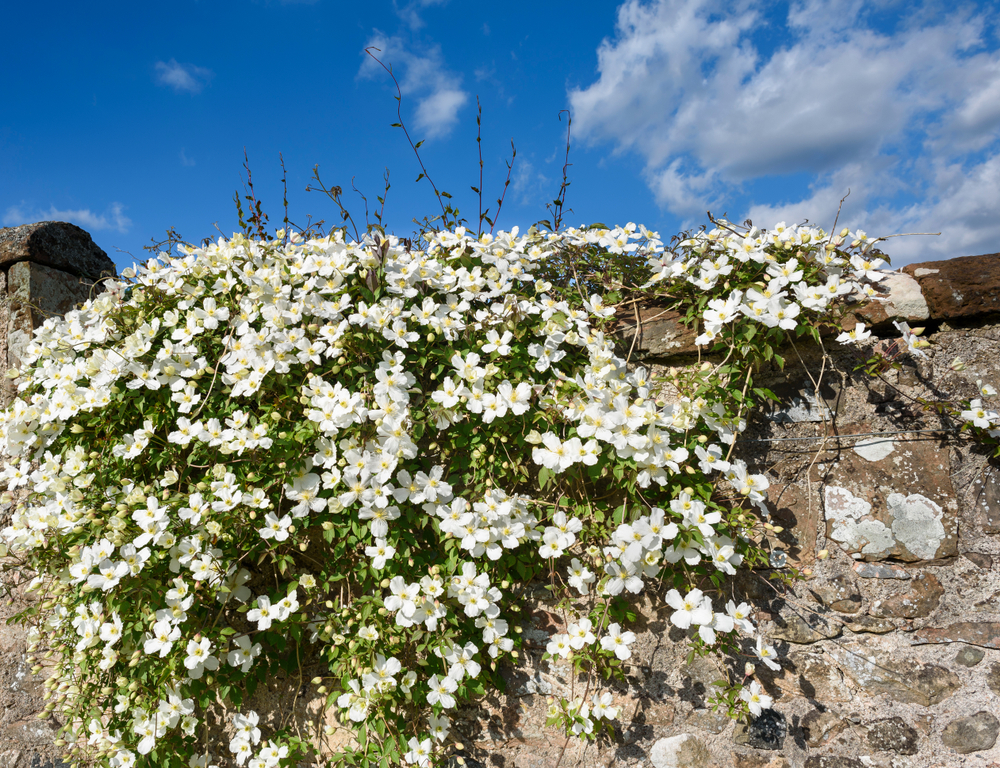
Clematis can be a bit picky when it comes to finding the perfect spot in your garden. To really thrive, these beauties need plenty of moisture and nutrient-rich soil. But here’s the golden rule for success: they love having their “heads in the sun and their feet in the shade.” Beyond just the location, timing is everything if you want your sun-loving blooms to truly pop.
Go with Young Plants or Cuttings
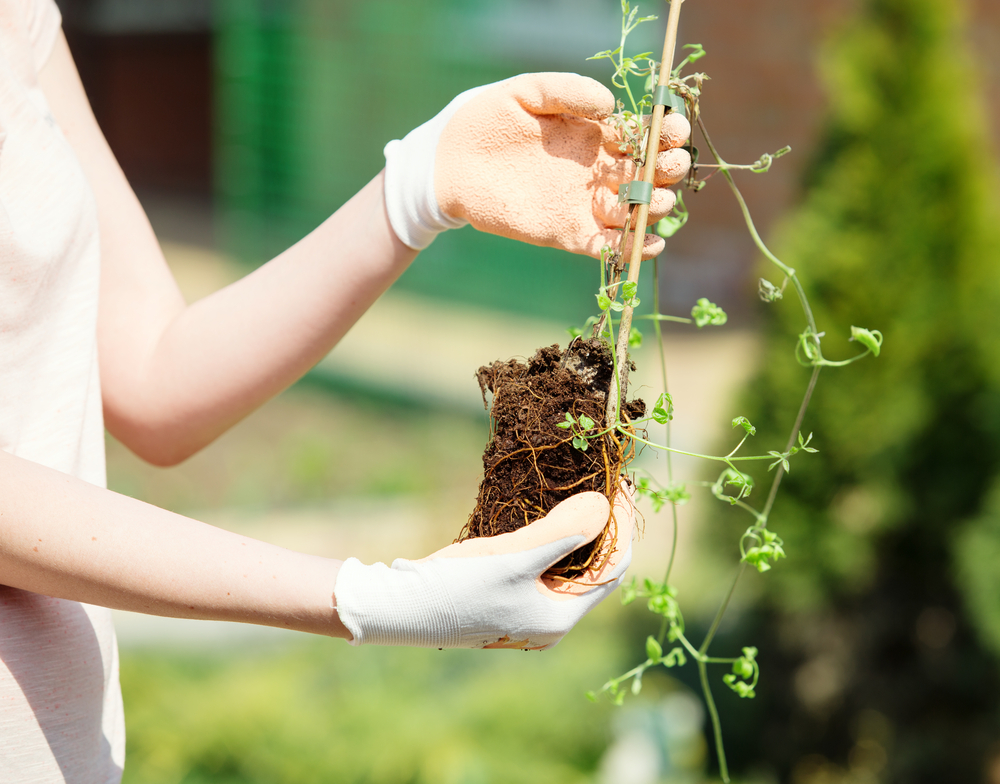
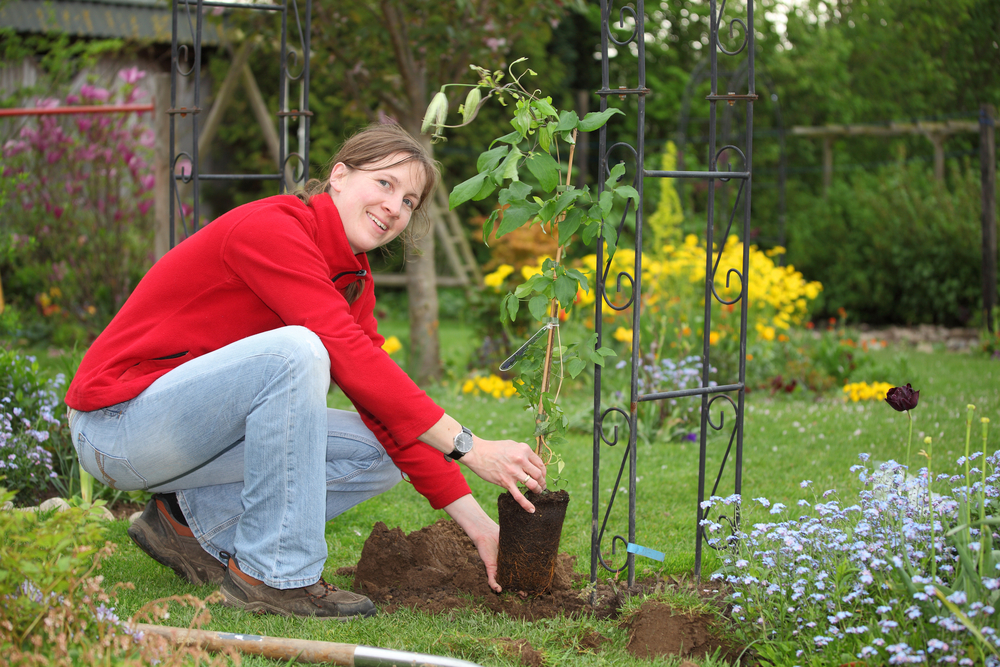
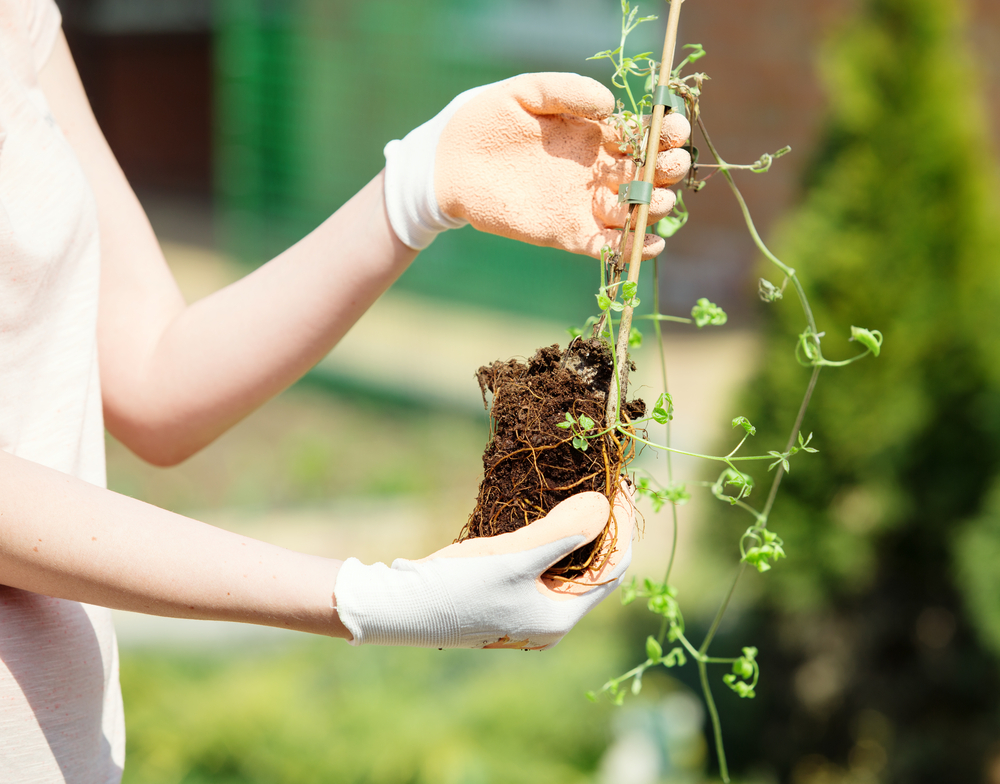
Before we talk about *when* to plant, let’s talk about *what* to plant. Unless you have the patience of a saint and some serious gardening ambition, I’d skip the seeds. Clematis seeds can take up to three years just to germinate! Save yourself the headache and start with container-grown young plants from a nursery or cuttings taken from a healthy, established vine.
The Best Time to Plant
With over 300 different varieties out there, Clematis bloom at all different times throughout the year. Because of this variety, the “perfect” window can shift slightly, but as a general rule of thumb, late summer is your best bet. Planting during this window gives the vine plenty of time to establish a strong root system before the ground freezes, which significantly boosts its chances of bouncing back beautifully in the spring.
Watch the Soil Temperature
Clematis are a bit like Goldilocks when it comes to dirt—they want it just right. They prefer soil temperatures between 57°F and 72°F (14-22°C). If the weather stays mild, you can usually keep planting through September or even into October. Just make sure those roots have a warm enough bed to get settled in before winter hits!