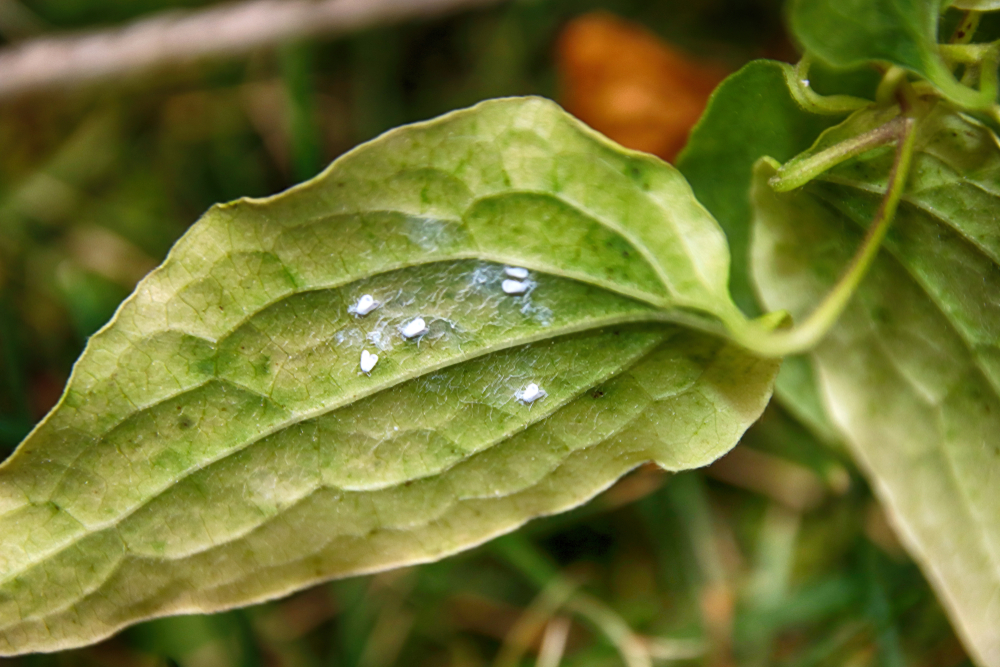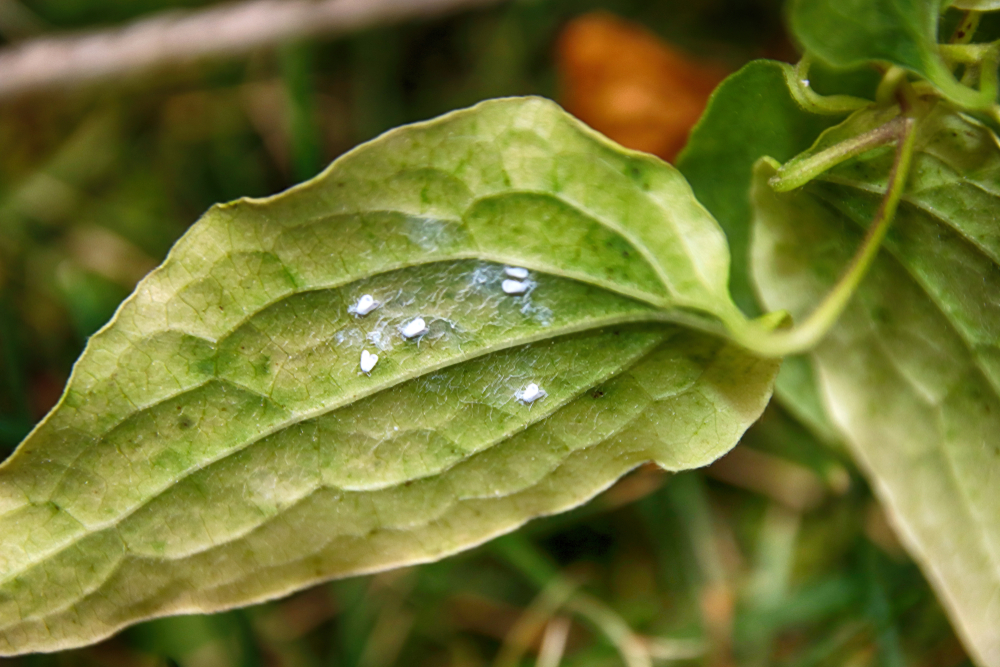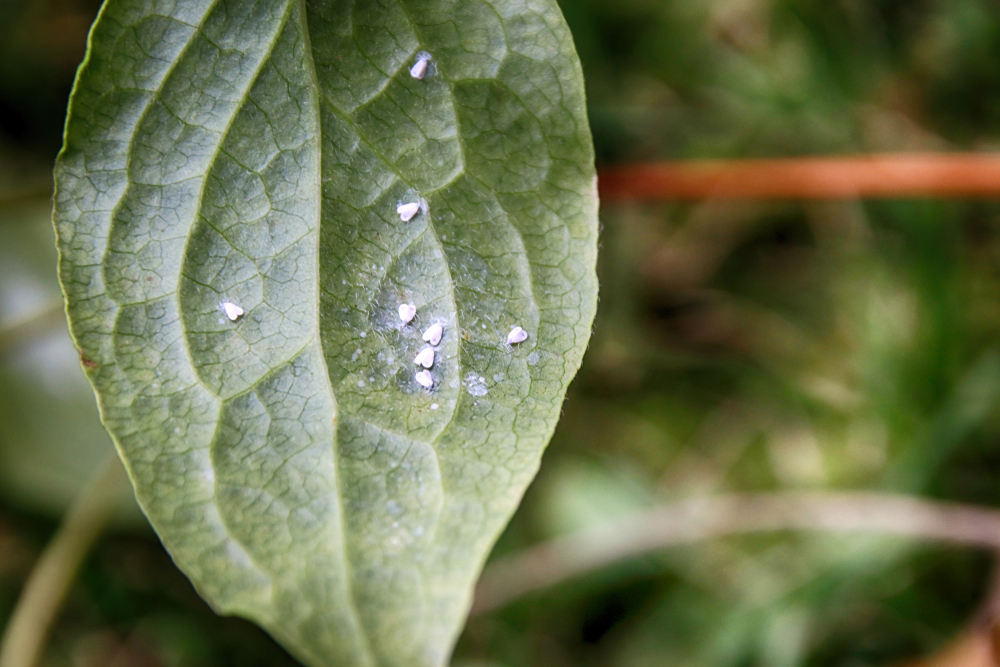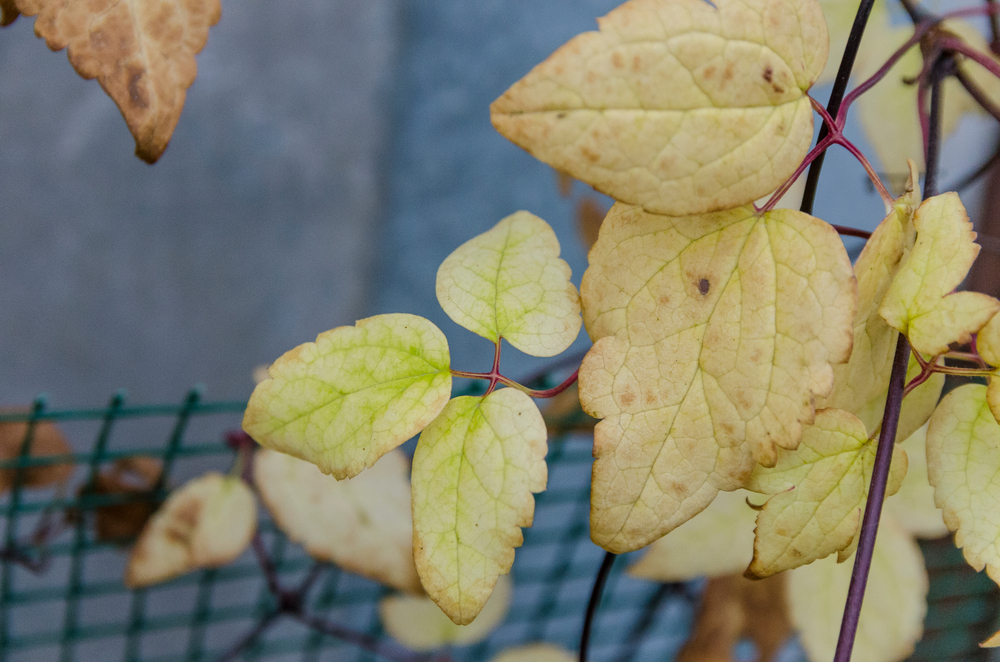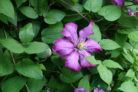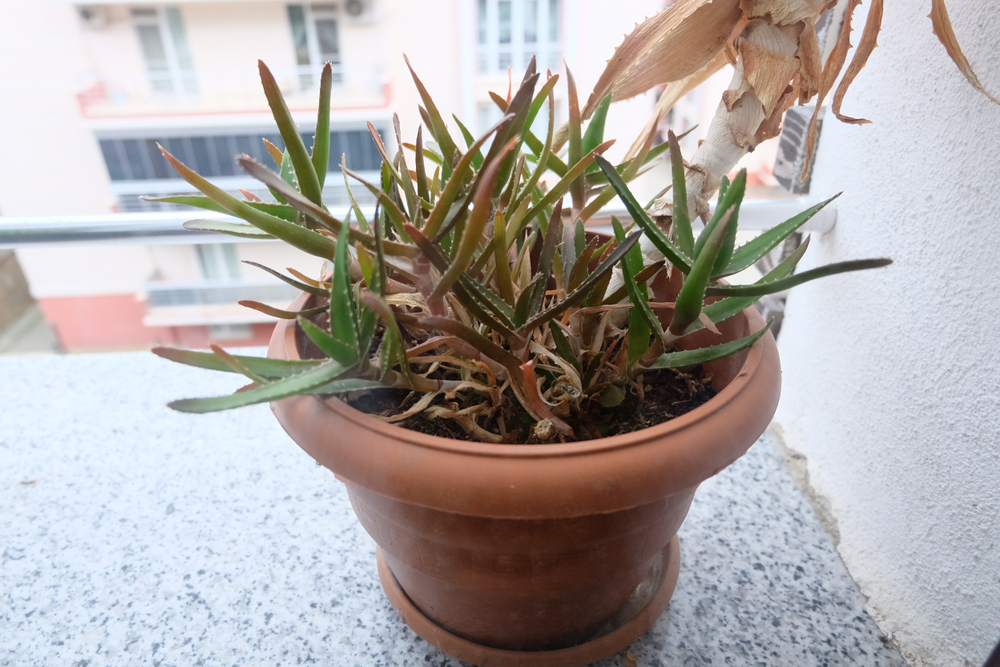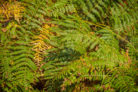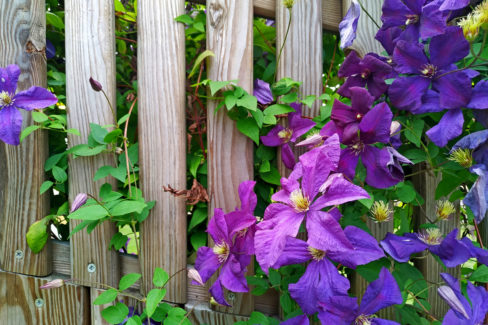
Let’s be honest: there’s nothing quite as stunning in a garden as a clematis in full bloom. These climbers are absolute showstoppers! But every now and then, you might notice those beautiful green leaves starting to turn a worrying shade of brown. If that happens, you’ve got to act fast—there’s a good chance you’re dealing with a plant disease.
Is it Clematis Wilt?
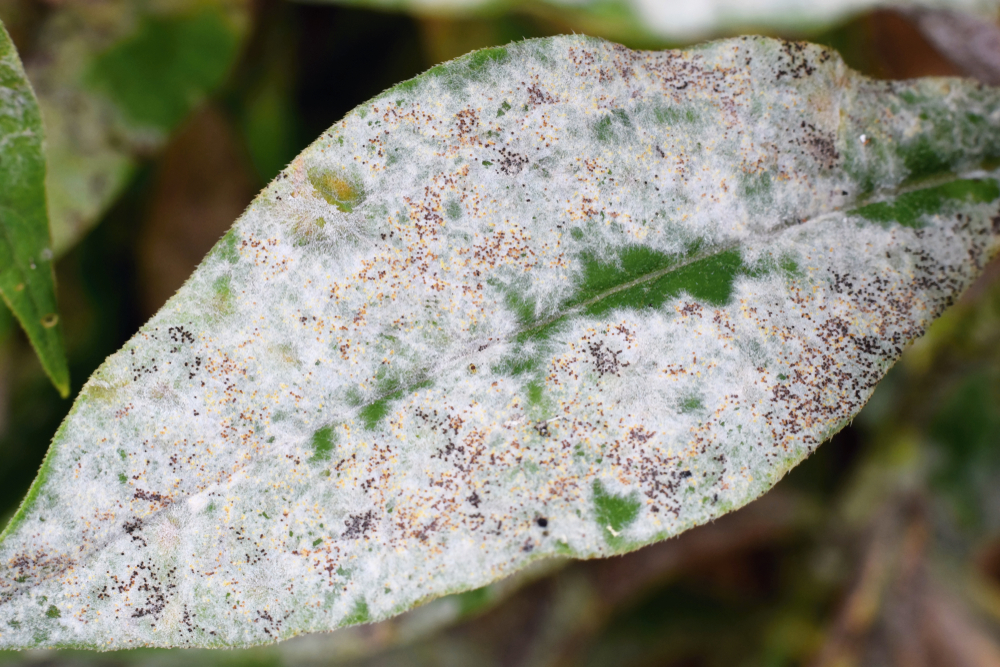
The biggest red flag is when you see brown spots appearing on the leaves that slowly start to spread. If that’s the case, you’re likely looking at Clematis Wilt. This is a fungal infection that basically clogs up the plant’s “plumbing” (its vascular system). Because the water can’t get through, the leaves and flowers at the ends of the vines are the first to suffer and wither away.
Quick Action is Key
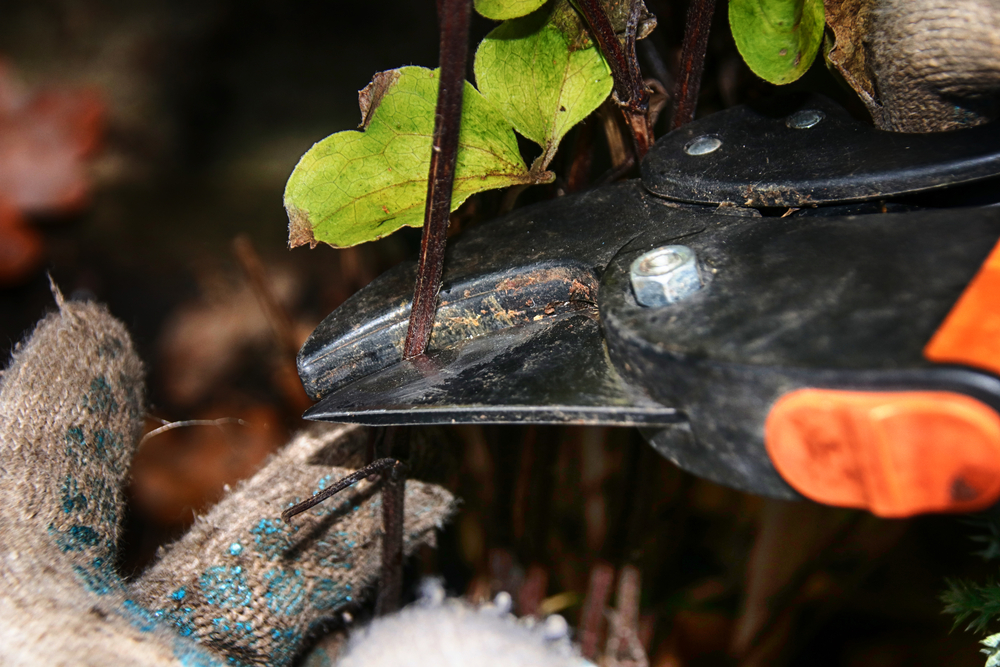
If you spot those tell-tale brown patches, don’t wait! You need to tackle the problem immediately to save your plant. Your first move should be pruning away every single affected part of the vine. Be aggressive here—cut back well into the healthy-looking wood, because the fungus might have already traveled further down the stem than it appears on the outside.
Pro tip: Whatever you cut off, do not put it in your compost pile! You don’t want those fungal spores hanging around to infect your garden next year. Bag the clippings and toss them in the trash instead.
Next Steps for Recovery
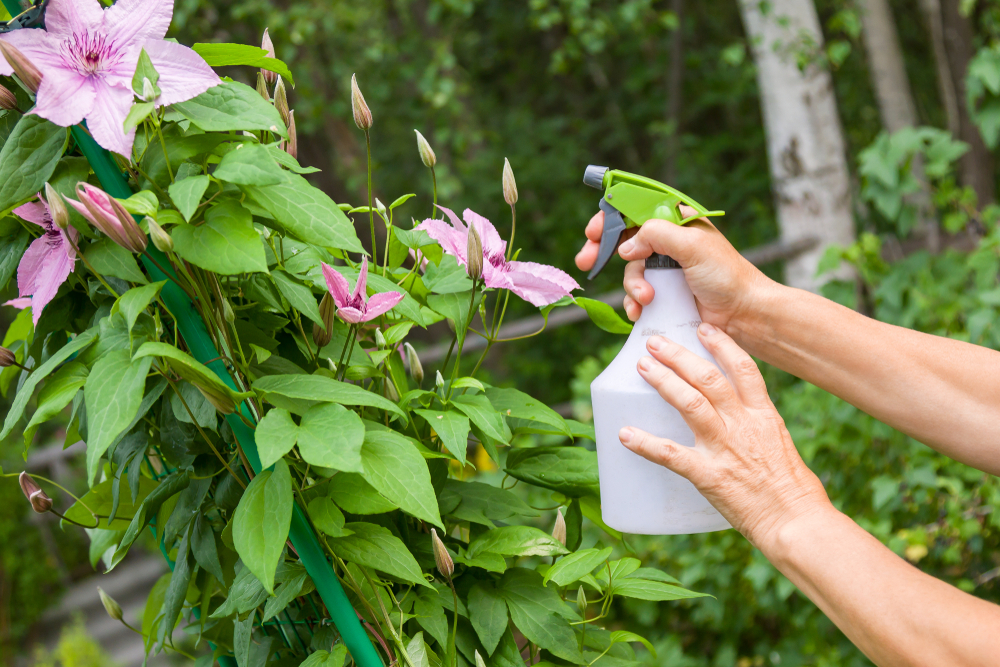
Once you’ve cleared out the sick parts, give the rest of the plant a thorough treatment with a fungicide. Here’s a little “insider” gardener’s trick: try adding 10 aspirin tablets to about 1.5 gallons (5 liters) of water the next few times you water the plant. It can help boost the plant’s immune response.
Of course, before you go into full “emergency mode,” it’s always smart to rule out the simple stuff. Sometimes brown leaves are just a sign that your clematis is thirsty or that a hungry vole has been nibbling on the roots. Check the soil moisture and look for tunnels first, but if those aren’t the culprits, get that pruner ready!