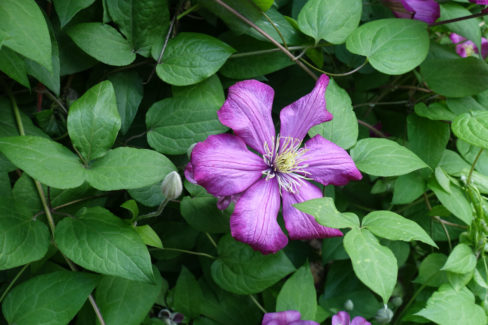
When it comes to finding the perfect spot in your garden, clematis can be a bit of a “diva.” They’re pretty picky about getting just the right amount of nutrients and consistent soil moisture. But don’t let that scare you off—once they’re established, they are actually quite tough! That said, there are a few diseases that can give these climbers a hard time. The biggest threat you’ll likely face is the dreaded clematis wilt.
A Serious Fungal Foe
Clematis wilt is a fungal disease, and there are actually two different types caused by different fungi. “Phoma wilt” is caused by *Ascochyta clematidina*, while “Fusarium wilt” comes from *Coniothyrium clematidis-rectae*. Regardless of which fungus is the culprit, the result is the same: it clogs the plant’s vascular system (its internal “plumbing”). If you don’t step in, the blockage spreads until the entire plant is in trouble.
Spotting the Signs Early
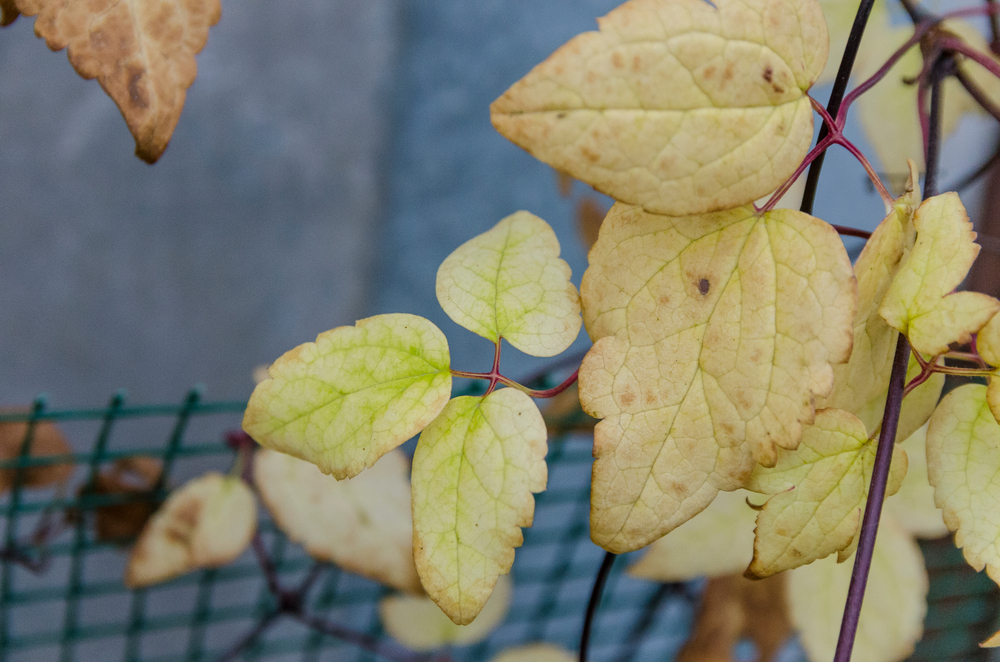
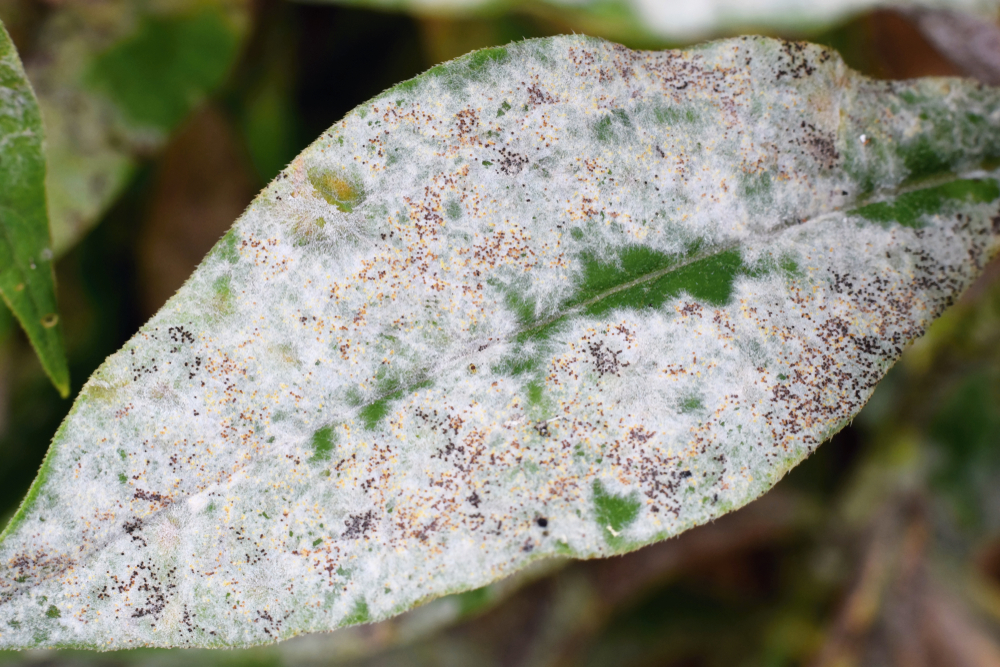
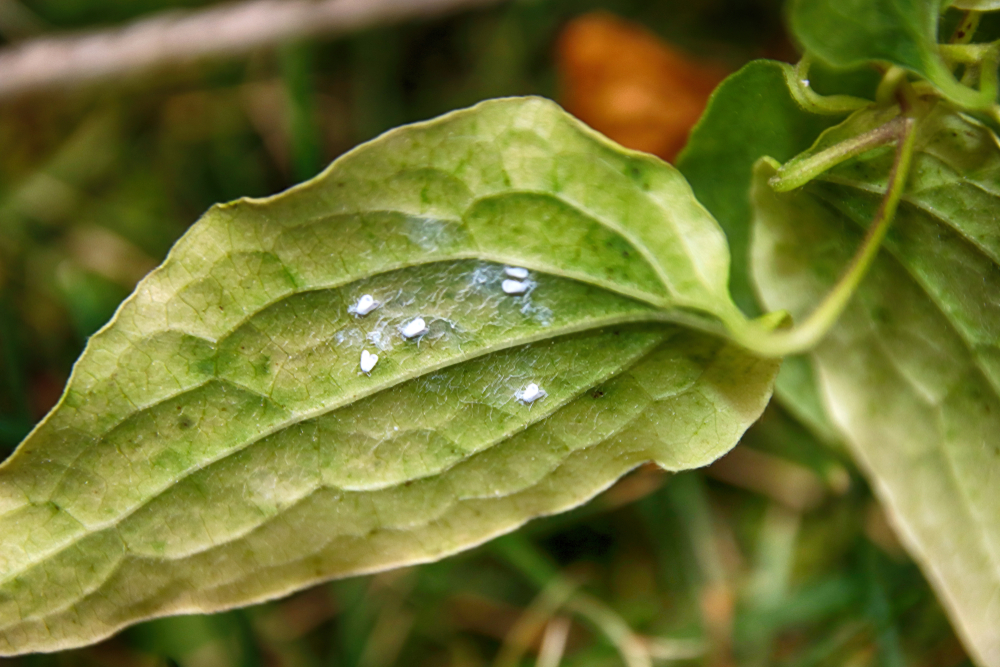
Since the vascular system carries water to the very tips of the plant, the leaves and flowers are the first to show that something is wrong. Keep a close eye out for brown spots with yellow halos on the leaves—that’s your red flag to act fast! If left alone, the infection will move into the stems, and eventually, the whole vine will collapse.
Time for a Radical Haircut
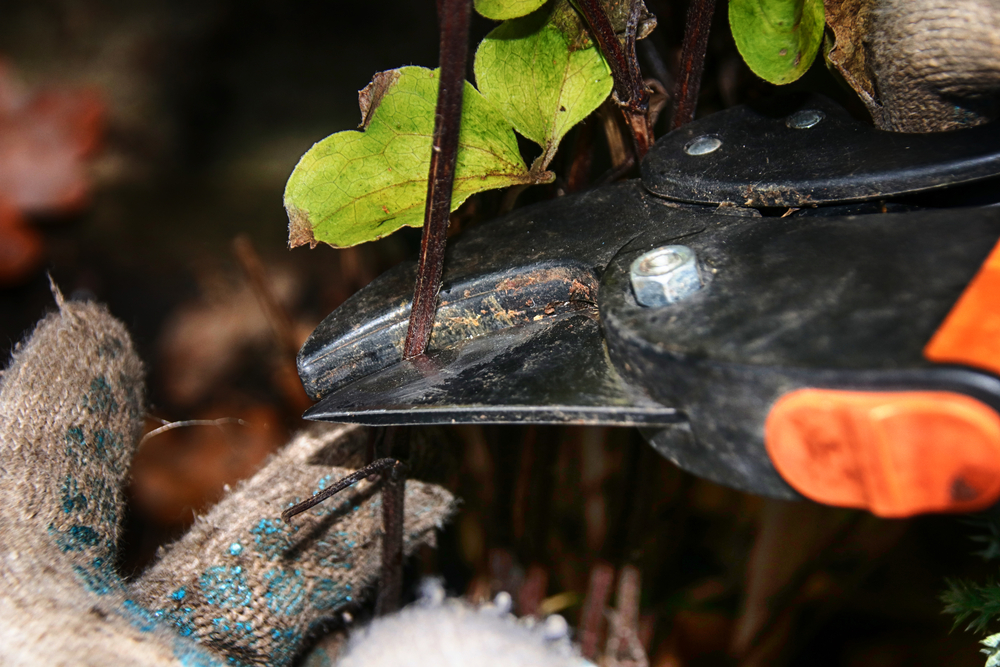
If you suspect your clematis has wilt, you need to prune away the infected parts immediately. My advice? Be aggressive. It’s hard to tell from the outside exactly how far the fungus has traveled through the stems, so cut back well into the healthy-looking wood. Most importantly: do not toss those clippings into your compost pile! The fungus can survive there and reinfect your garden later. This is especially critical for Fusarium wilt, as there aren’t any effective fungicides available to treat it.
Treating the Plant
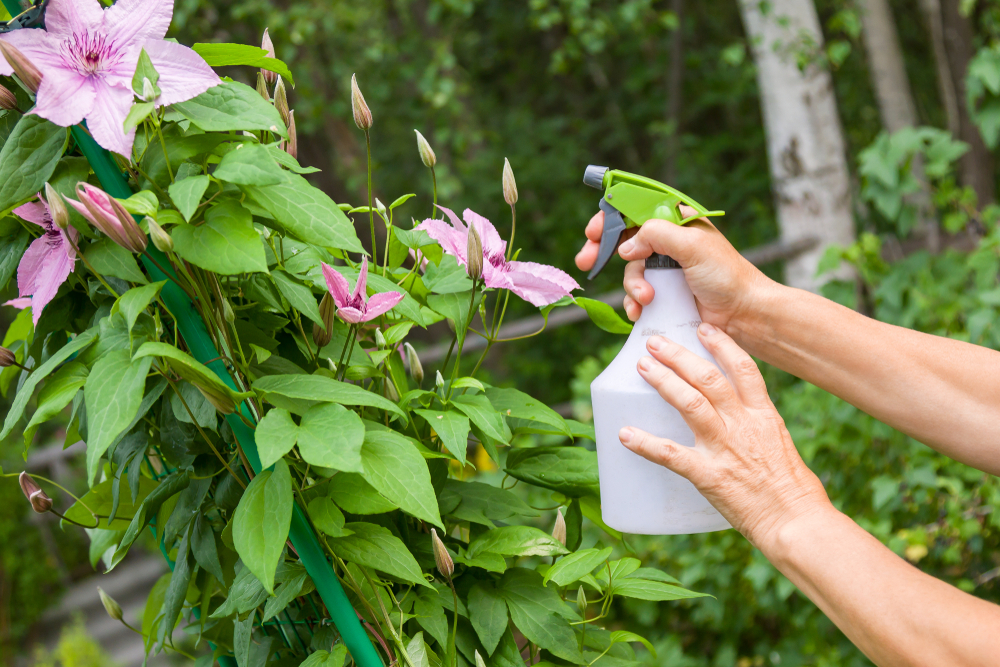
If you’re dealing with Phoma wilt, you have a bit more help. After you’ve finished pruning, you can spray the plant with a fungicide to kill off any remaining spores. Also, don’t forget to give your pruning shears a good soak in rubbing alcohol or another disinfectant once you’re done. You don’t want to accidentally spread the fungus to your other plants next time you’re gardening!
An Ounce of Prevention
While you can’t control everything—sometimes a stretch of humid weather is all it takes for the fungus to move in—there are things you can do to lower the risk. Prevention is key! Make sure your planting hole has excellent drainage so the roots aren’t sitting in soggy soil. Good air circulation is also a lifesaver. When you’re installing a trellis or support, try to leave a little breathing room between the trellis and the wall of your house rather than mounting it flush. Your clematis will thank you for the extra breeze!