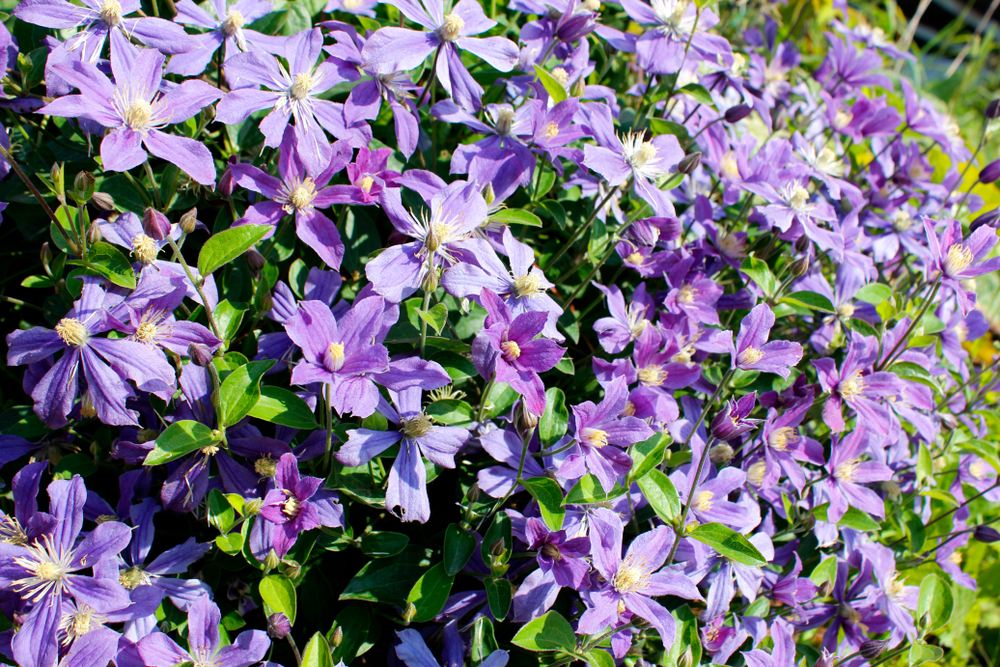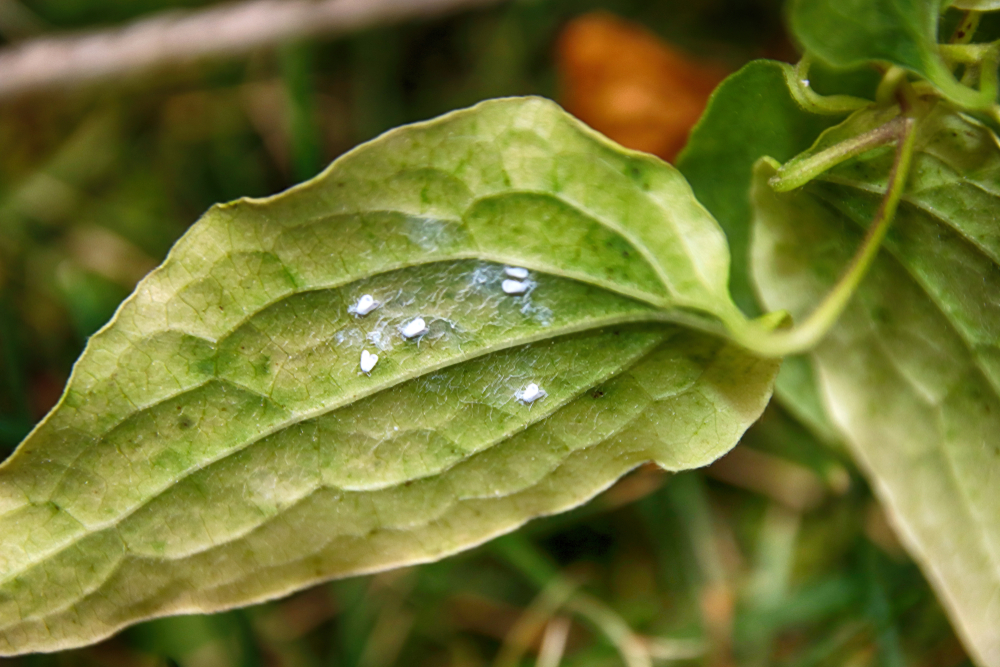
Depending on the variety, clematis can put on a spectacular show from early spring all the way through late fall. When they’re in bloom, it’s hard to look at anything else! But if you want to keep your “Queen of the Climbers” happy, you’ve got to keep an eye on the foliage, too. The leaves are actually great communicators and can tell you a lot about the overall health of your plant.
Brown leaves are a major red flag
The most common issue you’ll run into with these vines is Clematis Wilt. This is a fungal disease that basically clogs up the plant’s internal plumbing. When the water can’t flow, the leaves dry out, turn brown, and die off. If you see this happening, you need to jump into action immediately. If left alone, it can spread through the entire vine and even hitch a ride to your other garden favorites.
How to tackle Clematis Wilt
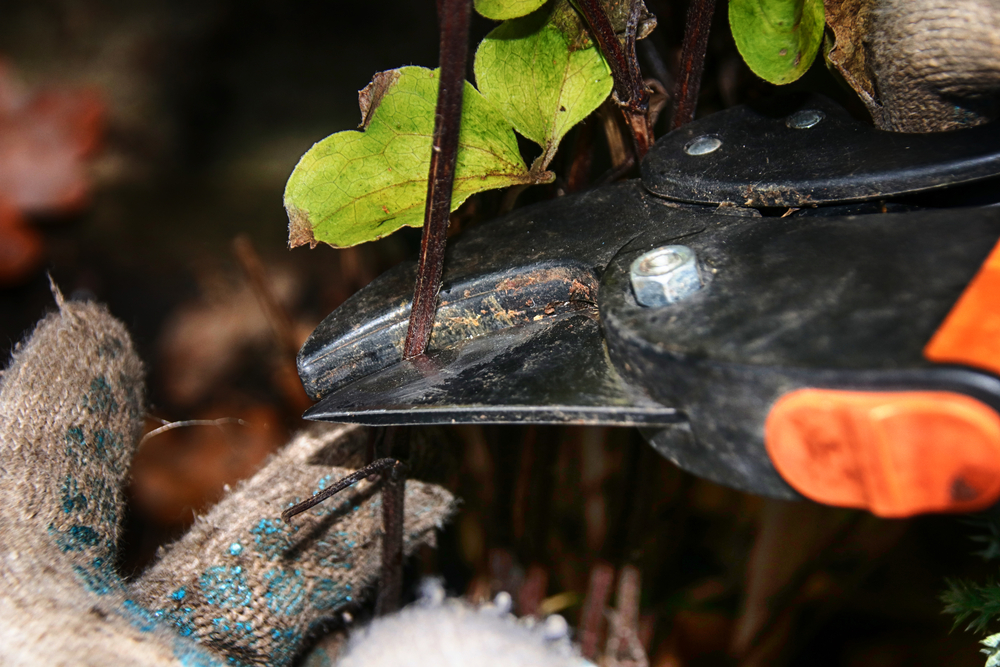
Wilt often rears its head when the soil stays too soggy, but sometimes it’s just down to bad luck—like a string of foggy, humid nights. Even the best gardeners deal with it! If you spot brown leaves, snip them off right away. If the fungus has already taken hold, your best bet is a radical pruning to clear out the infected growth. Just a heads-up: don’t toss those clippings in your compost pile! Bag them up and put them in the trash so the fungus doesn’t hang around.
Mildew and Gray Mold
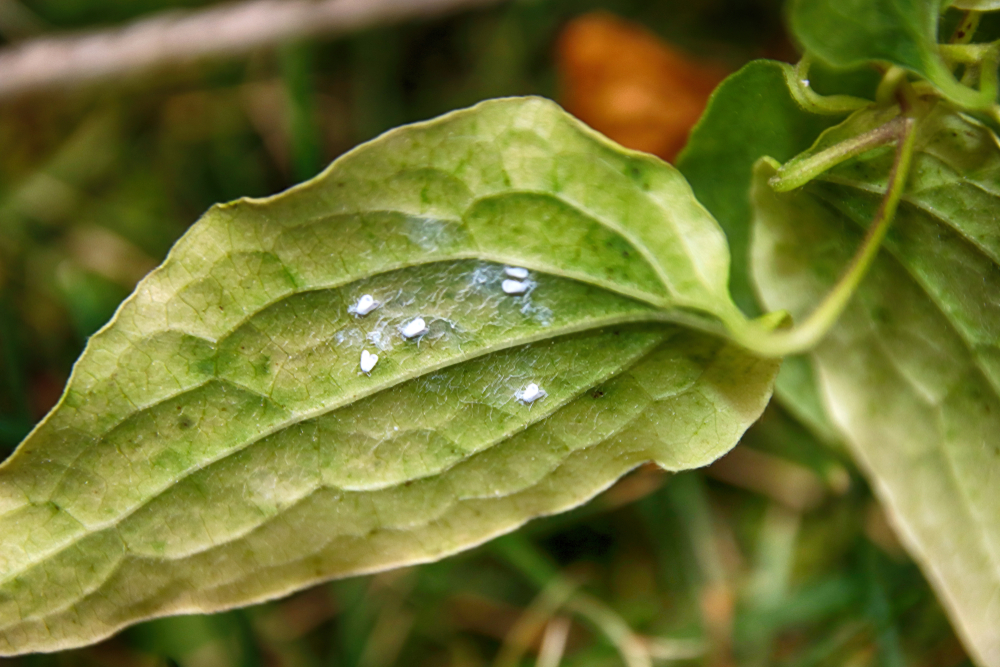
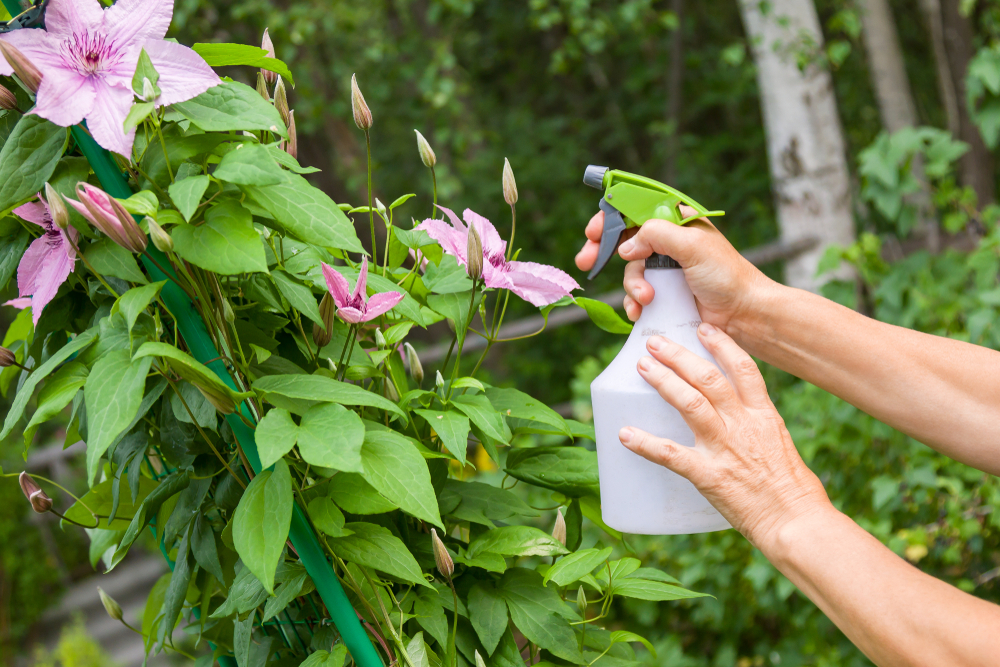
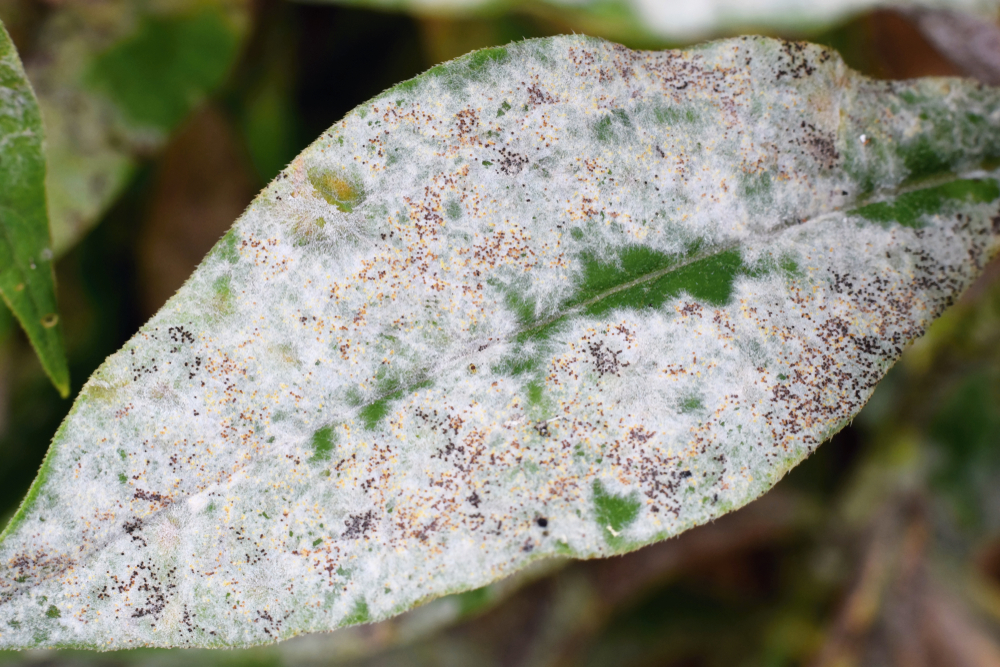
Your clematis leaves will also give you a heads-up if Powdery Mildew or Gray Mold (Botrytis) has moved in. With Powdery Mildew, you’ll notice a dusty, white-gray coating on the leaves. A great DIY fix is spraying the plant with a bit of milk, or a mix of water, baking soda, and a splash of canola oil. Gray Mold, on the other hand, looks like a fuzzy gray carpet spreading over the leaves and flowers. If you see that, you’ll need to prune away the affected sections quickly to stop it from spreading.
By watching the leaves, you can catch these common issues early:
- Clematis Wilt
- Powdery Mildew
- Gray Mold
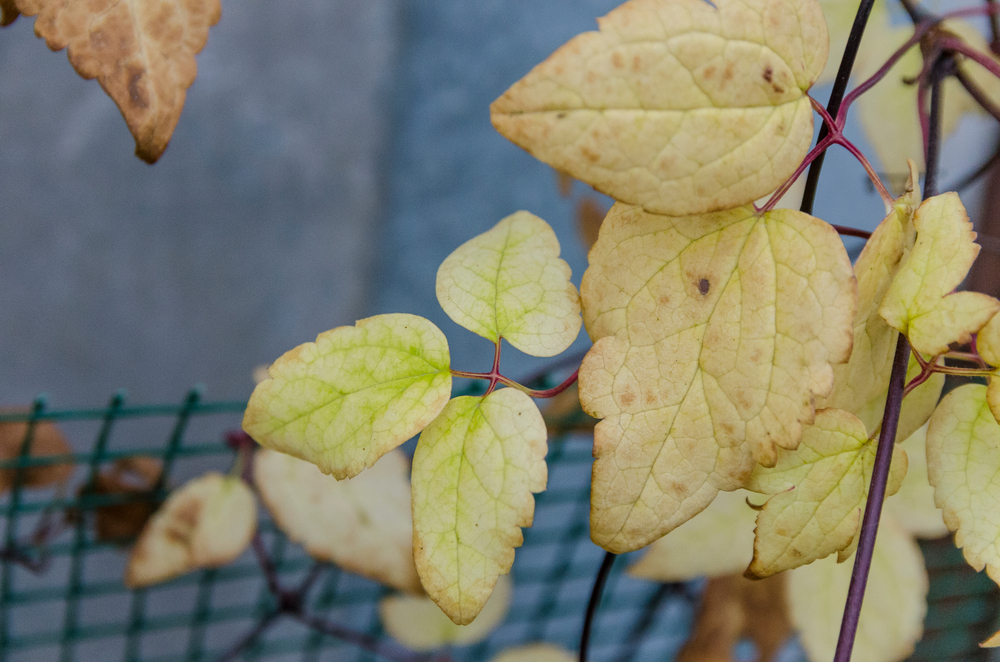
Beyond just diseases, the leaves are usually the first to tell you if your clematis is feeling a bit “off.” These plants are famous for wanting “cold feet and a warm head.” If the top isn’t getting enough sun, the roots aren’t shaded enough, or your watering routine is a bit hit-or-miss, you’ll likely see the foliage start to discolor. Keep those leaves happy, and the blooms will follow!