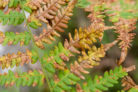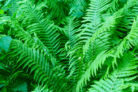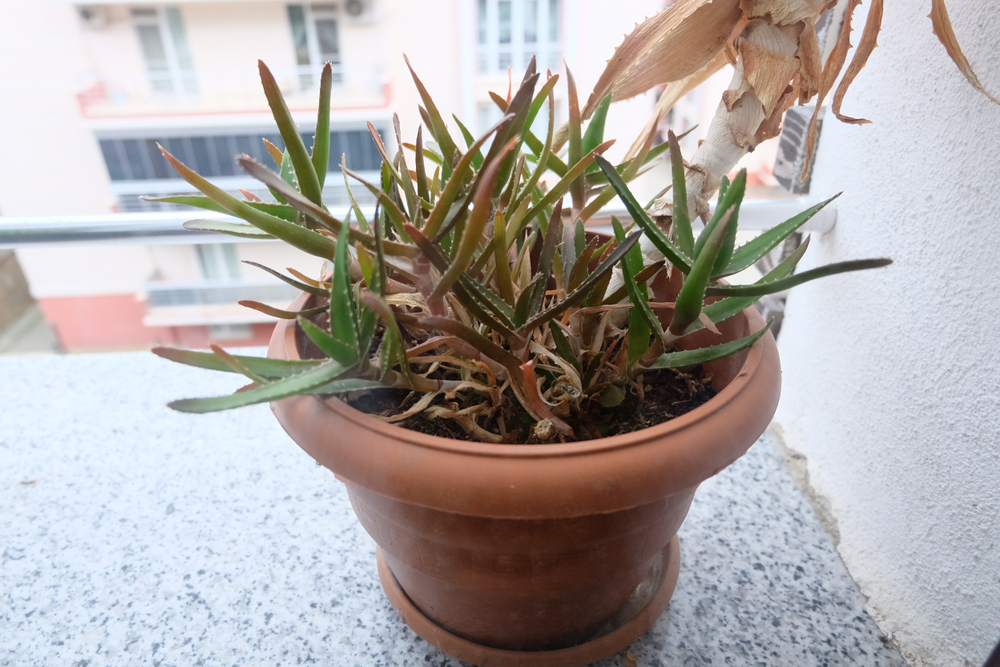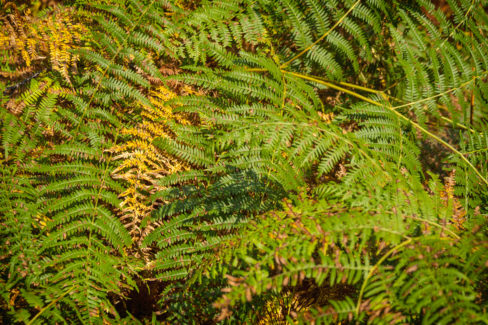
Ferns are some of the toughest plants you can add to your garden. They’re naturally hardy, which means you won’t have to deal with pests or diseases very often. However, if your fern is feeling a bit under the weather, it’ll let you know pretty quickly—usually by turning its lush green fronds brown. If you’re seeing some browning, here are a few things that might be going on.
Is it just the season?
If you have a deciduous fern, seeing brown leaves in the fall is actually totally normal. Unlike evergreen varieties, deciduous ferns naturally die back as the weather cools down. Once the fronds have completely turned brown, you can prune them back in late autumn or simply wait until the following spring to tidy things up.
Thirsty plants
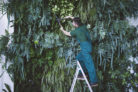
If it’s not autumn and your fern is browning, it’s likely a sign that it’s not getting enough moisture. Check the soil—if it feels bone dry, it’s time to step up your watering game. The trick with ferns is consistency. They love damp soil, but they hate “wet feet” (standing water), so aim for regular, light watering rather than one giant soak.
Hungry for nutrients
Sometimes, those brown tips mean your fern is starving for nutrients. If that’s the case, you might want to use a bit more fertilizer to perk it up. For a long-term fix, try mixing some well-aged compost into the soil next season to give it a natural nutrient boost.
Too much sun
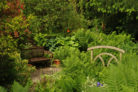
Location is everything! If your fern is in a spot that gets too much direct sunlight, the fronds can actually get sunburned and dry out. In the wild, ferns thrive on the forest floor, so they’ll be happiest in your garden if you keep them in the shade or partial shade.
To recap, if your fern is turning brown, it’s usually due to one of these three culprits:
- The soil is too dry.
- It needs more nutrients.
- It’s getting too much direct sun.