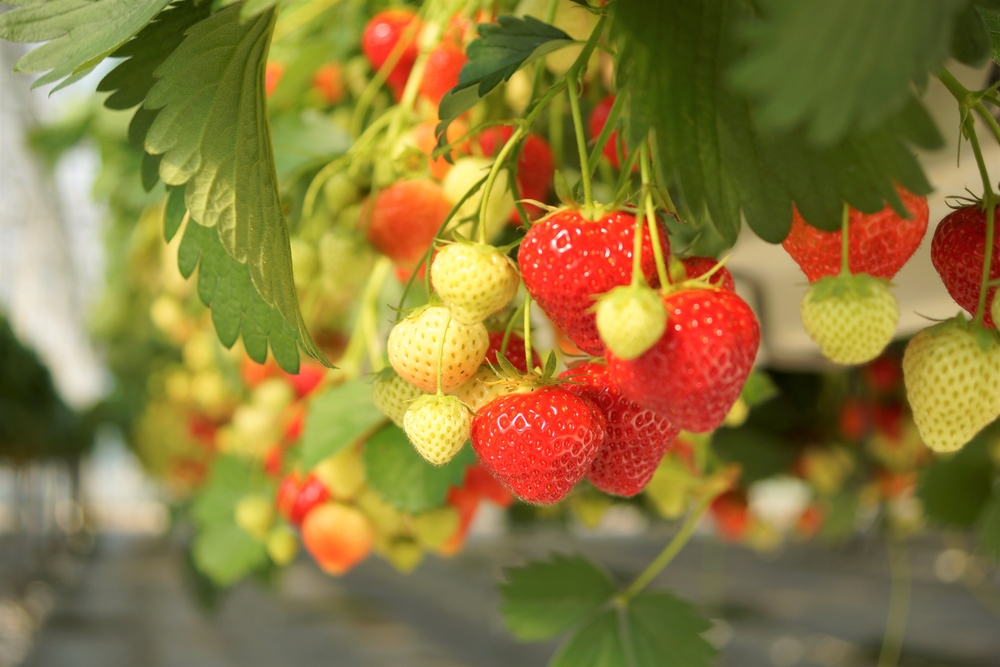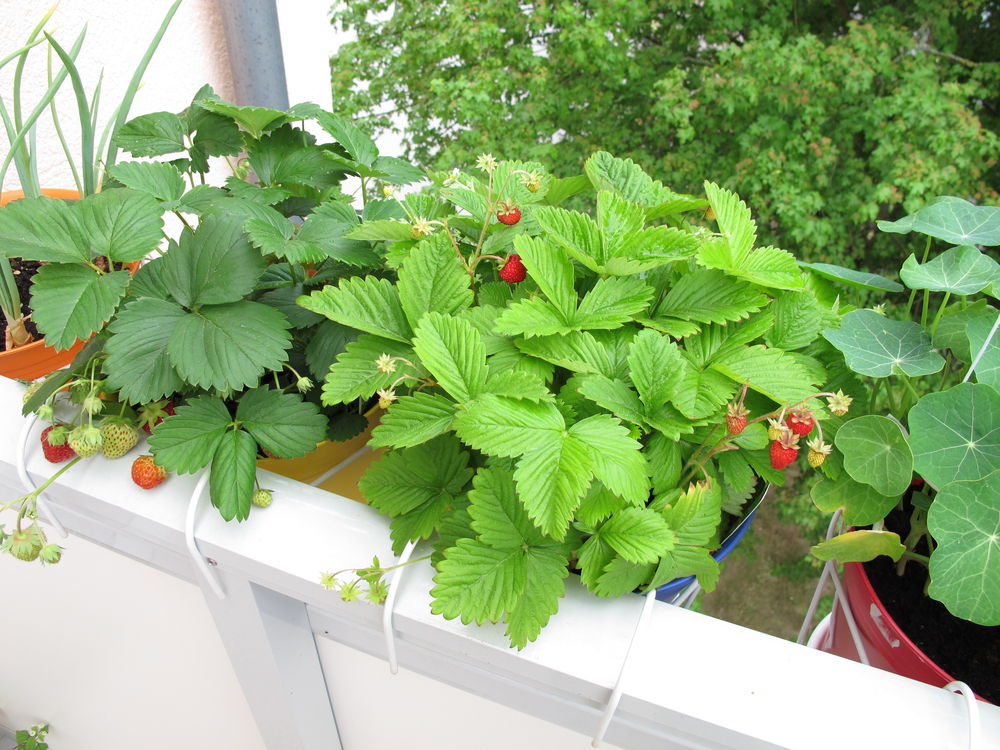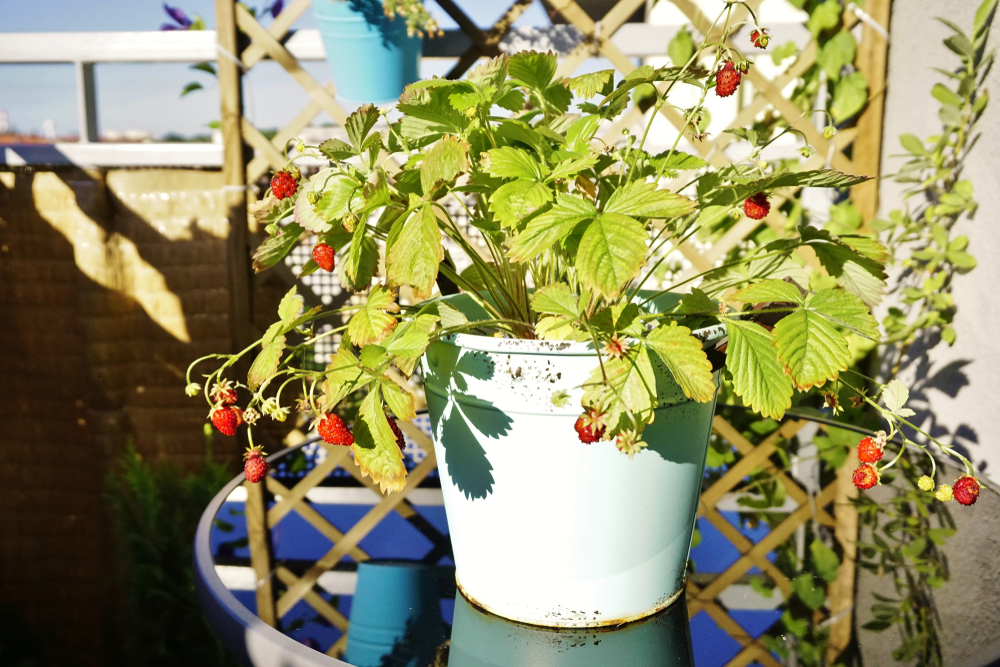
Climbing strawberries are a total game-changer because they meet you right at eye level. That means you can say goodbye to back pain from bending over to harvest or prune! Plus, you don’t even need a dedicated garden plot; these vertical beauties thrive on balconies and patios. Let’s dive into how you can get your own vertical berry patch started.
The Perfect Spot for Climbing Strawberries
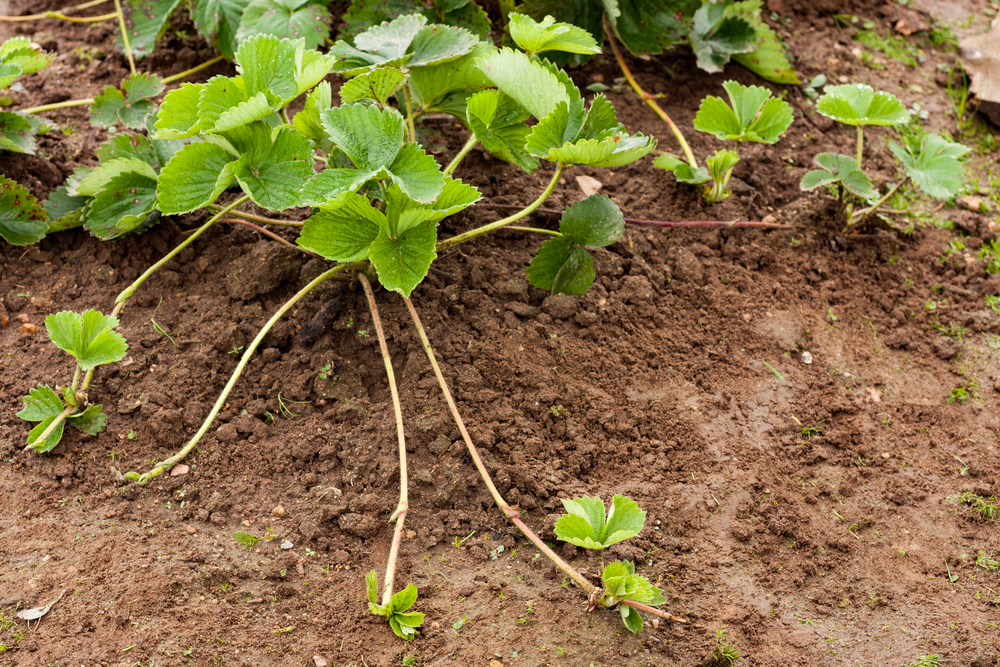
First things first: almost any strawberry variety can be trained to “climb.” While they don’t naturally cling like ivy, they produce long runners that you can easily guide upward. All they really need is a little support to hold onto.
When it comes to the right location, aim for somewhere sunny to partially shaded. Those delicious red berries need plenty of sunlight to develop their signature sweetness. You’ll also want a spot that’s protected from harsh winds but still gets a gentle breeze. Good air circulation is key to drying off leaves after rain or watering, which prevents rot. If you can provide a little overhead cover to protect them from heavy downpours, even better!
Getting the Soil Just Right
Your climbing strawberries will be happiest in soil that is rich in nutrients and organic matter. Make sure the soil is nice and loose; strawberries struggle in heavy, compacted dirt. If you’re planning on keeping your plants for several years, remember the “three-year rule”: rotate your crop or refresh the soil every three to four years, as the ground becomes “tired” and depleted of nutrients over time.
Mix in some high-quality compost and use a premium potting mix for containers. Aim for a pH level between 6 and 7—just slightly acidic. To get the “climbing” action started, simply secure the runners to a trellis, fence, or mesh support as they grow.
How to Plant Your Climbing Strawberries
Preparation is key! You’ll want to prep your soil at least 14 days before planting. This gives the earth time to settle, which helps the roots take hold more easily. Loosen the soil and add your fertilizer two weeks out; then, right before planting, just give it a light turn and smooth it over.
The best times to plant are either in early spring (March to April) or mid-summer (July to August). Before they go into the ground, give the root balls a good soak in water. Dig a hole about twice as wide as the root ball. If you’re planting a row, keep a planting distance of about 12 inches (30 cm) between each plant. Be careful with the depth: the “crown” (that central bud) should sit right at the soil surface. Once they’re in, tie any existing runners to your trellis and give them a generous watering.
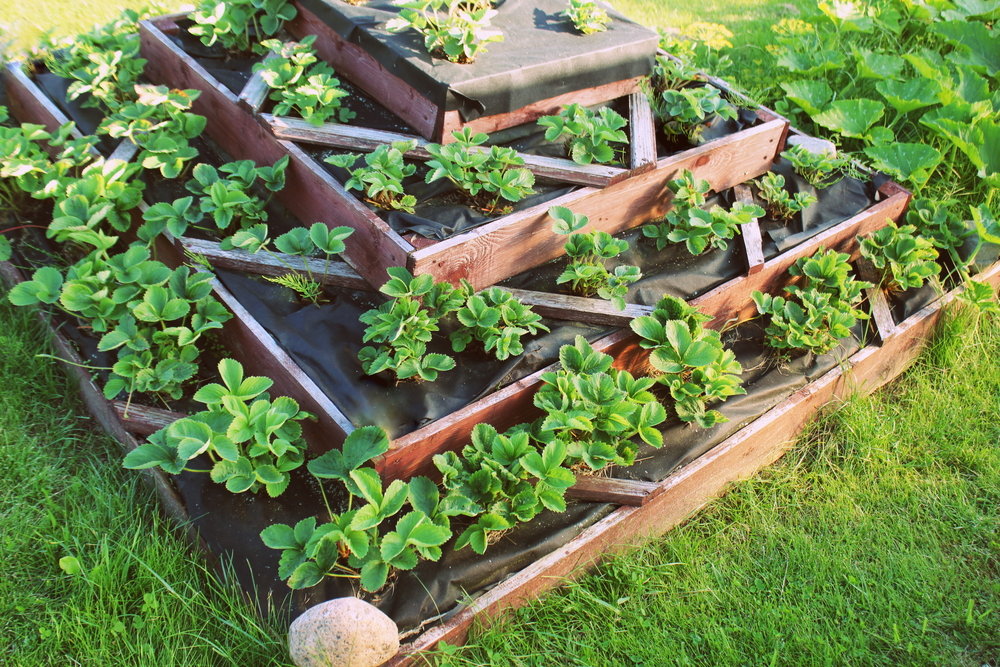
If you’re growing your strawberries in pots or raised beds, don’t forget drainage! Unless your container has plenty of drainage holes, you’ll want to add a layer of gravel at the bottom. Strawberries hate “wet feet,” and standing water is a quick way to damage those delicate roots.