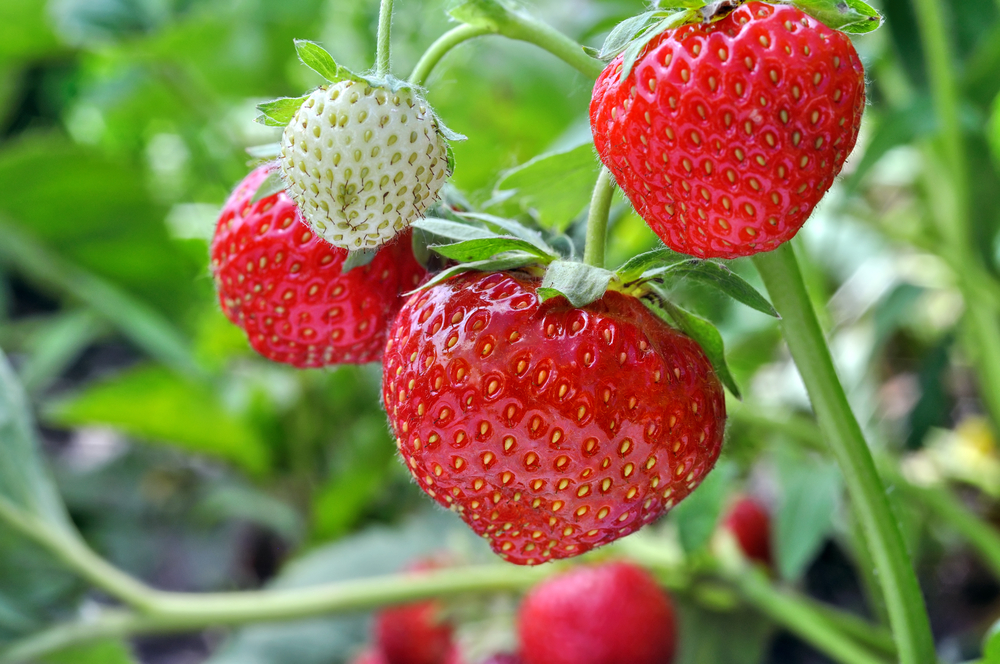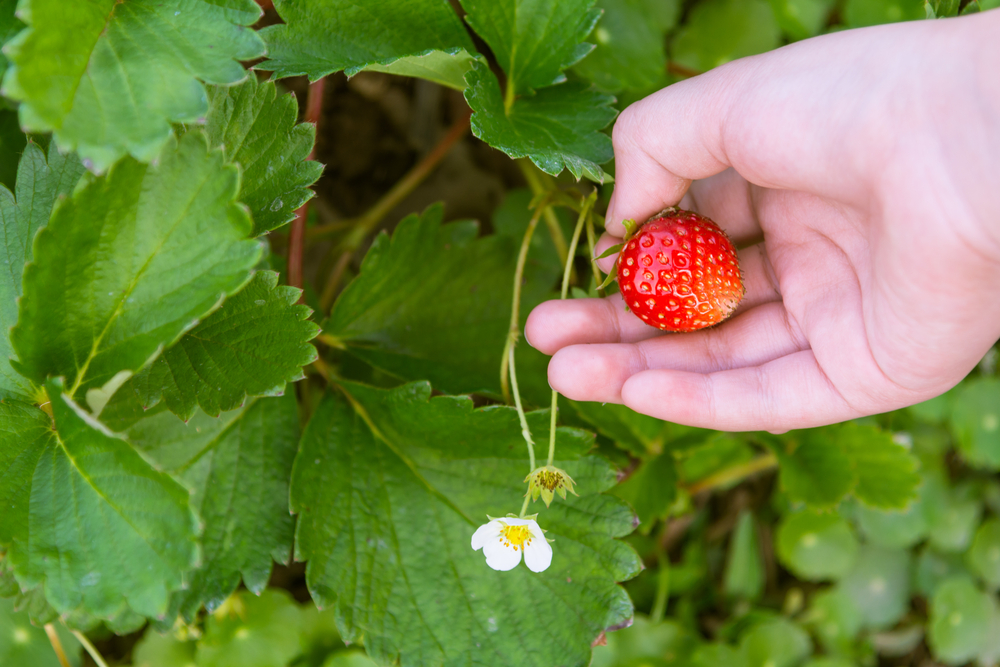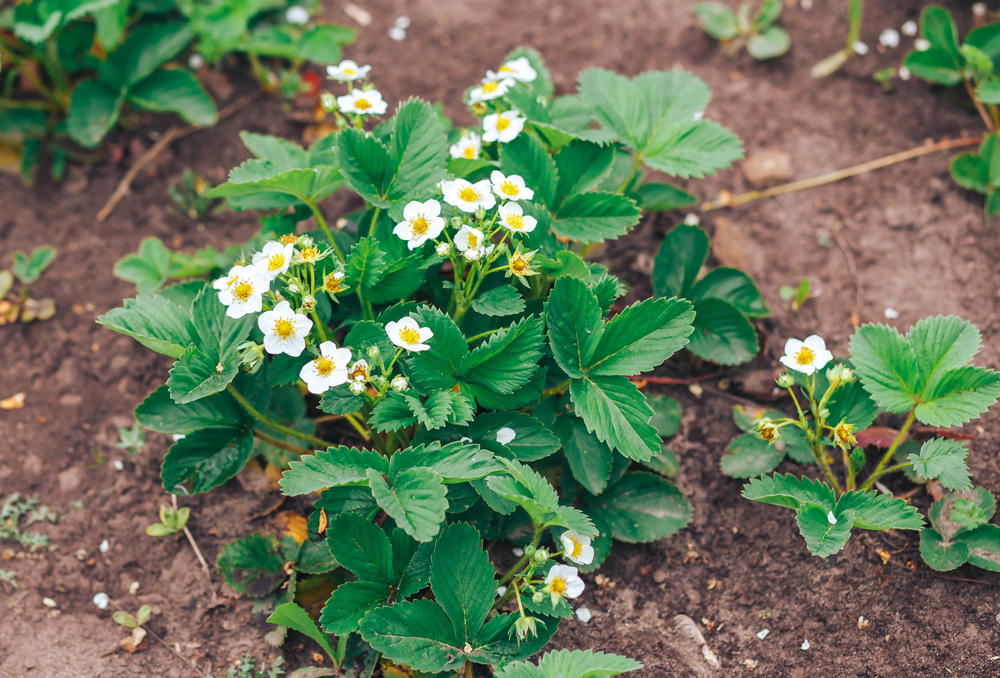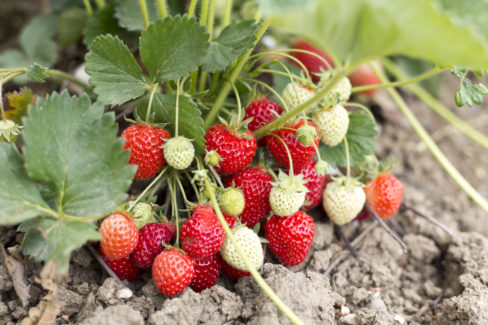
Is there anything better than a sun-ripened strawberry picked straight from the garden? They’re hands-down one of the most popular fruits to grow at home, and for good reason—they taste amazing and they’re packed with vitamins. If you’ve been thinking about starting your own berry patch, you’re in the right place. Here’s everything you need to know to get a head start on a delicious harvest.
Finding the Perfect Spot
If strawberries had a mantra, it would be “more sun, please!” To get that signature honey-sweet flavor, these little red gems need plenty of direct sunlight. When picking a spot for your garden bed, go for full sun. If you’re planning on container gardening, a south-facing balcony or patio is your best bet.
Airflow is another biggie. You want a spot with a gentle breeze so that rainwater dries off the leaves quickly. This is a simple, natural way to keep pests and diseases at bay. Just make sure it’s not *too* windy—you want a light breeze, not a wind tunnel!
Prepping the Soil
Strawberries are a bit like us—they don’t like having “cold feet” (or soggy roots!). They need loose, well-draining soil. If your ground is heavy or compacted, the roots will struggle to grow. Give the area a good tilling before you start, and if your soil feels a bit dense, try mixing in some sand to help with aeration.
You should also know that strawberries are “heavy feeders,” meaning they have a big appetite for nutrients. I recommend enriching your soil with compost and bone meal or horn meal. Pro tip: Prep your soil at least two weeks before planting so the earth has time to settle. If you’re using raised beds or pots, definitely add a drainage layer at the bottom to prevent waterlogging.
Getting Your Plants in the Ground
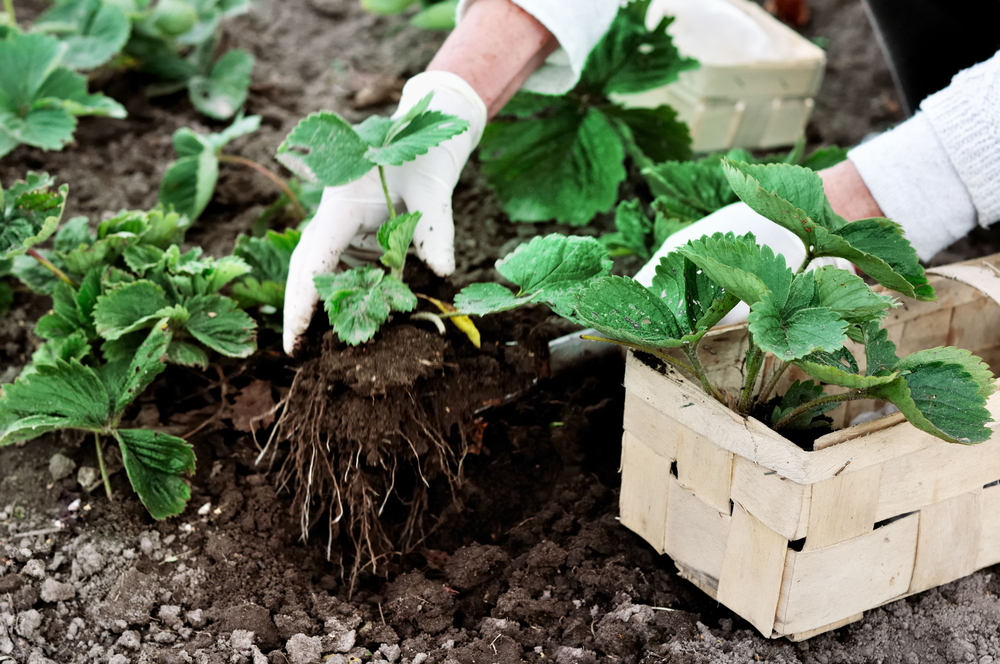
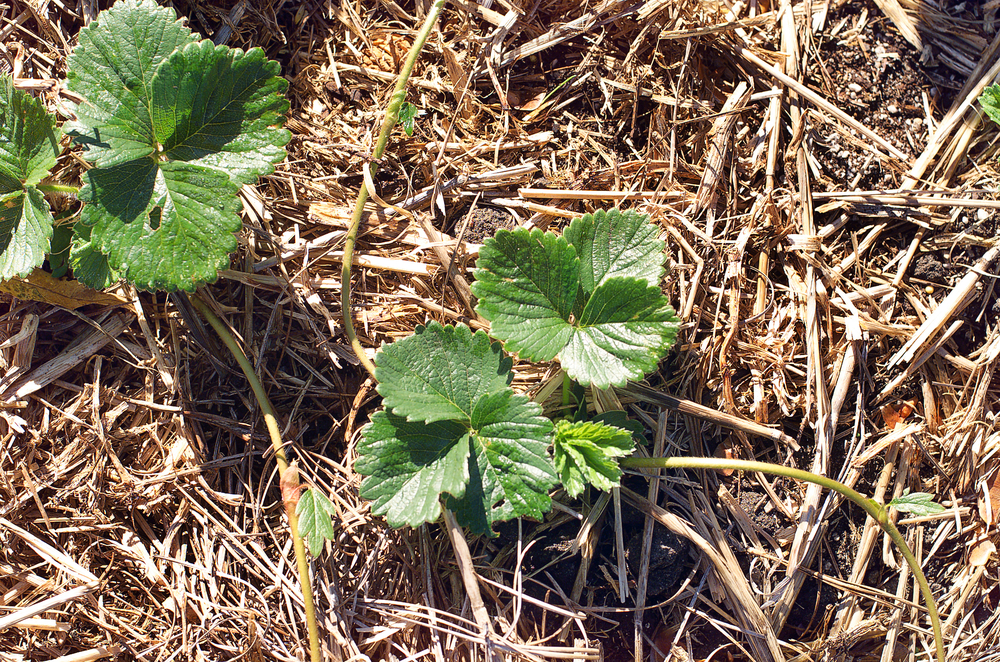
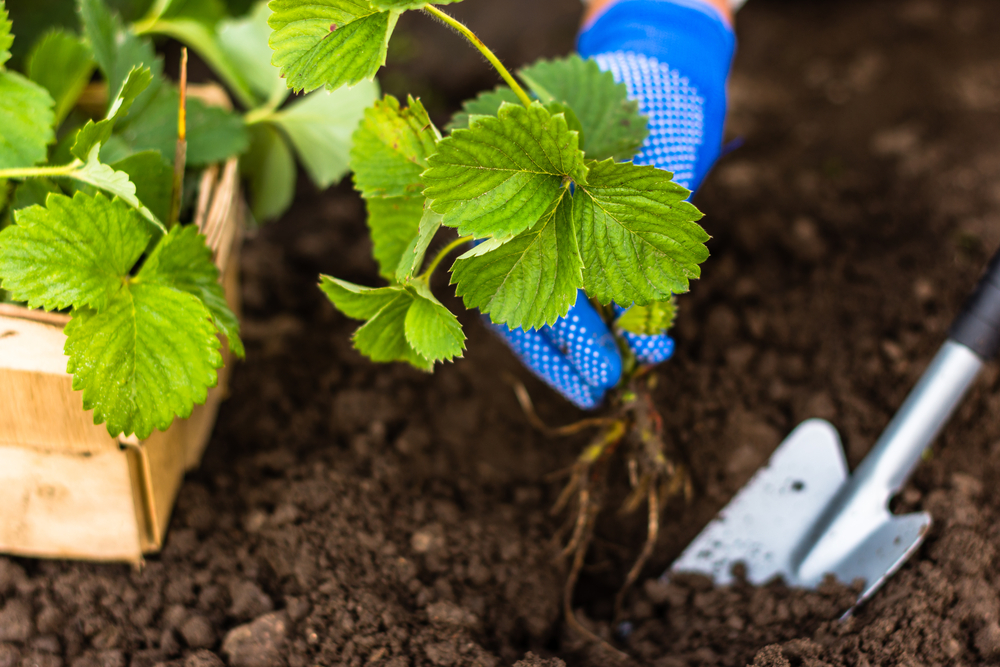
When you’re ready to plant, smooth out the soil with a rake and space your rows about 20 inches (50 cm) apart. Within the rows, give each plant about 12 inches (30 cm) of breathing room. When you set them in the dirt, make sure the “crown” (that central bud) is sitting right at the soil surface—not buried too deep! Finally, mulch the area with straw or bark mulch to keep the berries off the dirt and retain moisture.
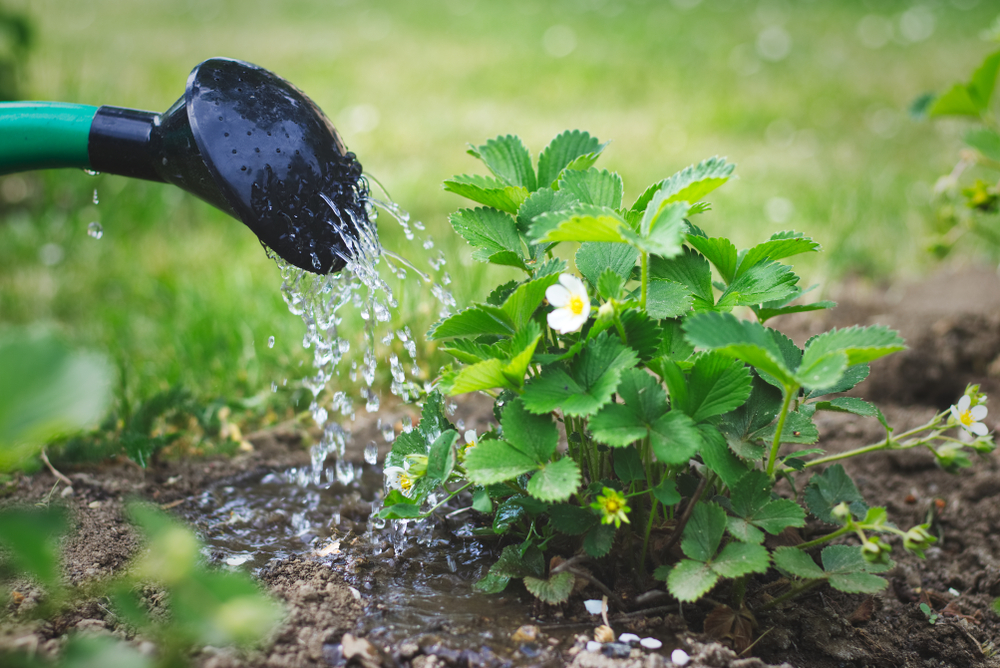
Once they’re in, give them a good soak. You never want those roots to completely dry out. One last thing to keep in mind: strawberries are usually “done” with a specific spot after about four years. By then, they’ve used up the soil’s nutrients, so you’ll want to rotate them to a fresh spot in the garden to keep the harvests coming!