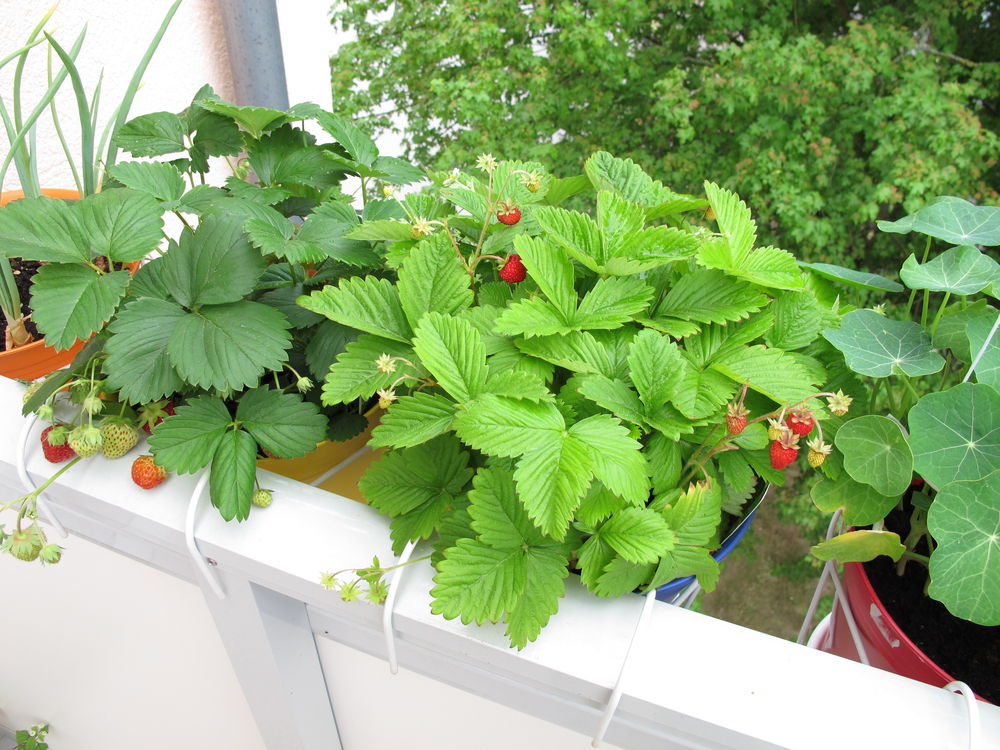
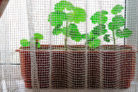
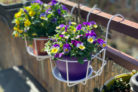
Not everyone is lucky enough to have a huge backyard or a dedicated garden plot for growing fruits and veggies. But don’t let a lack of space stop you! Plenty of delicious treats—especially strawberries—thrive perfectly well in window boxes. Here is everything you need to know to get your own little berry patch started on your balcony or patio.
How to Grow Strawberries in Window Boxes
As long as you give your strawberries the right spot and the soil conditions they crave, they’ll be perfectly happy in a container. Strawberries are “heavy feeders,” meaning they need a lot of nutrients, so having enough soil volume is key. If the pot is too small, they’ll run out of food and water, and you’ll start seeing signs of nutrient deficiency. For the best results, look for a planter or window box with these minimum dimensions:
- At least 7 to 8 inches deep
- About 9 to 10 inches wide
- At least 30 to 40 inches long
To avoid the dreaded “wet feet” (root rot), I highly recommend a self-watering planter with a built-in reservoir. These usually come with a water level indicator, so you always know exactly when your plants are thirsty. At the very least, make sure your box has drainage holes at the bottom so excess water can escape.
What Else Do Your Strawberries Need?
For the sweetest, most aromatic berries, place your window boxes in a sunny spot. Good airflow is also a must—it helps the leaves and fruit dry off quickly after it rains, which prevents mold. When it comes to the soil, strawberries like it nutrient-rich and slightly acidic. I like to mix standard potting soil with a bit of compost and a handful of sand for better texture. Adding a drainage layer (like gravel or clay pebbles) at the bottom of the box is another great way to prevent waterlogging.
When you’re ready to plant, check your specific strawberry variety for spacing, but generally, you’ll want to keep them about 8 to 12 inches apart. Be careful not to bury them too deep! The “crown” (the part where the leaves emerge) should be right at the soil surface. Give them a good drink after planting and add a little mulch, like straw or dried leaves, to keep the soil warm and moist. Keep in mind that some climbing varieties might need a small trellis for support.
When winter rolls around, you don’t have to give up on your plants. Just place the window box on a sheet of Styrofoam to insulate it from the cold ground and cover the roots with some evergreen brush or fleece. Before the first big freeze, trim the plants back, leaving just the center crown intact. They’ll be ready to bounce back come spring!