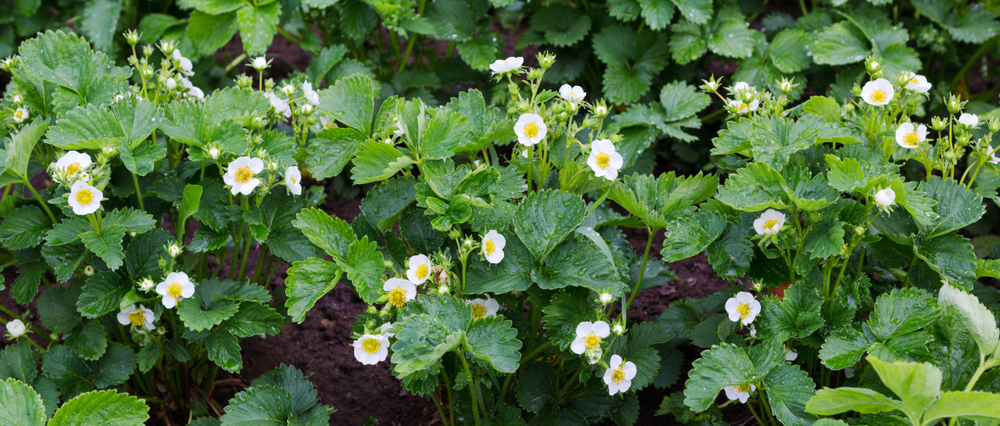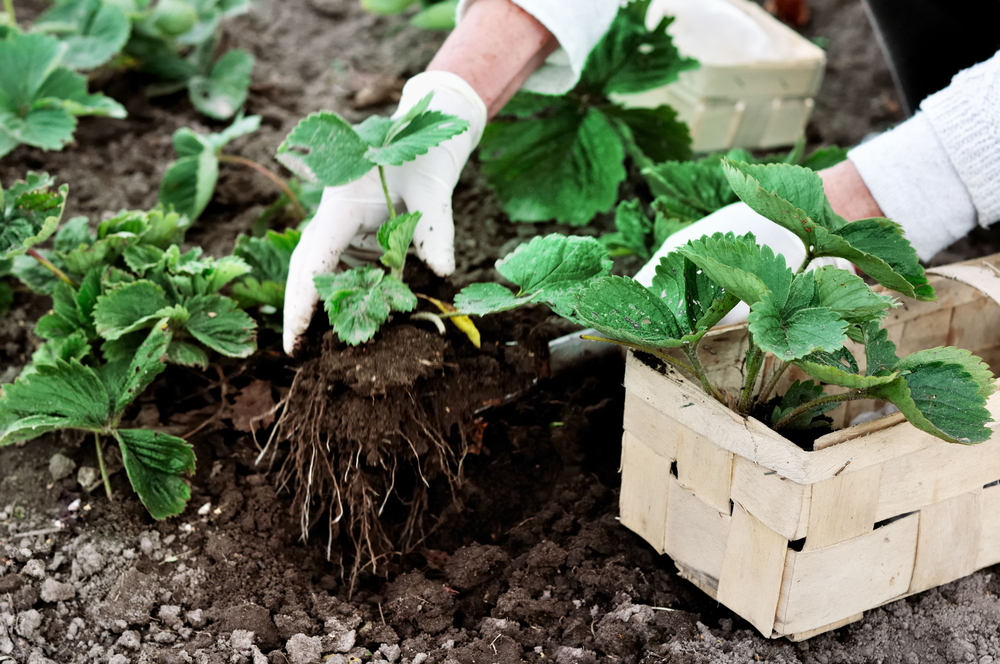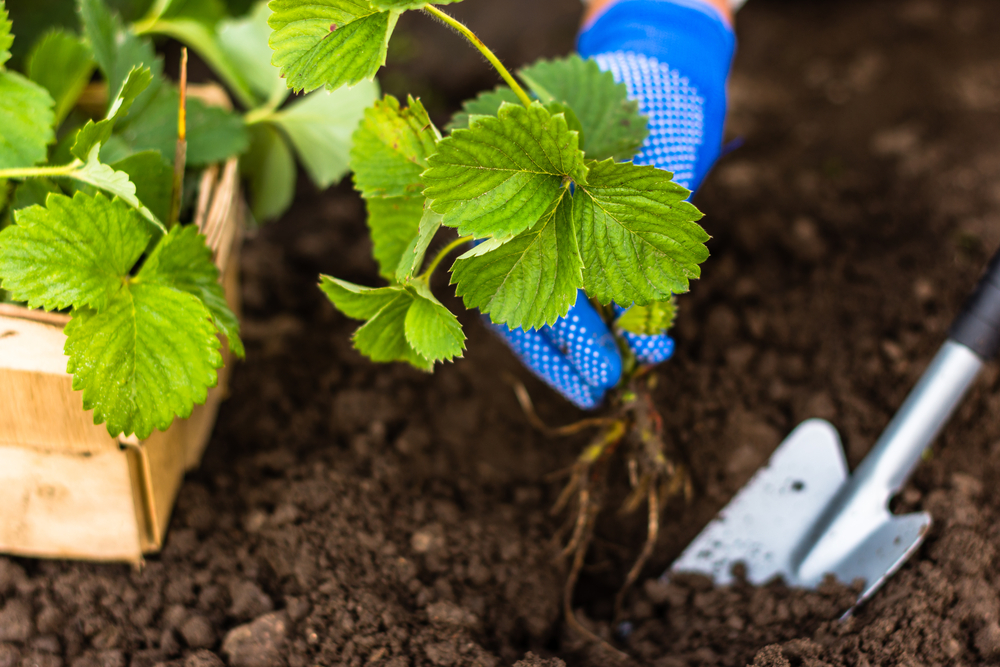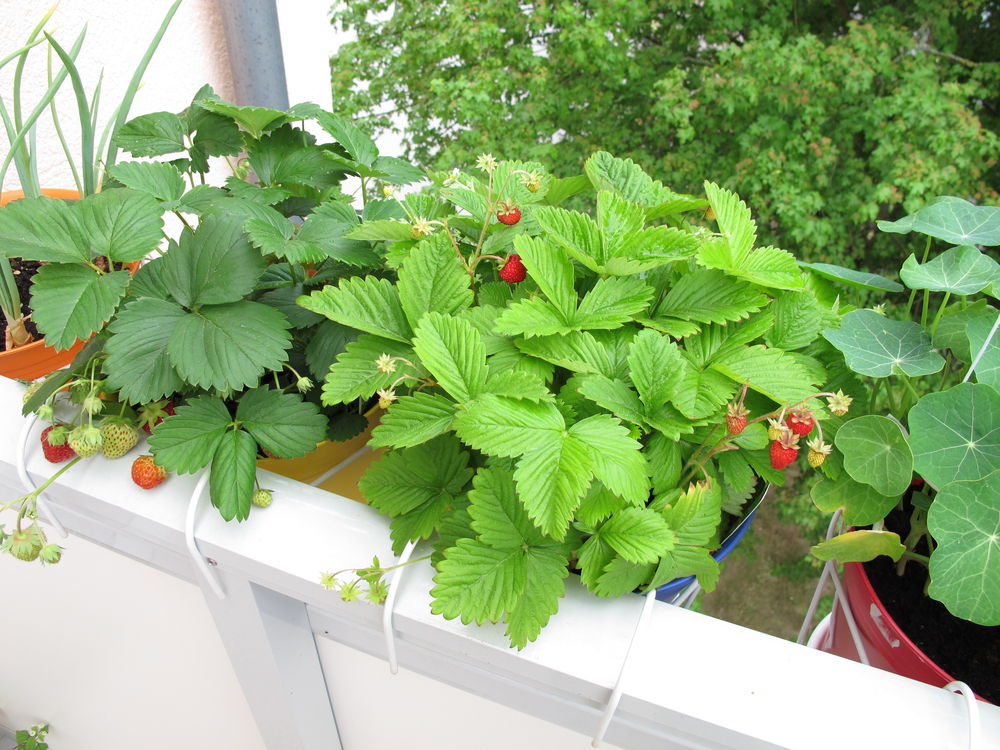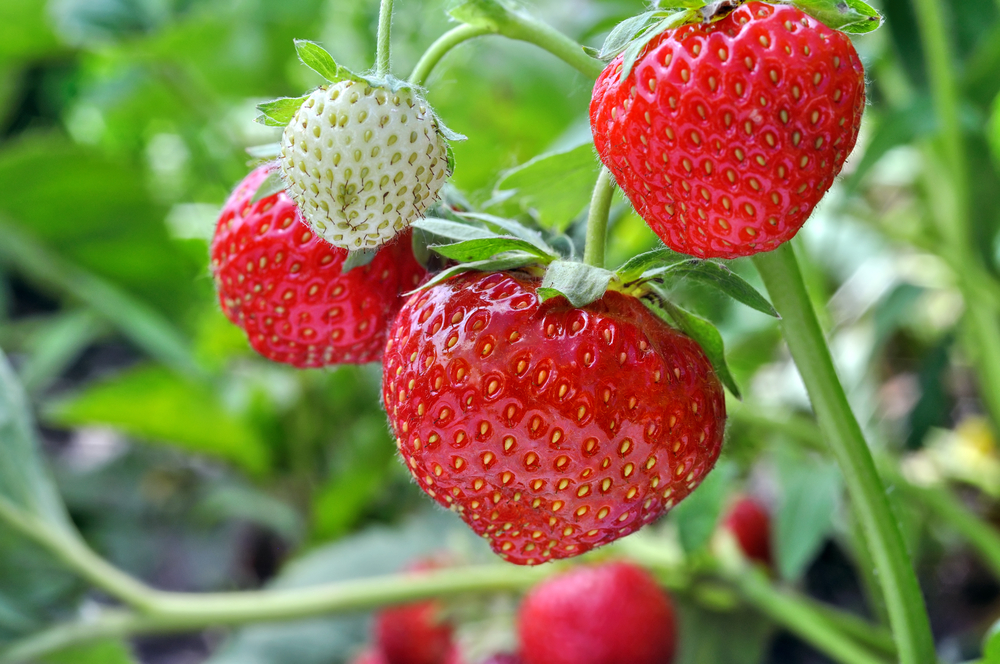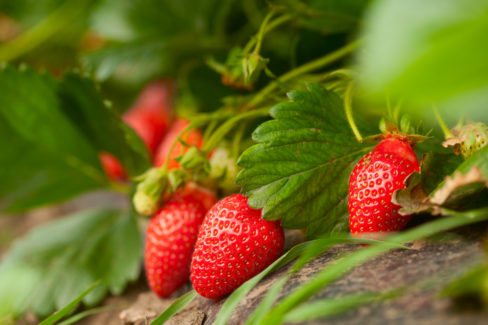
Is there anything better than a harvest of sun-ripened, candy-sweet red strawberries? It’s the dream of every backyard gardener! But let’s be real: getting those perfect berries takes a little bit of know-how. Strawberries can be a bit picky, and they definitely appreciate the right kind of TLC. To help you hit the jackpot this season, I’ve put together a quick guide on everything you need to do.
Mastering Watering and Fertilizing
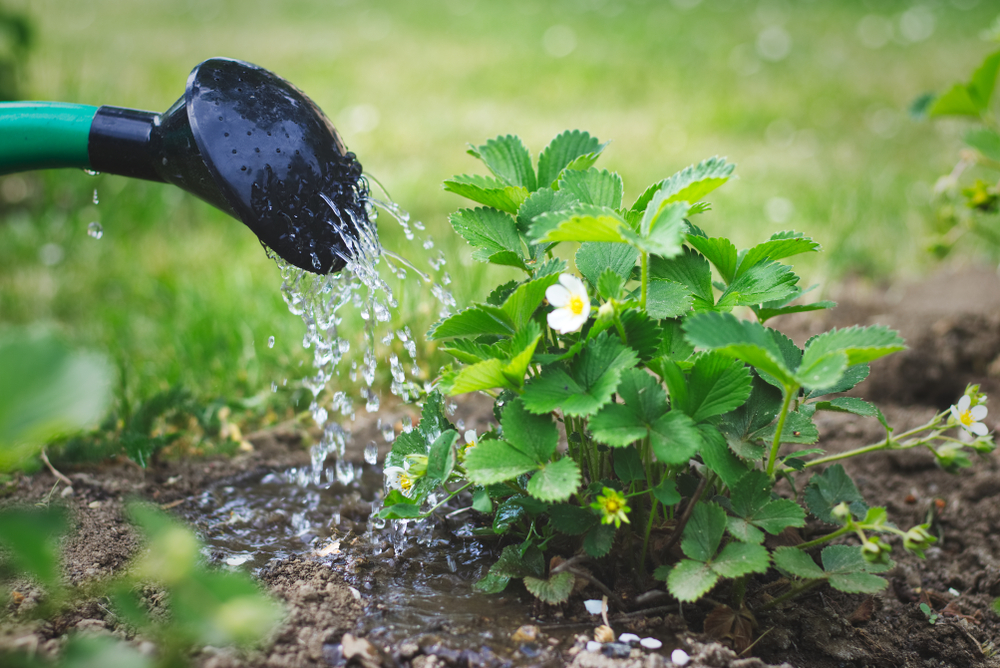
When it comes to watering strawberries, consistency is your best friend. You want to avoid those “rollercoaster” moisture levels—going from bone-dry to soaking wet is a no-go. During those long, hot dry spells, make sure you’re watering regularly. Here’s the pro tip: keep the water off the leaves, flowers, and fruit. Aim your watering can or hose right at the base of the plant. Also, timing is everything! Aim for early morning or late evening. Watering in the heat of the midday sun is pretty much a waste of time.
Since the berries grow so close to the ground, they can get pretty messy or even start to rot if they’re sitting in damp dirt. That’s where a good layer of mulch comes in. It acts as a clean “blanket” between the soil and your precious fruit. You don’t need to buy expensive plastic liners from the big-box stores; just use what nature provides! Great options include:
- Straw
- Hay
- Pine needles
- Bark mulch
Strawberries are “heavy feeders,” meaning they have a big appetite for nutrients. If you’ve already got rich, loamy soil, you usually only need to fertilize once before planting, and maybe one quick boost during the season.
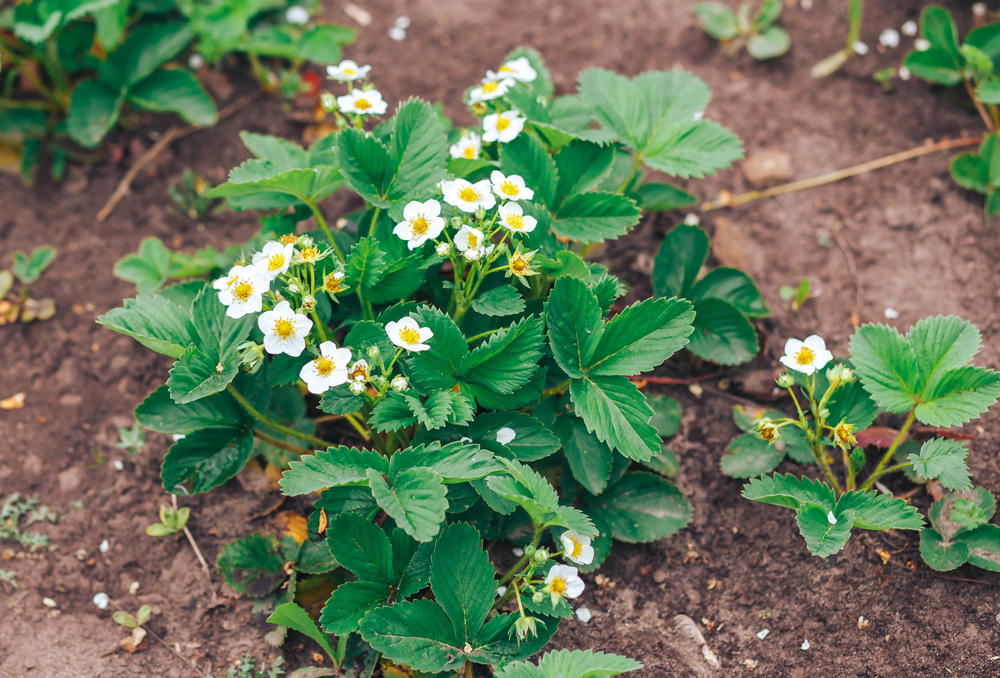
The best thing you can give them? A generous helping of organic compost. I’d recommend staying away from harsh chemical fertilizers—after all, you’re going to be eating these berries! If your soil is on the sandy or poor side, definitely give them some extra nutrients right before they start blooming.
Pruning and Winter Protection
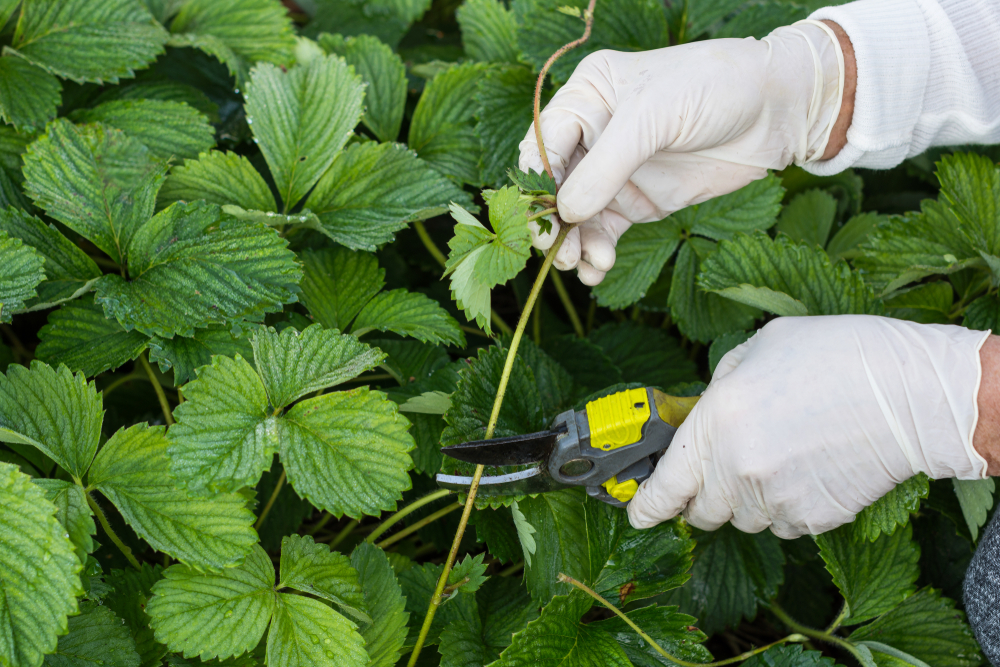
Once the harvest is over, it’s time for a little haircut. By the time autumn rolls around and the air gets chilly, any remaining green berries won’t ripen anyway, so don’t be afraid to snip them off. If you’re growing a few different varieties, you can just wait until the very last plant is done producing and do all your pruning at once. Just be sure to cut the foliage back but leave the “crown” (that center bud) intact so the plant can prep for next year.
In the spring, keep an eye on the weather forecast. Late-night frosts can be a real buzzkill for new growth. If a freeze is coming, cover your plants with some garden fleece or a row cover. Your mulch should keep the roots cozy enough, but the tops need protection. If you aren’t growing a massive patch, you could even keep them in a greenhouse. There are even portable “pop-up” greenhouses you can set right over your garden bed—a great investment if you’re looking to take your strawberry game to the next level!