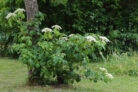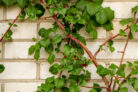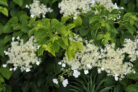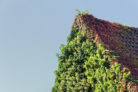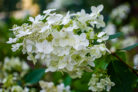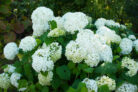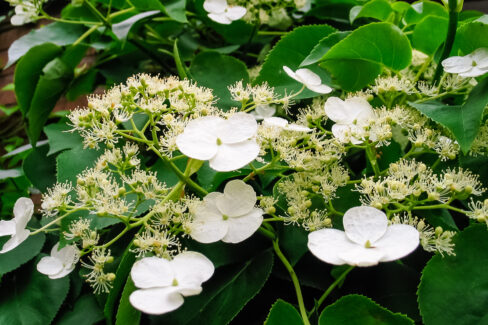
With their lush green vines and stunning creamy-white blooms, climbing hydrangeas are a total game-changer for dressing up house walls and garden fences. But here’s a pro tip: you don’t need a huge yard to enjoy them! These easy-going beauties actually do great in containers, making them perfect for patios or balconies.
Growing Climbing Hydrangeas in Pots: Getting Started
When picking out a pot for your climbing hydrangea, think big. Honestly, with these plants, there’s no such thing as a pot that’s “too large.” You’ll want something that holds at least 4 to 8 gallons (15–30 liters) to give those roots room to breathe. I also recommend choosing a light-colored container; it helps reflect sunlight and keeps the root system from overheating on those scorching summer days.
Drainage is another biggie. Make sure your pot has plenty of holes at the bottom so excess rain or hose water can escape. Climbing hydrangeas absolutely hate “wet feet” (standing water), which can quickly lead to leaf diseases or root rot.
Step-by-Step Planting Guide
Ready to get your hydrangea settled? Follow these steps to give it the best start in its new home:
- Start with a layer of coarse material (like perlite or gravel) at the bottom of the pot to boost drainage.
- Lay down a piece of water-permeable landscape fabric over that drainage layer.
- Mix some high-quality potting soil with a bit of acidic “ericaceous” soil (like rhododendron mix) and a handful of mature compost.
- Fill the pot about halfway with this soil blend.
- Place the hydrangea’s root ball into the container.
- Fill in the rest of the soil, making sure to gently pack it down so there aren’t any air pockets left behind.
- Give the plant a good press to secure it and water it generously.
- Carefully attach the young shoots to your trellis or support system.
A little heads-up: When you’re tying the vines to the support, don’t pull the twine too tight! You don’t want to accidentally choke or damage the delicate stems.
Choosing the Right Support
If you’re looking to create a natural privacy screen on your balcony, you’ll need a solid support system for those vines to climb. Wire rope systems or mesh netting work wonders for creating a “living wall.” Classic wooden or metal trellises are also fantastic choices, and even simple wire frames do the trick.
Extra Tip: If you want to add a bit of “wow” factor to your garden decor, try using a cast-iron obelisk or a garden pyramid. Watching your hydrangea wrap itself around a decorative structure like that is absolutely stunning!