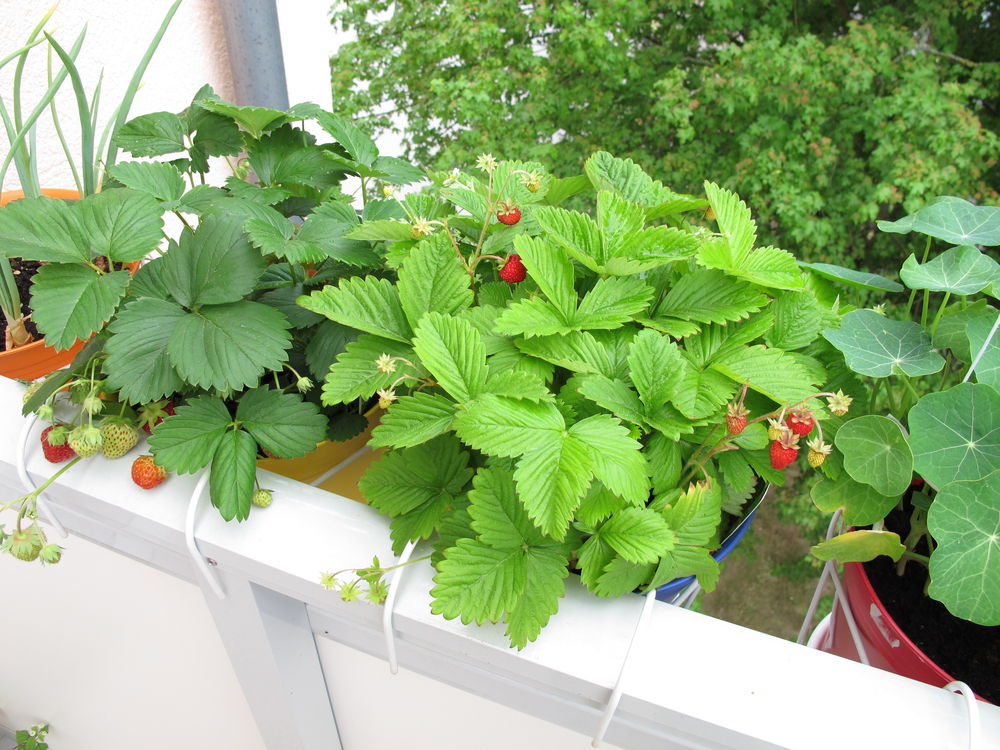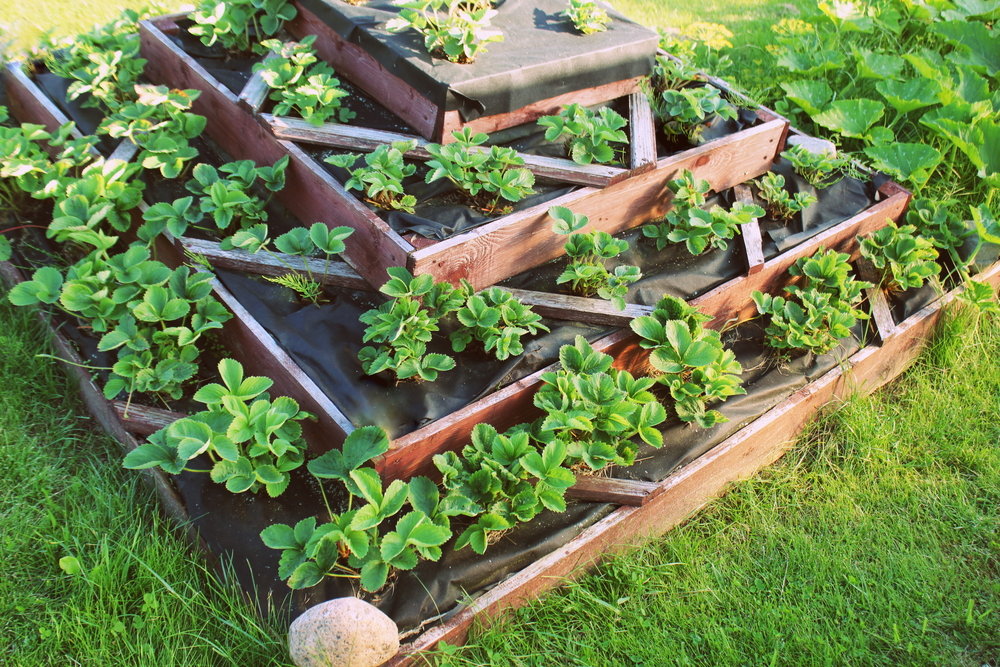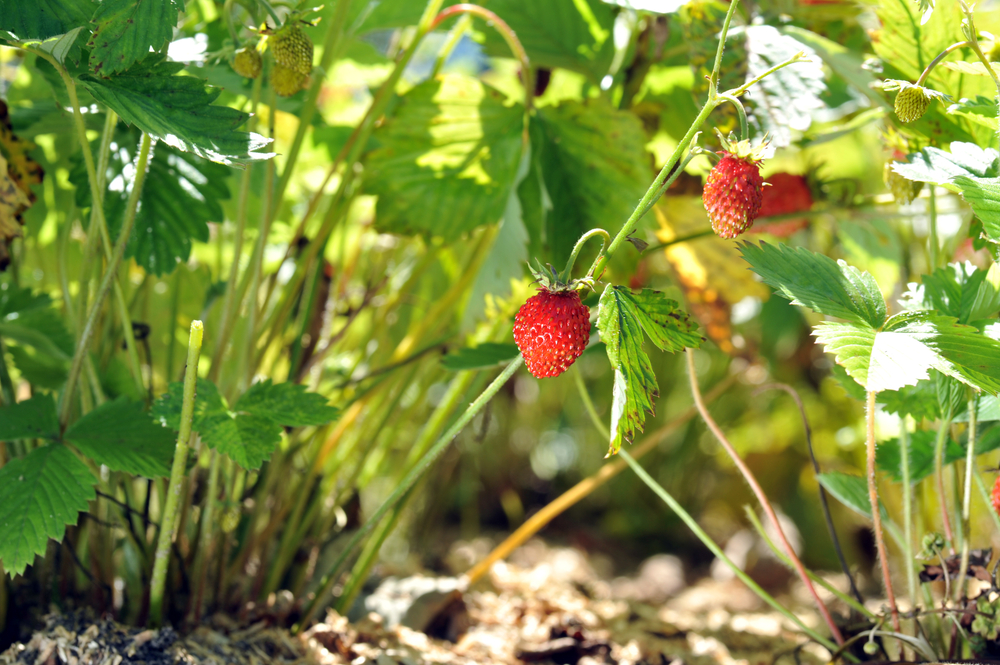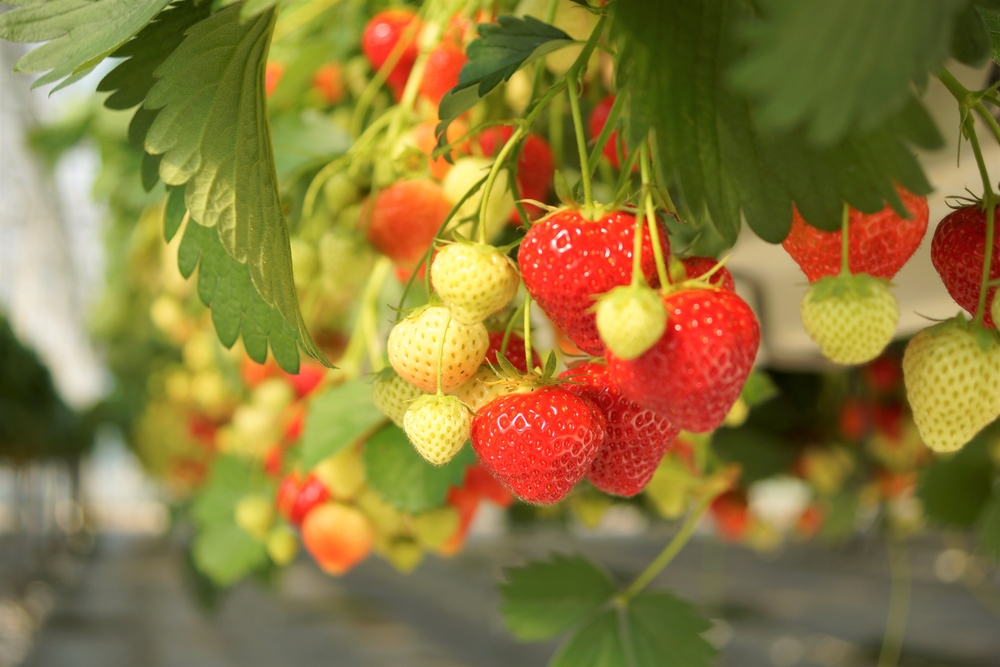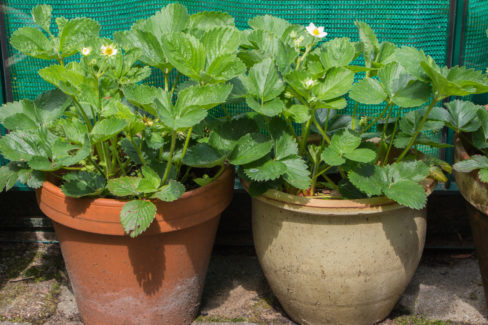
Have you been dreaming of picking fresh, sun-ripened strawberries right from your own garden, but feel like you’re held back by a lack of yard space? Well, I’ve got great news: you don’t need a huge plot of land to enjoy a harvest! Strawberries actually do fantastic in pots, as long as you follow a few simple rules of thumb.
Location and Soil: Getting the Basics Right
Strawberries are perfectly happy in containers, provided they get the right “real estate.” They are sun-lovers, so you’ll want a spot that’s warm, bright, and has good airflow. Ideally, try to find a place that’s protected from heavy rain. Why? Because strawberries prefer to be watered from the bottom—directly at the roots. Getting too much water on the leaves, flowers, and fruit can lead to rot or disease. While they like a breeze to keep things fresh, try to avoid putting them in a total wind tunnel.
When it comes to soil, a high-quality potting mix works just fine, but I highly recommend mixing in some compost. Strawberries are “heavy feeders,” meaning they have a big appetite for nutrients. Any standard planter will do, but make sure it has drainage holes at the bottom. If there’s one thing strawberries absolutely hate, it’s “wet feet” (standing water).
How to Plant Your Strawberries Like a Pro
Depending on the variety, you’ll usually want to get your strawberries in their pots during the spring. Late March to early April is typically the sweet spot for planting. Your local garden center should have a great selection of strawberry varieties that are perfect for container gardening. Even if your pot has drainage holes, I always suggest adding a drainage layer at the bottom just to be safe. This ensures your roots never sit in stagnant water.
For that drainage layer, you can use gravel, small twigs, or even broken pottery shards. Top that with your prepared soil, but remember to leave a little space at the top (a “watering rim”) so the dirt doesn’t wash out every time you water. Dig a hole about twice the size of the root ball and set the plant in. Here’s the golden rule: make sure the “crown” (that little nub where the leaves emerge) is sitting just above the soil line. Give them a good soak right away, and keep the soil consistently moist over the next few weeks.
One last tip: keep an eye on those overnight frosts! A sudden freeze can ruin your hard work. If the temperature drops, cover your plants with garden fleece or a light tarp. A nice layer of mulch can also help protect the roots from freezing. Just remember to uncover them during the day so they don’t overheat and can get plenty of fresh air.