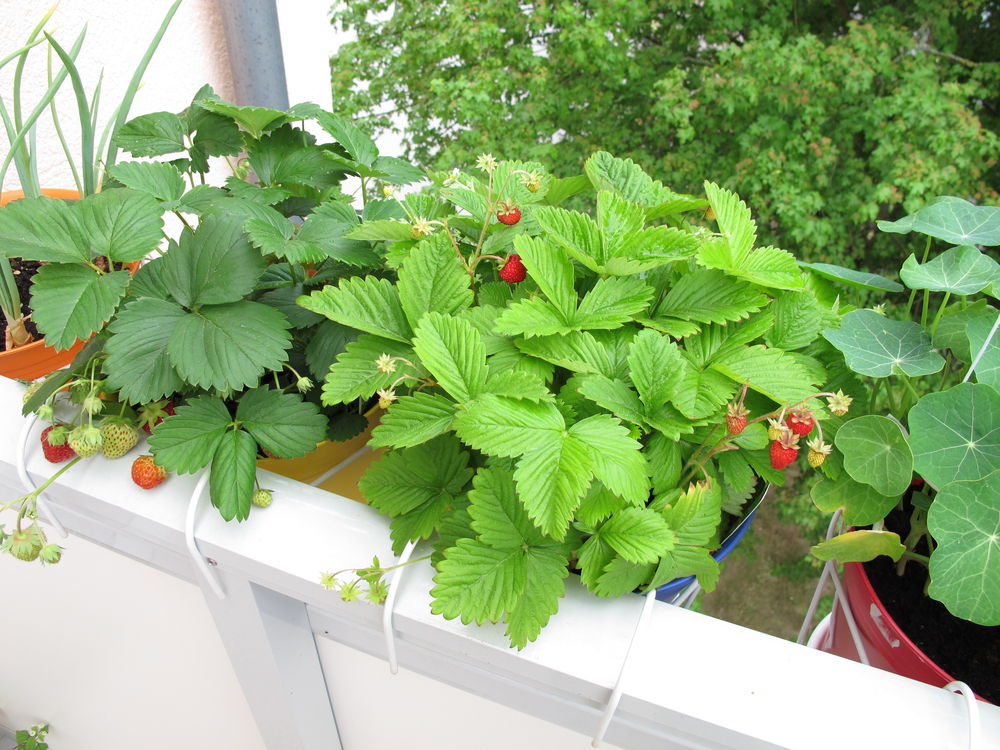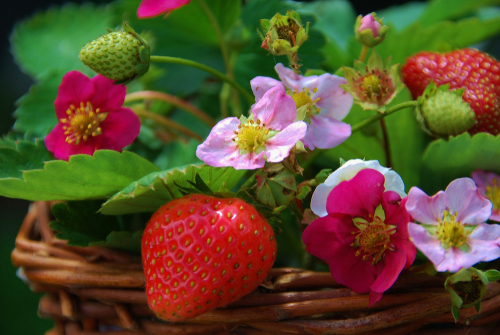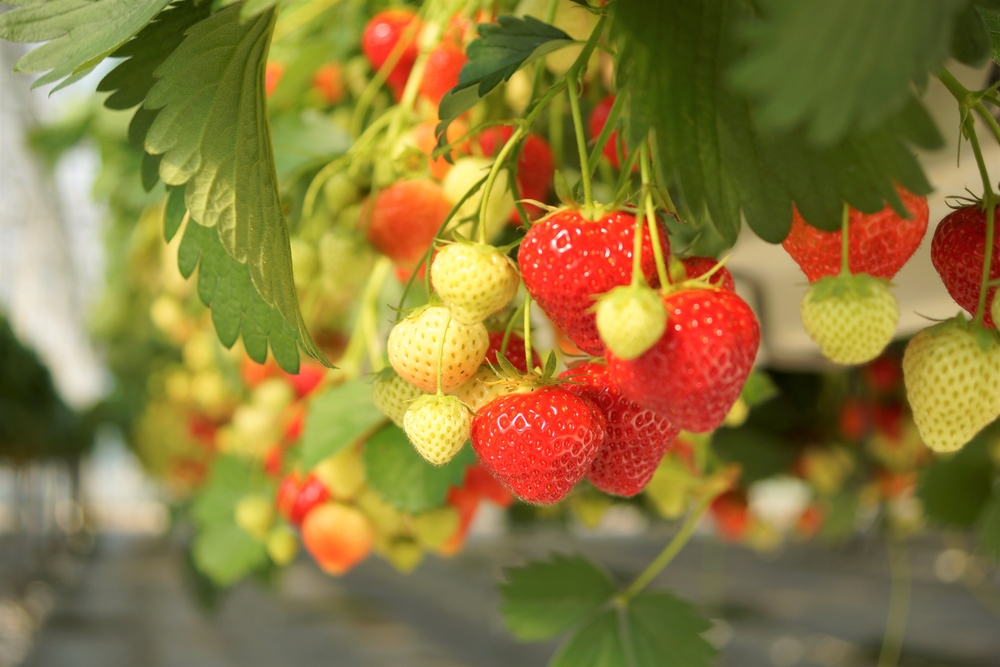
If you’ve been dreaming of picking sun-ripened strawberries but don’t have a huge backyard, I have great news for you: you don’t actually need a garden bed to enjoy a massive harvest! Hanging strawberry varieties are perfect for balconies or patios, and they are surprisingly high-yielding. Here is everything you need to know to get started with your own vertical berry patch.
What’s So Great About Hanging Strawberries?
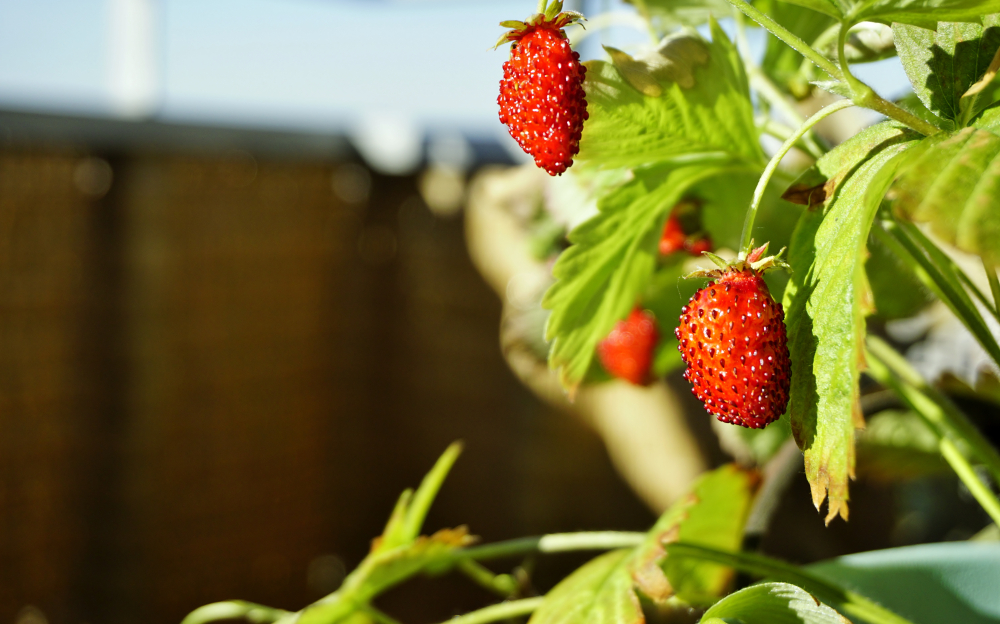
First off, let’s talk flavor. Hanging strawberries are every bit as sweet and juicy as the ones grown in traditional garden rows. Plus, they’re a total superfood—packed with Vitamin C, folate, calcium, and magnesium.
But the real perk? It’s all about convenience. Imagine sitting on your balcony and having delicious red berries growing right at arm’s length. No more bending over or crawling around on your knees to find the ripe ones; these beauties meet you right at eye level. Because they grow vertically, they take up way less space than a garden bed. Even better, since the fruit never touches the soil, your berries stay cleaner and are much less likely to rot or get eaten by slugs.
Choosing the Right Varieties
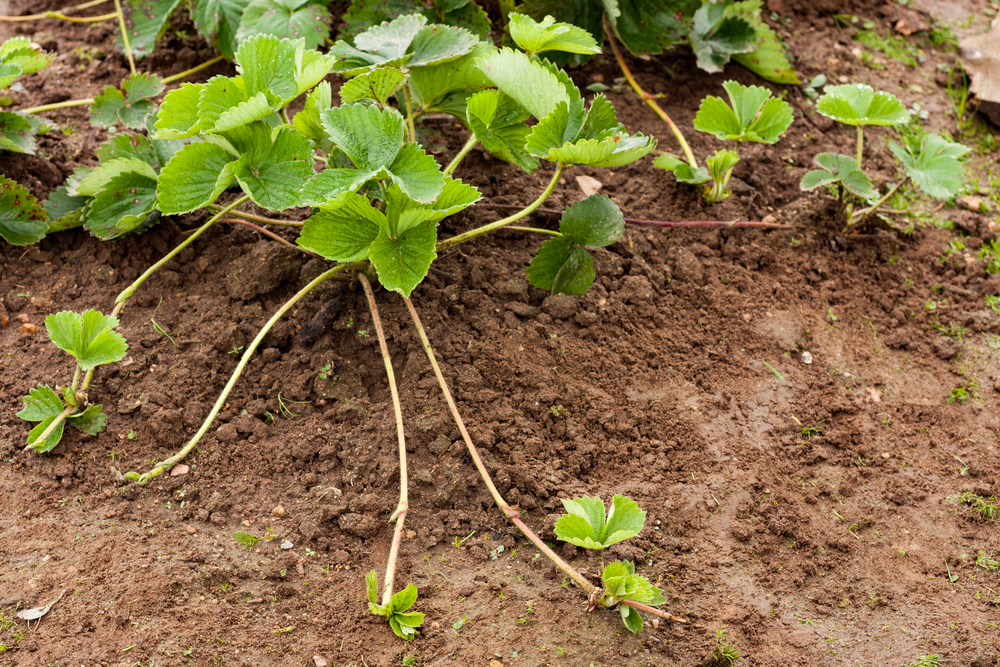
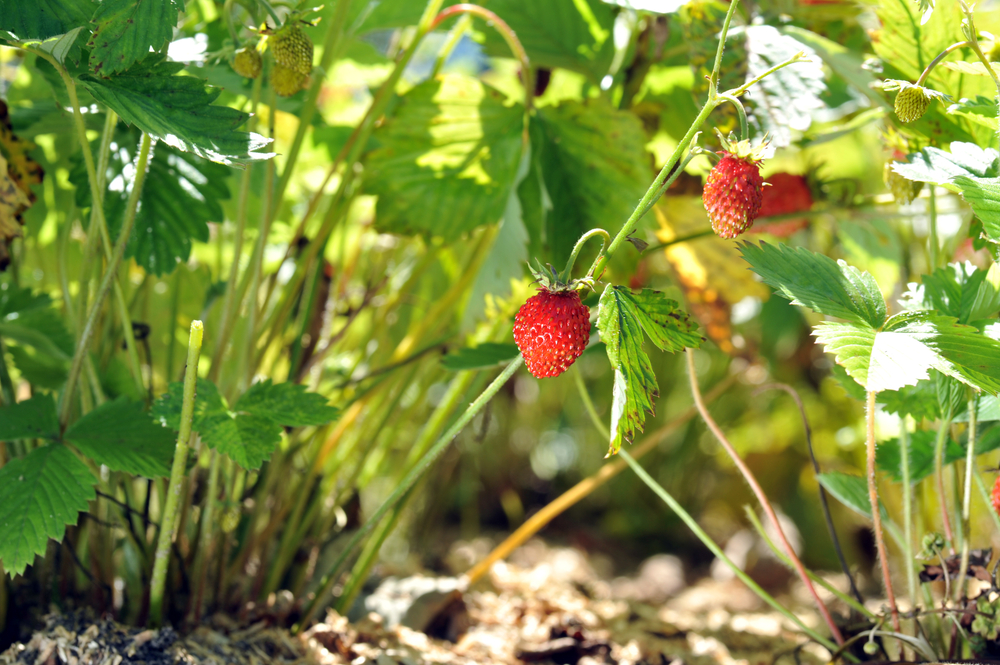
You’ll often see these labeled as hanging or climbing strawberries. These plants produce long runners (offshoots) where the fruit develops. You can either let them drape elegantly over the side of a pot or tie them up to a trellis or support. Fun fact: there isn’t technically a specific “hanging species”—it’s really just certain varieties that have a growth habit that works perfectly for this style.
When you’re looking for the right varieties, the secret isn’t just the long runners (most strawberries do that anyway). The key is finding a plant that can thrive in a container with a limited amount of soil. Your standard garden-variety strawberry usually won’t be happy in a small pot.
Instead, look for smaller-growing varieties like alpine or “everbearing” strawberries. Some of my personal favorites for hanging baskets include:
- Diamant
- Mignonette
- Merosa
- Hummi
How to Plant Your Hanging Strawberries
For the best results, prep your pots or hanging baskets a few days before you plan to plant so the soil has time to settle. A standard high-quality potting mix enriched with some compost or organic fertilizer (like horn meal) works wonders. Just make sure your container has excellent drainage—strawberries absolutely hate “wet feet” (standing water).
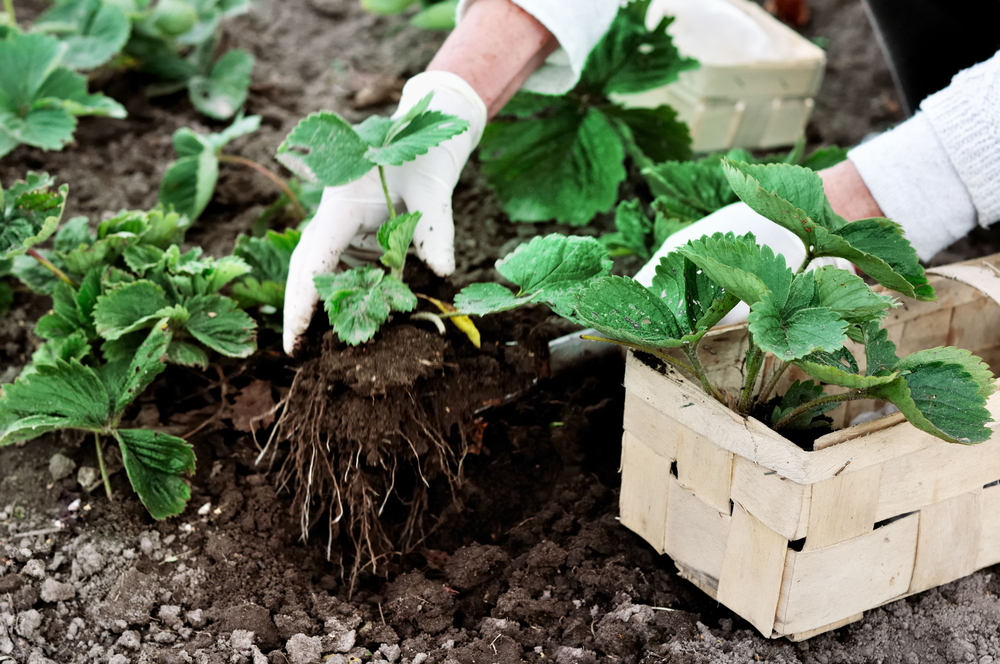
When you’re ready to plant, dig a hole about twice the size of the root ball. Set the plant in so that the “crown” (the central bud where the leaves emerge) is right at the soil surface—don’t bury it too deep! Give them a good soak immediately after planting. If you’re using a window box, space them about 10 inches apart. For a standard hanging basket, you can usually fit up to four plants for a nice, full look.