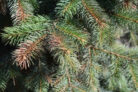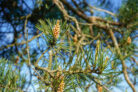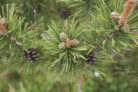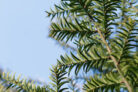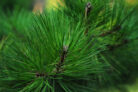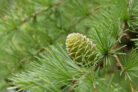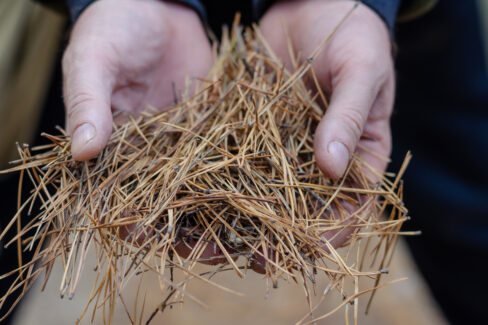
Even though most conifers are evergreens that keep their lush look all through the winter, seeing a few needles on the ground isn’t usually a reason to panic. However, if your tree suddenly starts dropping needles by the handful, it’s time to play detective. There are a few common culprits that might be causing the stress.
Conifers are Evergreen (Mostly!)
The vast majority of conifers are evergreen, meaning they keep their needles year-round rather than dropping them in the fall like maples or oaks. This is why we love them—they keep the garden looking lively even in the dead of winter.
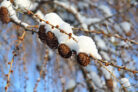
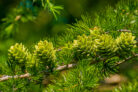
There is one major exception to the rule, though: the Larch. Larch needles actually turn a beautiful golden yellow in the fall before dropping off completely for the winter. If you have a Larch, don’t worry—it’s just doing its thing!
Why is My Conifer Dropping Needles?
Even though they are “evergreen,” these trees do occasionally shed older needles to make room for fresh new growth. This is a totally natural cycle, and because it happens gradually and in small amounts, you might not even notice it most of the time.
But if your tree is suddenly looking thin or losing a massive amount of needles, one of these issues is likely to blame:
- Prolonged drought
- Waterlogging (soggy feet)
- Improper fertilizing
- Pests or diseases
Long Dry Spells
When things get too dry for too long, conifers will drop needles because they simply can’t keep them hydrated. Believe it or not, “dry frost” combined with bright winter sunshine can also cause this. Keep a close eye on your potted evergreens especially, as they need regular watering to stay healthy.
Waterlogging
While you don’t want your tree to dry out, you definitely don’t want it sitting in a puddle, either. Standing water leads to root rot, which prevents the roots from sending nutrients up to the rest of the tree. Make sure your soil is loose and well-draining. If your soil is heavy clay, try mixing in some sand or fine gravel, and always ensure your pots have great drainage holes.
Fertilizing Fails
Both a lack of nutrients and over-fertilizing can stress a tree enough to make it drop needles. The key is consistency. Make sure you are fertilizing regularly, but always follow the dosage instructions on the label—more isn’t always better!
Pests and Diseases
Finally, pests and diseases can cause needles to turn brown and fall off. Give your tree a good once-over every now and then to check for any uninvited guests or signs of fungal issues.