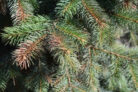
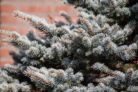
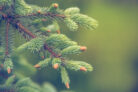
Normally, spruce trees are the stars of the winter garden, keeping their lush green needles all year long. But if you’ve noticed your tree turning brown and dropping needles by the handful, it’s definitely a sign that something is up. Let’s dig into why your spruce might be struggling and how to fix it.
Spruces are Evergreens
As an evergreen conifer, a healthy spruce should stay green through the fall and the dead of winter. However, if those needles start turning brown and falling off, your tree is likely under some kind of stress.
Common Reasons for Needle Drop
If your spruce is thinning out, it usually boils down to one of these three culprits:
- Lack of water or nutrients
- Pests and diseases
- Transplant shock after moving the tree
Thirsty Trees and Nutrient Deficiencies
Spruces love a spot with consistently moist soil. During long dry spells, the root ball can dry out completely. When that happens, the tree can’t send enough “fuel” to its branches. To save itself, the tree lets the needles turn brown and drop off.
Keep a close eye on soil moisture during hot, dry summer stretches. Interestingly, winter can be just as tough! If the ground freezes solid, the roots can’t soak up water, but the winter sun still causes moisture to evaporate from the needles. This leads to “winter burn.”
This is especially critical for potted spruces. If your container tree’s root ball has become bone-dry, give it a “rescue bath” by placing the pot in a bucket of water for a few hours until it’s fully hydrated again.
Pests and Diseases
Sometimes, uninvited guests are the problem. A pest infestation or a disease can quickly lead to needle loss. Keep an eye out for common issues like red rot, bark beetles, or spruce gall aphids, which are notorious for weakening these trees.
Transplant Shock
Did you recently move your spruce or repot it? If it starts dropping needles right after a move, it’s likely just stressed out. To help it settle in, make sure it gets plenty of water and the right nutrients to encourage new root growth. For younger trees, it’s a good idea to wrap them in burlap or garden fleece during their first few winters to protect those sensitive roots from deep freezes.