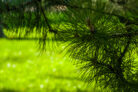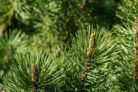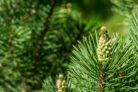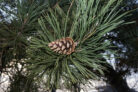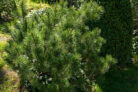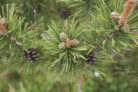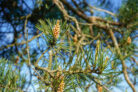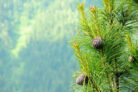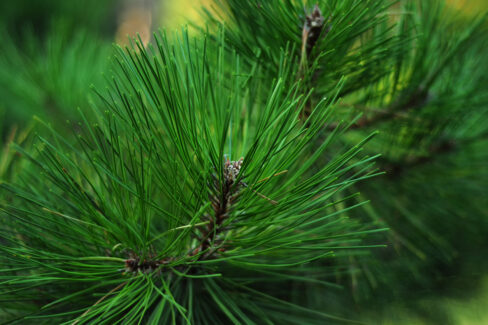
It’s pretty easy to tell an evergreen apart from a deciduous tree, right? But just like broadleaf trees have unique foliage, different conifers have very different needles. If you’ve ever wondered what makes pine needles special, here’s the lowdown on what to look for and why they’re so cool.
Appearance and Characteristics
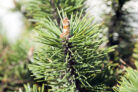
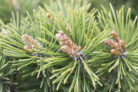
Pine needles are famous for being quite long compared to other evergreens. Depending on the species, they can range anywhere from 1 inch to a whopping 20 inches long! Despite their length, they are usually very slender. If you take a close look (and maybe use a magnifying glass), you’ll notice tiny, serrated edges that look like a little saw. Their length and vibrant green hue are what give pine trees that iconic, lush look.
Here’s a quick cheat sheet of their features:
- Thickness: Between 0.02 and 0.2 inches
- Length: 1 to 20 inches
- Edges: Finely serrated
The exact color and size will vary depending on the specific type of pine you’re looking at. Some varieties boast incredibly long needles, while others are more compact. The number of needles bundled together in a cluster (called a fascicle) also varies by species. Once you get a feel for their basic shape, you’ll be able to spot a pine tree from a mile away. Along with the bark and the pinecones, the needles are one of the best ways to identify these trees.
How Long Do They Stay on the Tree?
Pines are evergreen, meaning they don’t drop all their needles at once when winter hits (unlike the Larch, which goes bare). In fact, pine needles are surprisingly hardy and can stay attached to the branches for a very long time.
While we often think of “evergreen” as “forever,” individual needles do eventually age out. On a healthy pine, many needles can stay on the branches for up to 30 years! When their time is finally up, they’ll drop off, sometimes leaving the base behind and sometimes taking it with them.
What Discoloration Really Means
If you notice your pine needles turning funky colors or dropping prematurely, it’s usually a sign that something is up. Sometimes, the tree is just doing a bit of “spring cleaning” and shedding old needles to make room for new growth. However, if the shedding looks excessive, it could be a sign of disease or a pest infestation. If that’s the case, you’ll want to jump in and help your tree out.
Uses for Pine Needles
One of the best things about pine needles is that amazing, crisp scent. You’ve probably noticed it while walking through the woods after a rainstorm. That refreshing aroma comes from the essential oils packed inside the needles.
These oils aren’t just for smelling good—they’ve been used for medicinal and wellness purposes for ages. Pine needle oil is a popular addition to bubble baths and sauna infusions. It’s often used as a natural remedy to help soothe everything from rheumatic aches to bronchitis.