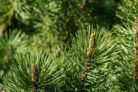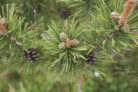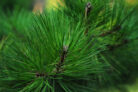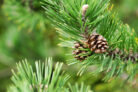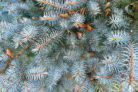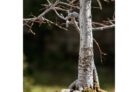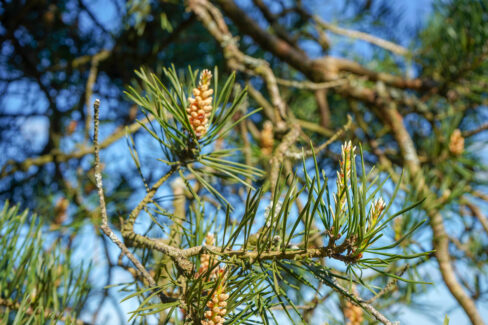
If you’ve noticed your pine tree dropping a ton of needles lately, it can definitely be a bit nerve-wracking. But before you panic, take a deep breath! While needle loss can sometimes signal a problem, it’s not always a cause for alarm. Here’s a breakdown of why your pine might be shedding and how you should handle it.
Wait, do evergreens actually lose their needles?
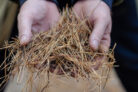
Even though pines are “evergreen,” they don’t keep the same needles forever. Just like deciduous trees, pines eventually swap out their old “leaves” for fresh ones. Usually, this happens gradually over several years, so you might not even notice the transition.
However, if we’ve had a particularly scorching, dry summer, the tree might decide to ditch a huge chunk of its pine needles all at once to save energy. If it’s just a natural cycle triggered by the weather, your tree is likely just fine—it’s just doing a bit of heavy-duty “spring cleaning.”
Is your pine hungry for nutrients?
It’s a different story if your tree is suffering from a nutrient deficiency. This can also lead to thinning needles. Pines are especially sensitive to iron deficiencies. Other culprits? Not enough sunlight or “wet feet” (standing water) around the roots. These issues mess with the tree’s metabolism and its ability to feed itself. Luckily, you can usually get your pine back on track with a little TLC.
How to help:
- Water your pine with soft water (low lime content).
- Make sure the soil drains well to avoid standing water.
- Spread some fresh compost around the base of the tree.
Could it be fungus or pests?
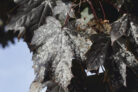
There are a few fungal diseases that love to target pines, like Pine Needle Cast. If your tree is infected, you’ll notice the needles turning an oddly pale color or bright yellow before they drop. Sometimes entire branch tips will dry out and die off. You’ll want to act fast here to stop the fungus from spreading—prune away the affected needles and branches as soon as you see them.
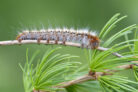
Then there are the pests. Some insects love to lay their eggs on pine trees, and once those caterpillars hatch, they start snacking on your tree’s resources. This literally drains the life out of the plant. If you spot an infestation, make sure to treat it early before the tree sustains permanent damage.