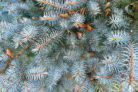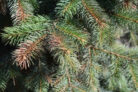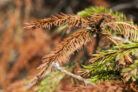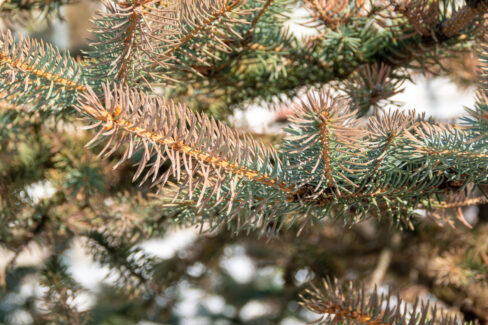
Healthy conifers are naturally vibrant and green. So, when you start seeing those needles or branches turn brown, it’s definitely a signal that something is up. While some browning is totally normal, other times it’s a cry for help. Let’s dig into what might be going on with your evergreens.
Common Reasons for Discoloration
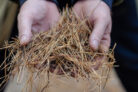
First off, don’t panic if you see a few brown needles deep inside the tree. Older needles naturally turn brown and drop off over the years to make room for fresh new growth. However, if a large section of your tree suddenly changes color, it’s usually due to one of these culprits:
- Long dry spells
- “Wet feet” (standing water)
- High pollution levels
- Improper nutrient balance
- Or an attack from pests and diseases.
Long-term Drought
When we go through a long period without rain, the root ball can dry out completely. If the roots don’t have moisture, they can’t send “fuel” up to the rest of the tree. The result? The needles turn brown and drop off from thirst. This is especially common for conifers living in pots or planters—they need a little extra love and regular watering to stay hydrated.
Pro tip: Don’t put the hose away just because it’s cold! Keep an eye on your trees during the winter, too. If it’s a particularly dry winter without much snow cover, your evergreens might need a drink to get through the season.
Standing Water (Waterlogging)
Believe it or not, too much water can be just as bad as too little. If a tree sits in soggy soil for too long, the roots can’t breathe and will eventually start to rot. Once the roots are damaged, they can’t transport water or nutrients properly, leading to that dreaded browning. If you’re growing conifers in containers, make sure you have excellent drainage so they never have to sit in a puddle.
Pollution and Environmental Stress
Conifers are a bit sensitive when it comes to air quality. Unlike deciduous trees that drop their leaves every year, evergreens keep their needles for a long time. This means they don’t just filter pollutants; they actually accumulate them over the years. Eventually, that buildup can mess with the tree’s ability to take in nutrients.
Road salt is another big enemy. It’s tough on the roots and can cause significant damage. If you can, avoid planting your evergreens right next to sidewalks or streets that get salted heavily during the winter.
Pests and Diseases
Finally, keep an eye out for uninvited guests. Pests like bark beetles or leaf miners are notorious for causing needles to turn brown and fall off. It’s a good idea to give your tree a “check-up” every now and then. If you spot an infestation, acting fast is key to keeping the problem from spreading to the rest of your garden.