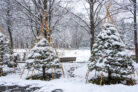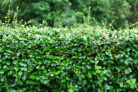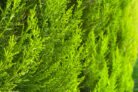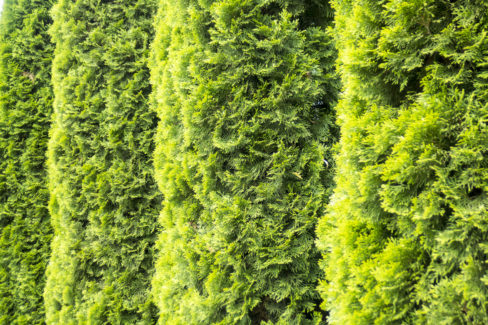
A conifer hedge is a fantastic way to create a natural privacy screen and define your property lines. If you’re thinking about planting one in your own backyard, there are a few “pro tips” to keep in mind to ensure those individual trees grow into a lush, dense green wall.
The Best Conifers for Your Hedge
Technically, you can use almost any evergreen for a hedge, but you’ll want to choose wisely based on your space. If you have a smaller yard, look for dwarf or compact varieties. Ideally, you want trees that grow quickly, branch out densely, and—most importantly—don’t mind a good pruning. If your hedge is going to be near a street, make sure to pick a variety that can handle road salt and car exhaust.
Some of the most popular go-to choices for American gardeners include:
- English Yew (classic and very hardy)
- American Arborvitae (the gold standard for privacy)
- Various types of Cypress (great for a sleek look)
Finding the Right Spot
Most conifers love soaking up the sun or hanging out in partial shade, though a few varieties are perfectly happy in the shade. Before you dig, check the specific soil preferences for the tree you’ve chosen—getting the soil right from the start makes a huge difference!
When to Plant
Since almost all conifers are hardy enough to handle the winter, you can technically plant them year-round. However, for the best results, I always recommend planting in the spring or fall. This gives the trees plenty of time to get their roots established before the heat of summer or the deep freeze of winter sets in.
Getting the Spacing Right
Spacing is key! You need to give your trees enough room to breathe, but keep them close enough to create that “wall” effect. Depending on the root system of your specific variety, make sure you’re leaving enough distance from buildings and walls.
To get a nice, opaque screen, don’t spread them too far apart. Generally, a gap of about 3 to 5 feet between plants is the sweet spot, depending on the species.
Hedge Maintenance 101
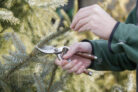
The great thing about conifers is that they’re pretty low-maintenance. Once they’re established, they don’t need much fussing. That said, a regular trimming is essential to keep the hedge looking sharp and tidy. Also, a little bit of fertilizer can go a long way in helping the trees fill in and knit together faster.
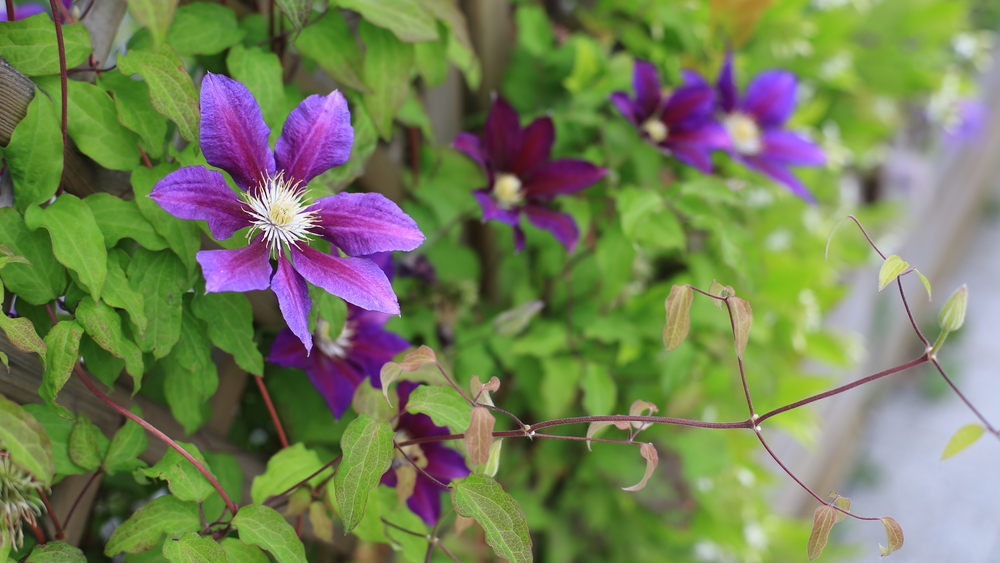
Underplanting Your Hedge
Want to add some extra flair? You can actually plant smaller species underneath your hedge. Just make sure you choose plants that enjoy the shade and don’t mind the slightly acidic soil that needles can create.