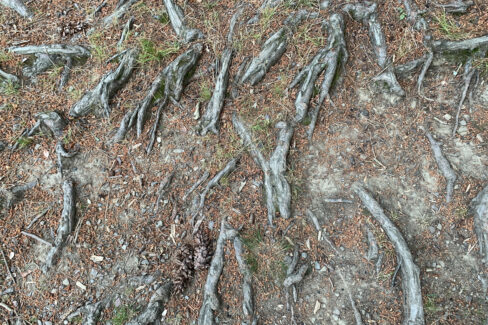
Ever wonder what’s going on beneath the soil of your favorite evergreens? It turns out that different conifer species have very different ways of “finding their footing.” Some prefer to stay near the surface, while others dive deep into the earth. Understanding these root systems is key to helping your trees thrive, and today we’re breaking down the big differences between shallow-rooted and deep-rooted conifers.
The Different Root Types of Conifers
When it comes to evergreens, you’ll generally run into two main types of root systems:
- Shallow-rooted (Lateral)
- Deep-rooted (Taproot or Heart-root)
Shallow-Rooted Conifers
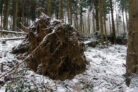
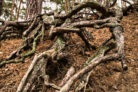
As the name suggests, shallow roots stay just a few inches below the surface—sometimes you can even see them snaking across the top of the soil. Instead of digging deep, these roots spread out wide to catch surface moisture. The downside? These trees have a hard time reaching groundwater or nutrients tucked away in deeper soil layers.
Some of the most common shallow-rooted conifers include:
- Spruce
- Hemlock and Japanese Cedar
- Arborvitae (Thuja)
Deep-Rooted Conifers
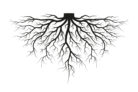
Unlike their shallow-rooted cousins, deep-rooters dig several feet into the ground. Most of these trees develop a powerful “taproot” that acts like an anchor. You might also hear about “heart-rooters,” which grow a deep but very compact root system. The big perk here is that these trees can tap into deep groundwater and nutrients that other plants can’t reach. Of course, those strong, deep roots make them a real challenge if you ever need to dig the tree up!
The most well-known deep-rooted conifers you’ll find are:
- Pine
- Yew
- Larch
Digging Up Conifer Roots
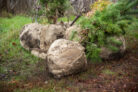
If you’re planning on transplanting a conifer, the root type makes a huge difference in how much sweat equity you’ll need to put in. Shallow-rooted trees are relatively easy to pop out of the ground compared to deep-rooted ones. Regardless of the type, the goal is always the same: try to get as much of the root ball as possible without hacking it to pieces.
For smaller jobs, a sturdy garden fork and a sharp spade are your best friends. If you’re dealing with a massive tree or a wide-spreading root system, you might even need to call in the “big guns,” like a mini-excavator or a skid steer.
Pro Tip: If you’re just removing a tree and don’t plan on replanting it elsewhere, you don’t actually have to break your back digging out every single fiber. Conifers won’t grow back from the stump or leftover roots. Those old roots will eventually rot away on their own. Just make sure to till the soil well (and maybe swap in some fresh dirt) before you plant something new in that spot!