Evergreens aren’t just for the deep woods—they’re actually fantastic additions to any home landscape. Whether you’re looking for year-round color or a bit of privacy, planting a conifer is a great move. To make sure your new tree gets off to a healthy start, there are a few “pro tips” you should keep in mind.
Ways to Use Evergreens in Your Yard
Conifers are incredibly versatile. Depending on the vibe of your garden, you can plant them:
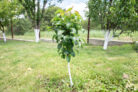
- As a stunning specimen tree that stands out on its own.
- As a natural privacy screen or hedge.
- In containers to spruce up your balcony or patio.
When is the Best Time to Plant?
Technically, you can put a conifer in the ground almost any time of year as long as the weather cooperates. However, for the best results, aim for spring or fall. These seasons give the roots a chance to settle in without the stress of extreme summer heat or frozen winter ground.
Getting the Spacing Right
Before you dig, think about how much room your tree needs to breathe. You’ll want to leave enough space between individual trees, as well as distance from buildings, walkways, and other plants. If you’re planting a hedge, you’ll want them close enough to fill in quickly for a dense screen, but not so crowded that they struggle for nutrients.
How to Plant Your New Tree
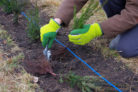
Ready to get your hands dirty? Here’s the best way to get your evergreen in the ground:
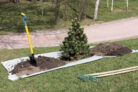
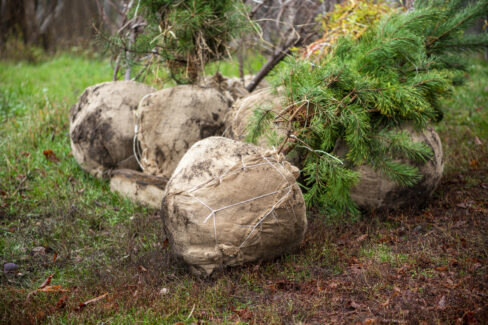
- Hydrate: Place the root ball in a bucket of water for a bit so the roots can soak up a good drink before planting.
- Dig In: Dig a hole that’s about twice as wide as the root ball.
- Prep the Soil: Mix the soil you dug out with some natural fertilizer, like compost or horn shavings. This not only feeds the tree but also helps keep the soil nice and airy.
- Plant: Set your tree in the hole and fill it back up with your enriched soil mix.
- Finish Strong: Press the soil down firmly to remove air pockets and give it plenty of water. Keep up with regular watering for the first few weeks!
Underplanting: What Grows Beneath?
If you want to fill in the space around the base of your tree, go for it! Just remember that the ground under an evergreen is usually shady and a bit acidic. Look for “shade-loving” plants that don’t mind a lower pH level.
Moving and Repotting
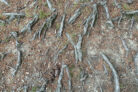
If you realize your tree isn’t in the perfect spot, you can transplant it. Just a heads-up: the older and bigger the tree gets, the harder this becomes! Those root systems can really spread out over time.
If you’re growing your evergreens in pots, make sure to move them into a larger container every couple of years so they don’t get root-bound.