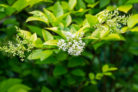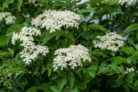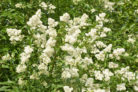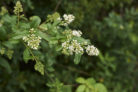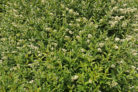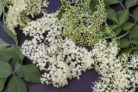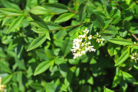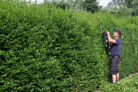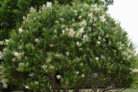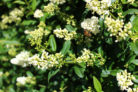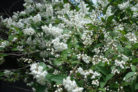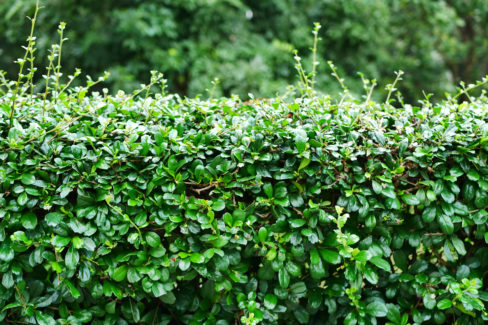
Privet isn’t just a great standalone shrub for your yard or balcony; it’s actually one of the best choices out there for a garden hedge. Thanks to its unique growing habits, you can create a beautiful, lush screen in no time. If you’re looking to grow a privet hedge that stays thick and private, there are just a few tips and tricks you should keep in mind.
Why You’ll Love a Privet Hedge
Privet has a lot going for it, making it a top-tier pick for landscaping. Here are some of the biggest perks:
- It’s incredibly low-maintenance.
- It grows super fast and branches out well, which is exactly what you want for a “living wall.”
- It’s tough as nails—it rarely deals with diseases or pests.
- It’s great for the local ecosystem; the berries provide a nice snack for birds and insects.
One Little Heads-Up
There is one small thing to keep in mind: despite what many people think, privet isn’t strictly an evergreen. In the dead of winter, it will usually drop its leaves, meaning your hedge won’t be quite as “private” during the coldest months. However, most gardeners don’t mind because privet holds onto its foliage for a long time—often well into early winter. You’ll only have a very short window where the hedge looks a bit thin.
Choosing the Right Variety
The good news is that it’s hard to go wrong here. Almost all privet varieties work well for hedging. Just make sure you choose a variety that is fully winter-hardy for your zone. Non-hardy types are usually reserved for containers or bonsai. If you want that privacy to last as long as possible, look for varieties known for holding their leaves late, like *Ligustrum vulgare ‘Atrovirens’*.
The Best Spot for Your Hedge
When picking a location, the rules for a hedge are the same as for a single shrub. Your privet will be happiest in a spot that gets full sun to partial shade with soil that drains well.
When to Start Planting
Technically, you can plant privet year-round. However, for the best results, I recommend planting in the spring or fall when the soil is naturally moist and the temperatures are mild.
How to Plant Your Hedge
Before you start digging, here’s a quick checklist to get your hedge off to a great start:
- Dig a hole that is about twice as wide as the root ball.
- To give your plants a nutritional boost, mix some compost or horn meal into the soil.
- Make sure the soil has good drainage so the roots don’t end up sitting in standing water.
- Place your shrubs in the holes, fill them back in with soil, and press down lightly to settle them.
- Give them a good soak right away. For the first few months, keep a close eye on the water and consider a little fertilizer to help them get established.
Getting the Spacing Right
Finding the right spacing is key. If you plant them too far apart, you’ll have gaps in your “wall”; too close, and the roots will fight each other for space. Generally, you’ll want to space them about 20 to 30 inches (50 to 80 cm) apart, depending on how large the specific variety grows.
Caring for Your Privet Hedge
Privet is pretty “set it and forget it” once it’s established. Just make sure to water regularly during those first few months so the roots can take hold. Fertilizing your hedge periodically will keep it lush and green. You can go the organic route with compost or horn meal, or use a balanced mineral fertilizer.
The Magic of Mulching
Your privet hedge will really thank you for a good layer of mulch. Especially in those early months, a layer of compost, leaves, or straw helps provide a steady stream of nutrients. Plus, mulch is a lifesaver for keeping the soil moisture consistent.
Pruning for Success
To make sure the whole hedge stays healthy, try a “conical” pruning shape (wider at the bottom, narrower at the top). This ensures the bottom branches get enough sunlight so the hedge doesn’t get “leggy” or thin at the base. You should actually do your first trim right after planting—cutting the shoots back by up to two-thirds. It sounds drastic, but it encourages the plant to branch out and get thick right from the start.
For the first few years, aim to prune about three times a year. The most important times are in the spring and in August, with a light touch-up in early fall. Once the hedge is mature and established, twice a year is usually plenty!