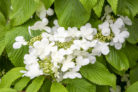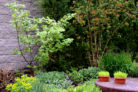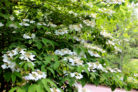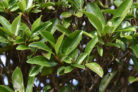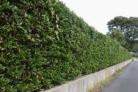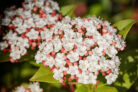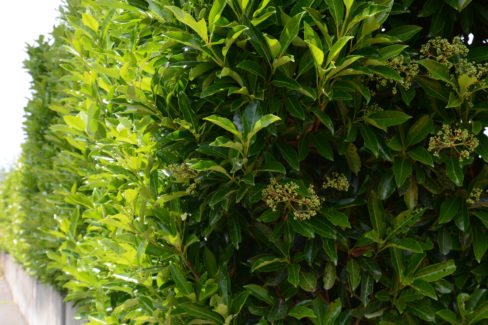
Viburnum is such a low-maintenance gem, and it makes for a stunning hedge! With just a few simple tips, you can get this decorative screen growing beautifully in your own backyard. In this post, I’ll walk you through:
- The different ways you can use a Viburnum hedge,
- How to prep your garden beforehand, and
- The best way to get those plants in the ground.
The Possibilities
Beyond just looking gorgeous, a Viburnum hedge serves some great practical purposes. You can plant one as:
- A bird-friendly habitat
- A natural privacy screen
- A noise barrier
Getting Ready
First things first: pick the right spot. Ideally, you want somewhere with plenty of sunlight. If you’re aiming for a bird sanctuary, try to keep it away from high-traffic areas like your patio so your feathered friends can nest in peace.
If you’re looking for year-round privacy or noise reduction, go for a fast-growing, hardy variety with large leaves. The Laurustinus (Viburnum tinus), for example, makes a fantastic evergreen hedge.
Before you head to the nursery, measure your space. You’ll want to plan for about 3 feet (1 meter) of space between each plant to give them room to breathe.
Planting Time
The best time to plant is either in the spring or early fall. You’ll want to hold off on planting if:
- It’s extremely dry out,
- It’s super windy,
- There’s a frost, or
- You’ve just had a massive rainstorm (you don’t want to work with mud!).
Planting the hedge is actually pretty straightforward. Just follow these steps:
- Give your Viburnum plants a good soak and leave them in their pots until you’re ready to move them.
- Dig a trench the length of your planned hedge. It should be at least 14 inches wide and 20 inches deep.
- Loosen up the soil at the bottom of the trench.
- Clear out any weeds inside and around the planting area.
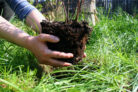
- Carefully take the plants out of their pots and space them out in the trench.
- Fill the trench back in with the soil you dug out (or mix in some fresh garden soil).
- Gently tamp down the earth to settle it.
- Give your newly planted Viburnums one last thorough watering.