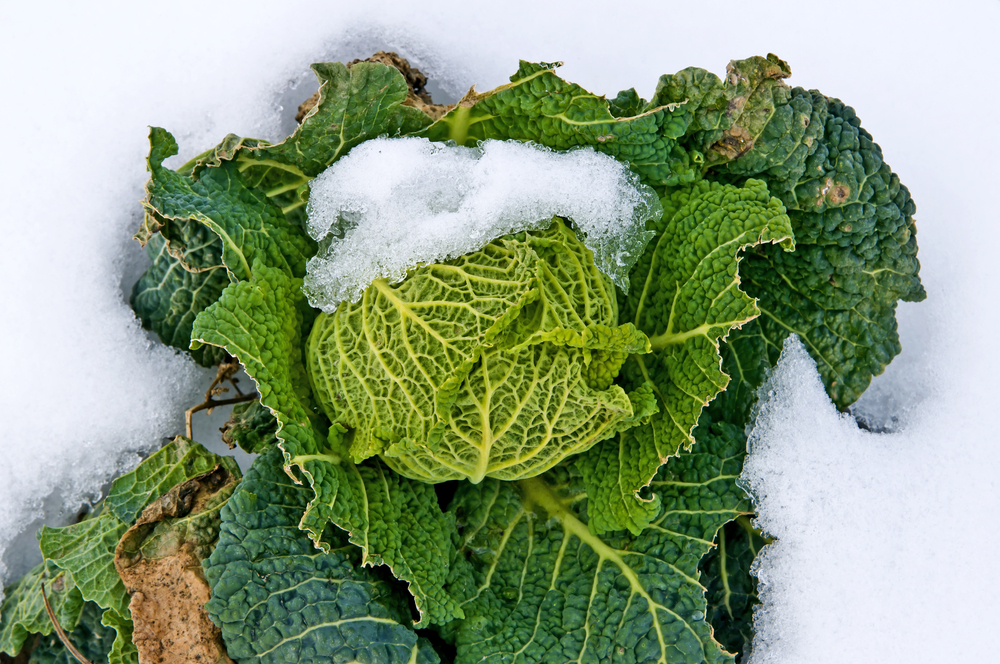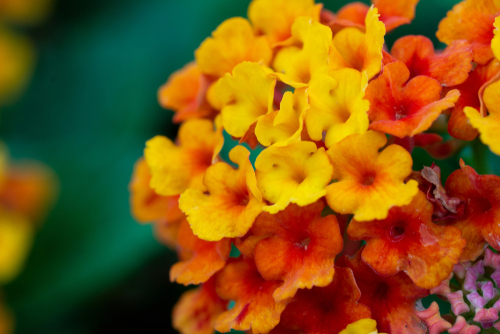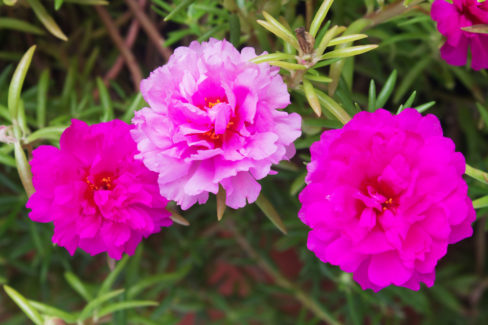
This plant was practically made for summer. The more the sun beats down on the Moss Rose (Portulaca), the more those vibrant, colorful blooms pop. But as we all know, every summer eventually fades, making way for the icy grip of winter. So, what exactly does frost do to these little beauties?
Moss Roses and Winter Hardiness: Not a Great Match
When it comes to winter hardiness, the answer for the Moss Rose is pretty straightforward: it doesn’t have any! That’s not exactly a surprise when you consider its South American roots. Even though its genetics are programmed for year-after-year blooming, in our neck of the woods, it’s usually treated as an annual. To be specific, it really only gets about six months of “glory time”—the frost-free window from mid-May to mid-October.
Quick Tip:
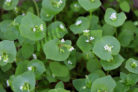
While Moss Rose is technically edible, it’s definitely not a gourmet treat. At best, the flowers make a pretty garnish for a salad. If you’re looking for tasty greens to actually eat, you’re better off planting Purslane or Winter Purslane instead.
Frost-Hardy Seeds: Nature’s Little Gift
While the plant itself will turn to mush at the first sign of frost, its seeds are much tougher. They can actually survive in the soil through the winter and maintain their ability to sprout the following year. Come spring, some of those seeds will transform into brand-new little plants. Since the seeds usually drop right next to the mother plant, many gardeners think the original plant is growing back. In reality, that almost never happens unless the thermometer stayed above freezing all winter long.
If you want to keep the family line going, don’t leave it all up to chance:
- Deadhead spent blooms to encourage the plant to keep producing new buds.
- Leave a few flowers alone toward the end of the season so the seeds can ripen.
- You can let them self-sow or collect the seeds yourself.
- Start seeds indoors in March and move them outside after the last frost in mid-May.
Quick Tip:
If your Moss Rose has self-sown, the seeds might sprout early during a warm spring. Keep a close eye on those babies until the “Ice Saints” (the traditional last frost dates) have passed. If a late frost hits, cover them up or transplant them into pots to bring inside.
Giving Potted Plants a Fighting Chance
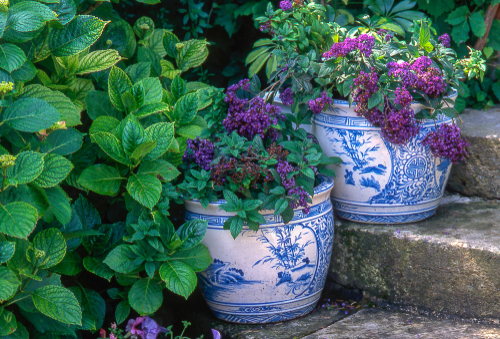
Moss Roses are super popular in containers. If the temperature outside hits freezing, a potted plant won’t stand a chance on its own. However, a container-grown Moss Rose actually has a great shot at seeing the New Year if you give it a cozy place to crash. Here is how to overwinter it like a pro:
- Move it inside before the first frost hits.
- Find a bright spot that stays cool (around 60-65°F).
- A bright bedroom or a cool stairwell works perfectly.
- Stop fertilizing and water very sparingly.
- Don’t put it back outside until the danger of frost is completely gone.
- Remember to acclimate it to the direct sun slowly so the leaves don’t burn!