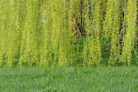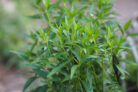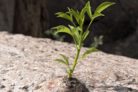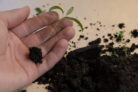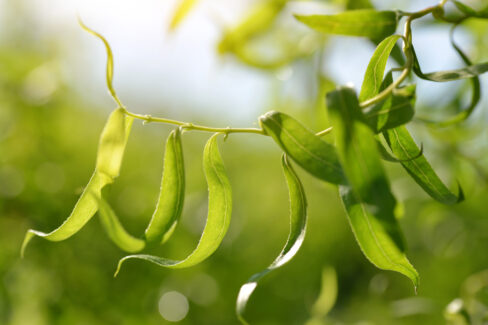
If you or a friend already have a Corkscrew Willow in the yard, you’re in luck! Growing a brand-new shrub from a cutting is actually super easy. In this post, I’ll walk you through exactly how to do it and what you need to keep in mind to get those curly branches growing in no time.
Which branches make the best cuttings?
The best time to start propagating your willow with cuttings is during the summer. Look for one or more healthy, “semi-hardwood” stems—these are branches that are starting to get woody but are still a bit flexible. Make sure they don’t have any flowers on them. You’ll want to snip the branch just below a leaf node, aiming for a piece about 8 inches long.
How do you successfully grow a Corkscrew Willow from a cutting?
Once you’ve got your branch, strip off all the lower leaves. To give it a little head start, I recommend dipping the cut end into some rooting hormone to encourage those roots to sprout. For the actual planting, you’ll need a pot and some “lean” seed-starting soil. You can use:
- Specialized seed-starting mix, or
- Regular garden soil mixed with a bit of sand.
Stick the leafless end of the cutting into the soil and give it a good drink of water. These little guys can’t handle direct sun just yet, so find a warm spot with partial shade. Keep the soil consistently moist. To keep the cutting from drying out, you can pop a clear plastic bag or a dome over the pot until you see the first signs of new growth. Just remember to lift the cover daily to let it breathe and prevent any mold from moving in.
Can you root the cuttings in water?
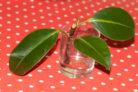
Absolutely! Corkscrew Willows actually root quite well in just a glass of water. Simply place the cut end of your branch in a container filled with water. To keep things fresh and prevent rot, you should change the water daily and toss in a small piece of charcoal. Once the roots are at least 2 inches long, your cutting is ready to be moved into a pot with soil.
When is it time to plant the new willow outside?
As soon as your cutting has developed a strong root system, you’re ready to transplant it. The cool thing about Corkscrew Willows is their versatility; you can plant them:
- Directly in the garden
- In a large planter
- Or even train them as a bonsai!
If you’re planning on going the bonsai route, just keep in mind that you’ll need a specific bonsai soil mix, and it’s best to start the cutting right in a bonsai pot from the get-go.