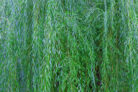
Willows are famous for being fast growers, which is great news for us gardeners! It doesn’t hurt the tree at all to snip off a few branches here and there. Whether you want to pop them in a vase for some indoor decor or use them to grow brand-new trees, willow cuttings are incredibly versatile. Here’s the lowdown on how to harvest and use them.
Cutting Willow Propagation Sticks
The best time to take cuttings from your willow tree is during the colder months. You’ve actually got a pretty wide window here—anytime between October and February usually works perfectly. Just a quick tip: while it’s fine to take several branches, avoid doing a “radical” hard prune during this time.
Here are a few fun ways to use those willow branches:
- Indoor decor (they look great in tall vases!)
- Weaving your own baskets
- Building cute wattle fences for flower beds
- Growing brand-new willow trees
Willow whips are actually super popular—you’ll even see them for sale in craft stores! They’re a DIY decorator’s dream, especially around Easter. Those curly or straight branches are perfect for hanging ornaments or hand-painted eggs. Beyond decor, they are sturdy enough for weaving garden borders or baskets. And, of course, my favorite use: propagating more willows for your yard.
How to Propagate Willow from Cuttings
Willows have an incredible will to grow. Seriously, they’re some of the easiest plants to propagate! To get started, snip off branches that are about 8 to 12 inches long. You can start them in a jar of water on your windowsill. Once you see those little white roots starting to sprout, it’s time to get them into the ground at their permanent home.
If you’re feeling bold, you can even skip the water jar and stick the cuttings directly into the garden soil. If you go this route, just make sure they stay well-watered. Give them a regular drink, but keep an eye on the drainage—you want the soil moist, not swampy. Just like the roots of a mature willow, the cuttings don’t like sitting in stagnant water.