Hardly any tree is as iconic or beloved as the weeping willow. If you’re lucky enough to have one in your yard, you can easily propagate it to share with friends or even sell. Here’s a look at the best ways to grow new willow trees and exactly how to get the job done.
Ways to Propagate a Weeping Willow
- Growing from seeds
- Growing from cuttings
The Natural Way: Growing from Seeds
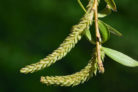
In theory, you can propagate a weeping willow the same way nature does. This involves using the seeds that form on the catkins once the tree is in full bloom. In the wild, these seeds are carried off by the wind or spread around by busy insects.
While this method can work, it’s definitely the “expert mode” of gardening. First off, willows are dioecious, meaning there are separate male and female trees—so you have to make sure you’re getting fertile, viable seeds. Then there’s the timing: the seeds are only viable for a tiny two-week window. Once you’ve gathered them, you have to get them in the ground within 24 hours, or they’ll lose their ability to sprout.
Step-by-Step: Planting Seeds
- Find the perfect spot for your tree.
- Dig a small hole and place a few seeds inside.
- Cover them lightly with a mix of soil and compost.
- Water them well and keep the soil consistently moist.
- Be patient and wait for those first sprouts!
The Pro Choice: Propagation via Cuttings
Most professional nurseries propagate weeping willows using cuttings, and for good reason—it’s much more reliable. You simply take a healthy piece of a branch and use it to start a brand-new tree. Here’s how to do it:
- Cut a few willow branches about 14 inches (35 cm) long.
- Be careful not to over-prune or thin out your main tree too much.
- Stick the cuttings directly into the soil at your chosen location.
- Cover the surface with a little mulch or compost to lock in moisture.
- Water them immediately and keep them well-hydrated over the following days.
The best time to take cuttings is either in the spring or early fall. If you’re already planning on pruning your weeping willow, you’ll have plenty of material to work with! Just make sure to choose healthy, vibrant branches that are full of life for the best results.