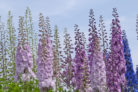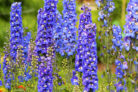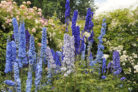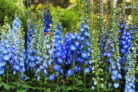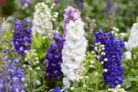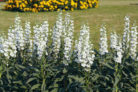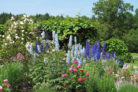
Growing Delphiniums (also known as Larkspur) from seed is actually a lot easier than you might think! If you’re a fan of those stunning, tall flower spikes, you’ll be happy to know that Delphinium varieties are perfect for DIY propagation. You can get started anytime between March and September.
Harvesting Your Own Seeds
If you already have some Delphiniums brightening up your garden, there’s no need to run to the store for seeds. You can harvest your own! Just leave the faded flower spikes on the plant instead of deadheading them so they can develop seed pods. These pods are small, black, and triangular.
Keep a close eye on them in the fall. You want to pick them once they turn brown but *before* they pop open. If you wait too long, the pods will burst and the plant will happily reseed itself all over your garden bed! Once you’ve gathered your seeds, store them in an airtight container in a dark, cool spot (ideally between 32°F and 40°F).
Starting Seeds Indoors vs. Direct Sowing
Delphiniums are “cold germinators,” meaning they actually prefer chilly temperatures—between 41°F and 54°F—to wake up. Even so, you can get a head start by starting them indoors or in a cold frame under glass starting in March. Here’s how to do it step-by-step:
- Grab some small starter pots and high-quality seed-starting mix (a peat-sand blend or coco coir works great).
- Fill your pots and place the seeds on the surface.
- Pro tip: Delphiniums are light germinators, so don’t bury them! Leave them uncovered so the light can reach them.
- Keep the soil consistently moist.
- Place them in a spot with bright, filtered light (partial shade).
- If you bought your seeds, they’ll do fine at around 60°F to 65°F.
- If you’re using seeds you harvested yourself, keep them in a cooler spot.
- Be patient! Germination usually takes about four weeks.
- Once they’re sturdy enough, transplant your seedlings into the garden or into a larger decorative pot.
If you’d rather skip the pots, you can sow them directly into your garden beds between May and September. Just follow these steps:
- First, you’ll need to “stratify” the seeds. Since they need a cold snap to trigger growth, pop them in the veggie drawer of your fridge starting in March.
- When you’re ready to plant, loosen the soil well in a sunny, suitable spot.
- Since these seeds sit right on top of the soil to get light, toss a fine net over the area so the birds don’t treat your future flowers like a snack bar!