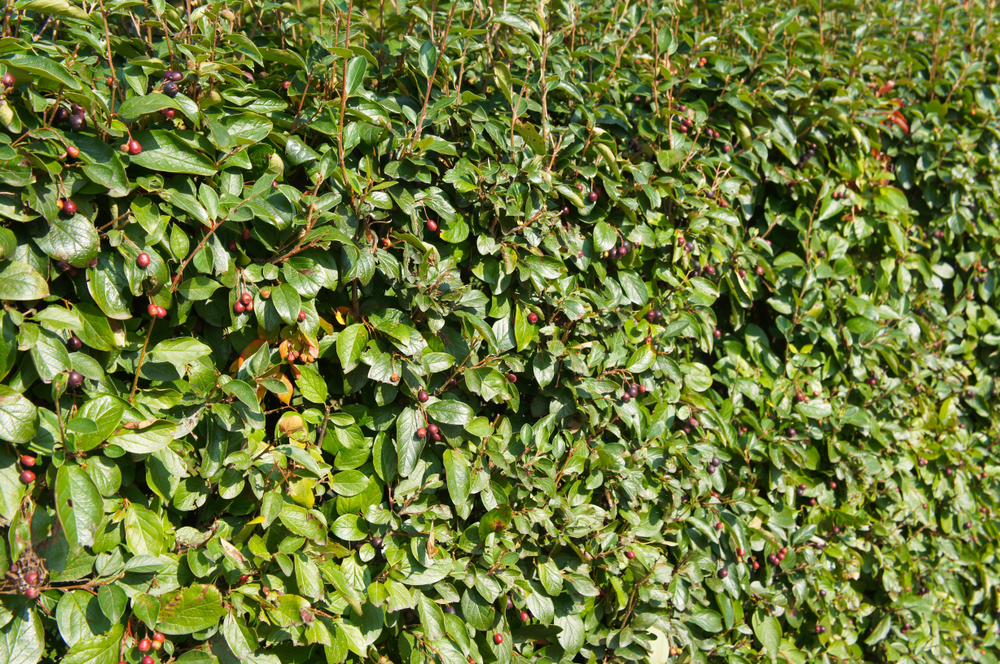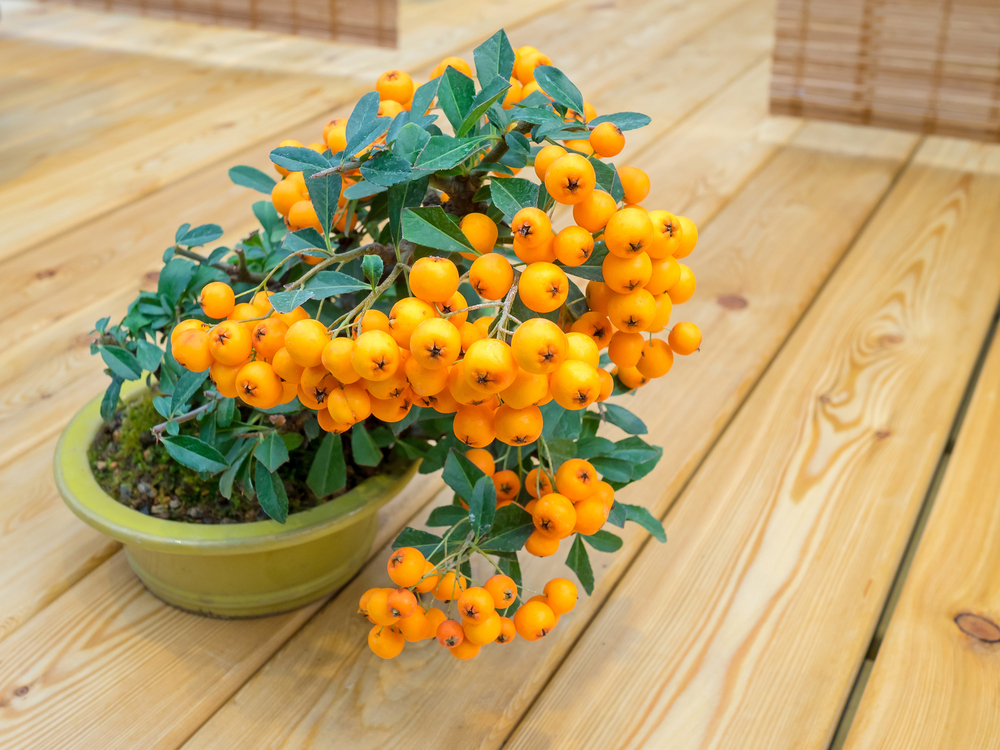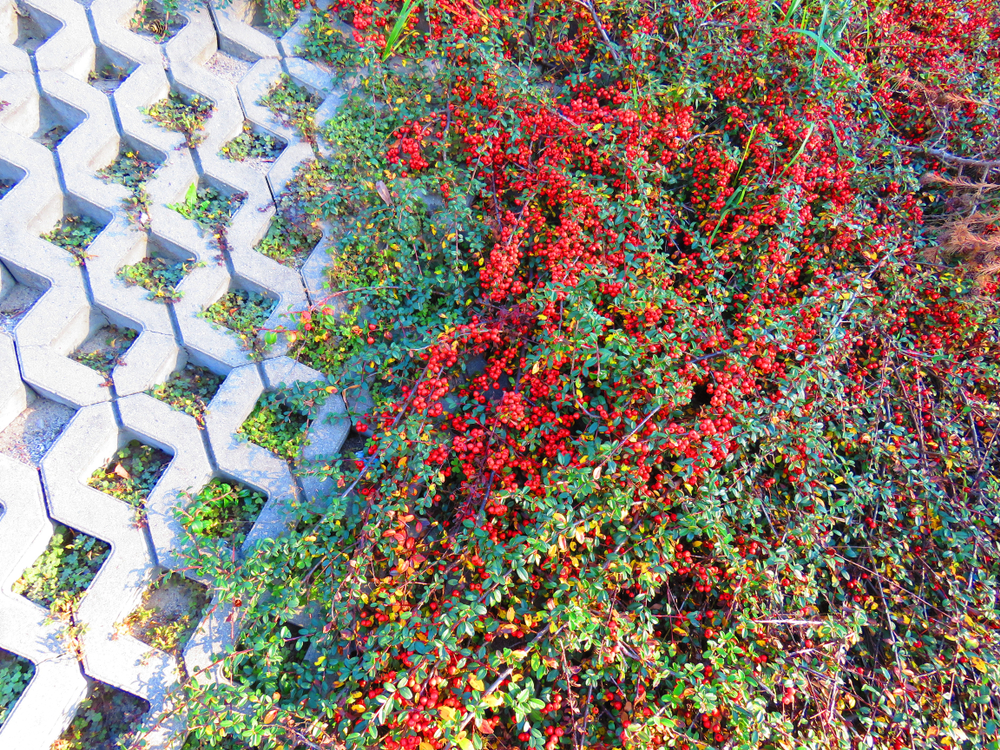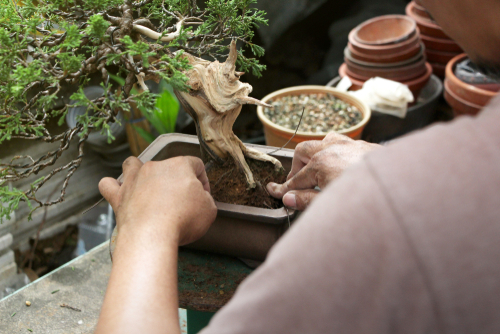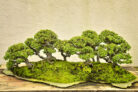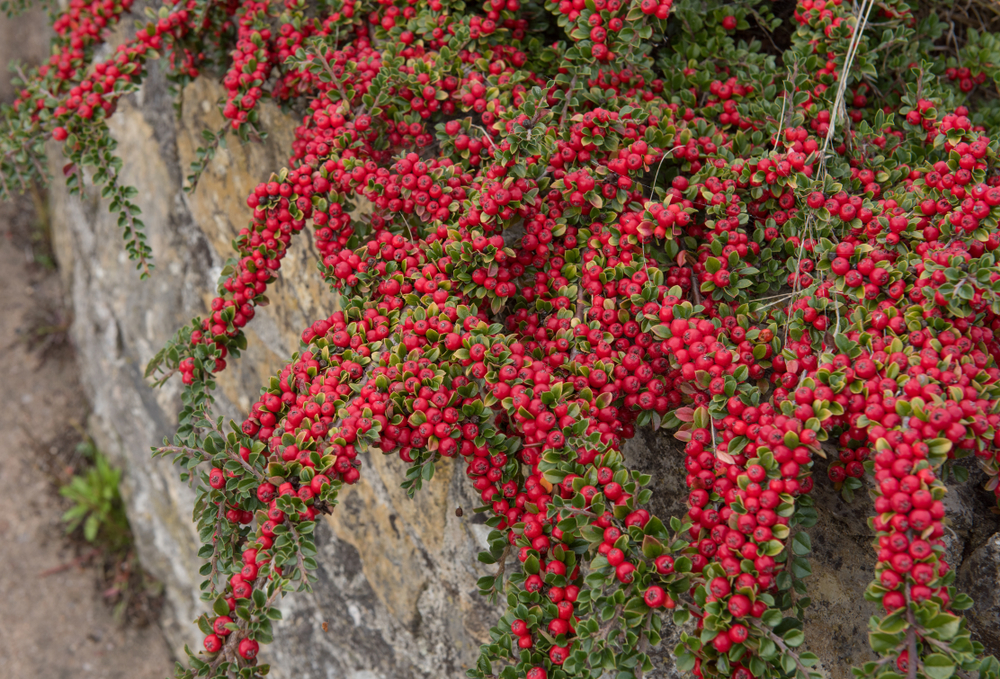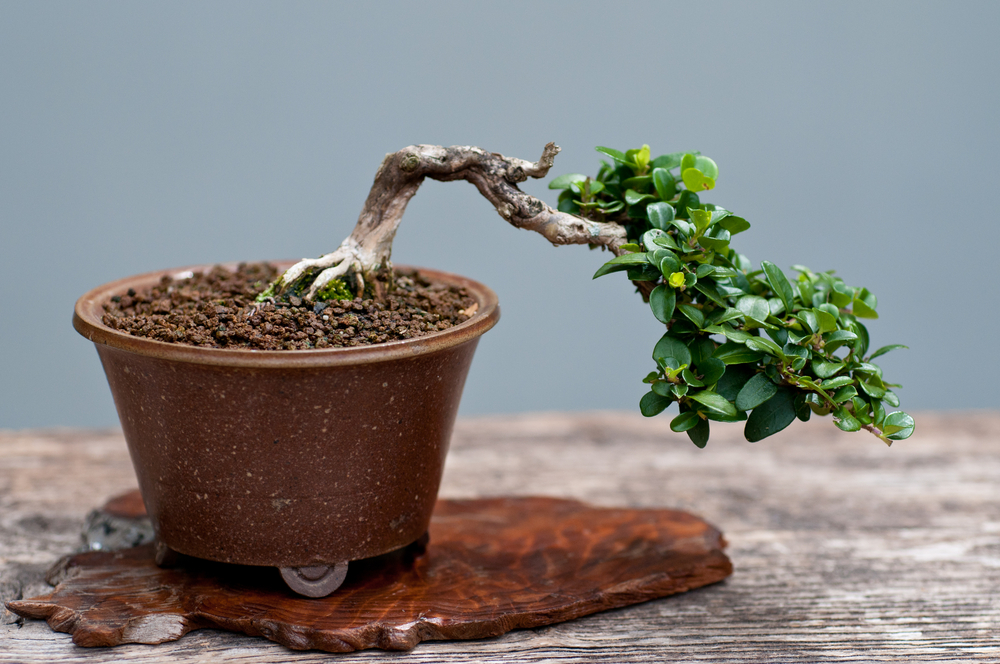
Most of us know the Rockspray Cotoneaster as a reliable groundcover, but did you know it’s also a superstar in the world of bonsai? If you’re short on space but love the look of a classic miniature tree, this plant is a fantastic choice. Here is everything you need to know about growing and styling your very own Cotoneaster bonsai.
The Best Cotoneaster Varieties for Bonsai
While there are many types out there, these specific varieties are the “best in show” for bonsai cultivation:
- Cotoneaster microphyllus (Small-leaf Cotoneaster)
- Cotoneaster conspicuous (Tibetan Cotoneaster)
- Cotoneaster horizontalis (Rockspray Cotoneaster)
- Cotoneaster congestus (Pyrenees Cotoneaster)
- Cotoneaster praecox (Early Cotoneaster)
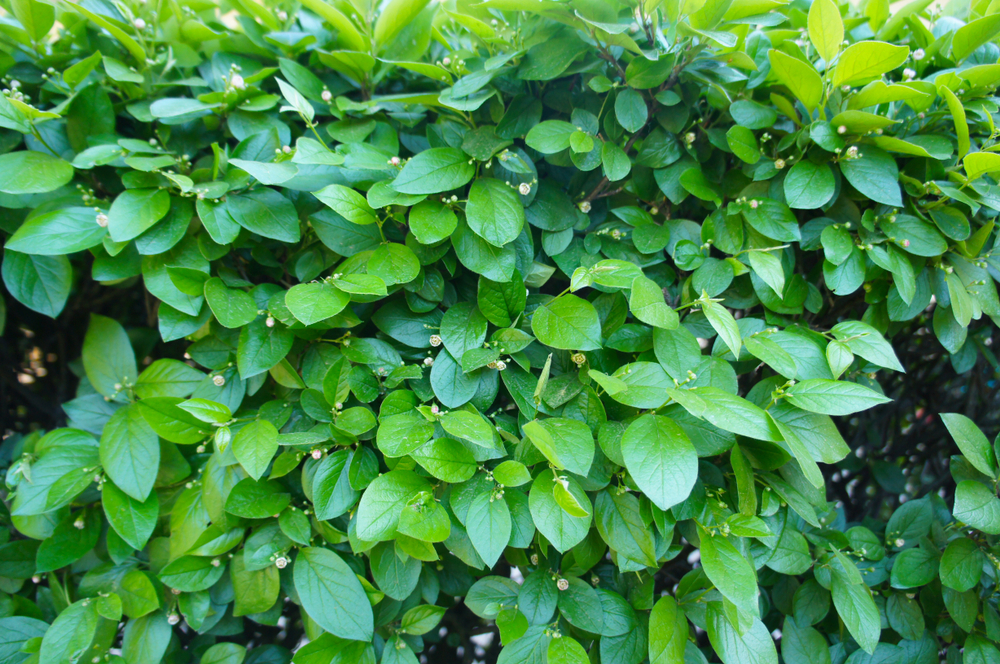
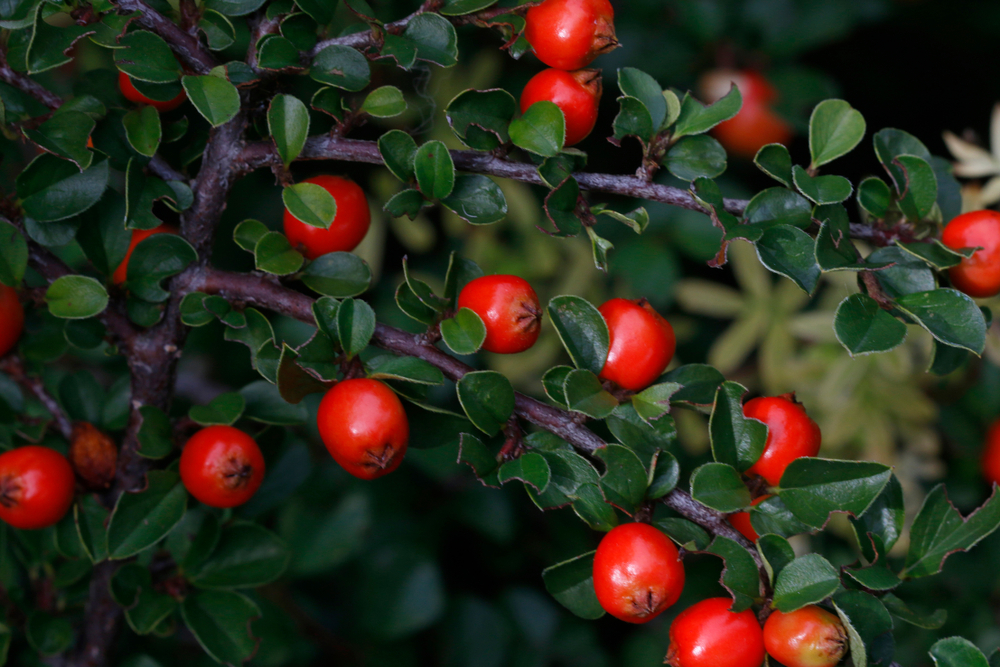
These species are perfect for creating small-scale bonsai that look great on a balcony or patio. One of the reasons I love working with Cotoneaster is how incredibly hardy they are when it comes to pruning. They handle a clip exceptionally well and back-bud quickly, even after a heavy pruning session. Plus, those tiny, glossy leaves are perfectly in scale for a miniature tree.
They have a naturally compact growth habit, and the branches are flexible enough to be wired year-round. But the real “wow” factor? The delicate flowers and bright berries. Those berries often stick around for months, giving your bonsai a stunning pop of color long after the blooms are gone.
Location and Care Tips for Your Cotoneaster Bonsai
Your Cotoneaster bonsai is a total sun-worshipper. To get the best flowers and fruit, it needs plenty of direct sunlight during the spring and fall. However, when the heat of midsummer hits, it’s a good idea to move it into partial shade so the roots in the shallow pot don’t bake. During the winter, keep it in a bright spot and make sure to protect the root ball from hard freezes.
When it comes to watering, it’s all about balance. You don’t want the soil to dry out completely, but you definitely want to avoid “wet feet” (standing water). A good rule of thumb: keep it a bit drier in the winter and more consistently moist during the summer heat to help regulate the temperature in the pot. Every two to three years, you’ll want to repot your tree before the new growth starts in spring, giving the roots a light trim while you’re at it.
During the growing season, your little tree is going to be hungry! Use a standard liquid bonsai fertilizer regularly, following the dosage on the label. For the best results, always use a high-quality, well-draining bonsai soil mix to keep those roots happy and healthy.