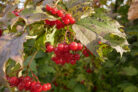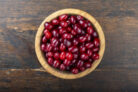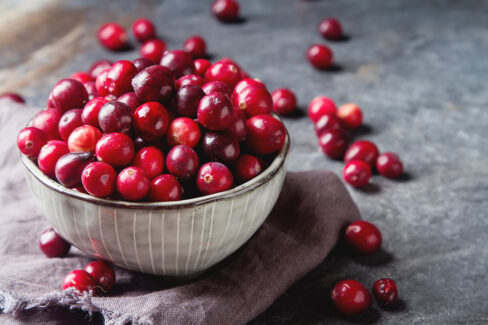
Cranberries and lingonberries are like cousins in the plant world. While they look a lot alike at first glance, there are actually quite a few differences between the berries and the plants themselves once you know what to look for.
Botanical Background
Both cranberries and lingonberries belong to the Ericaceae family (the heathers). They even share the same genus, *Vaccinium*, which they also share with blueberries! However, that’s where they head in different directions. Cranberries fall into the subgenus *Oxycoccus*. While we call them cranberries here in the States, in German-speaking regions, they are often known as the “Large-Fruited Bog Berry.”
Where They Grow
The large-fruited cranberry is originally native to the northern regions of the U.S., where it absolutely loves hanging out in boggy, marshy soil. Even though they’re North American natives, they are incredibly hardy and can be grown in Central Europe too. Because they are so popular, cranberries are a major commercial crop and are grown on large-scale farms.
Lingonberries are also found in North America, but they are just as much at home in the forests of Europe. That said, finding a massive wild patch in Europe is getting harder these days; large natural populations have become pretty rare in Central Europe.
Cultivation and Growth
When it comes to commercial farming, cranberries are the clear winner. Not only are the fruits larger, but they can also be harvested using machinery. Even though they prefer bogs, they’re pretty adaptable and can grow in moderately acidic garden soil. In fact, they’ve been so successful that they’ve established themselves as a “neophyte” (a non-native species that fits right in) in some European moors.
Lingonberries, on the other hand, grow as low-slung dwarf shrubs, usually topping out at about 15 inches tall. Even the cultivated varieties don’t get much bigger than that. They love moderately acidic spots, often tucked away under spruce trees. You won’t see many commercial lingonberry farms because they can’t be harvested by machines—they still have to be picked by hand!
How to Use Them
Despite their differences in the garden, you can use cranberries and lingonberries in very similar ways in the kitchen. Both are fantastic when dried and eaten as vitamin-packed snacks. They both make excellent jellies and jams, too. Plus, you’ll find juices made from both berries, often marketed for their health benefits, like supporting kidney and urinary tract health.