Believe it or not, passion fruit and maracuja are often confused for the same thing! While they are incredibly similar, they are actually two different fruits from the same plant family. If you’ve ever wondered what sets these two tropical favorites apart, you’re in the right place. Let’s break down the differences between these popular treats.
What’s the Difference Between Passion Fruit and Maracuja?
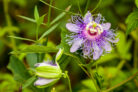
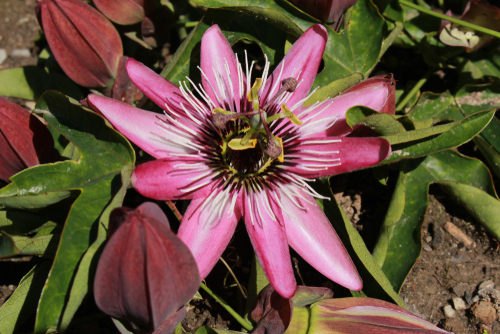
Both maracuja and passion fruit belong to the passionflower family (Passifloraceae) and the genus *Passiflora*. Specifically, the common passion fruit is known as *Passiflora edulis*, while the maracuja is a specific form called *Passiflora edulis f. flavicarpa*. Because they share such a close lineage, the plants look very much alike.
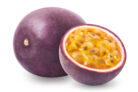
Since these fruits aren’t native to cooler climates and aren’t grown commercially in many backyards, it’s easy to mix them up. In fact, you’ll often see ads for “maracuja juice” featuring a picture of a purple passion fruit because it’s considered more photogenic! It’s no wonder people use the names interchangeably. To tell them apart, you just need to look at three things:
- Appearance
- Size
- Flavor
Size and Appearance: Passion Fruit vs. Maracuja
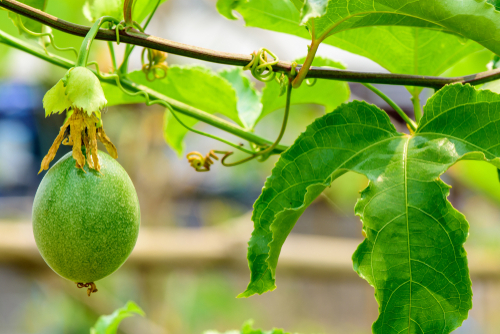
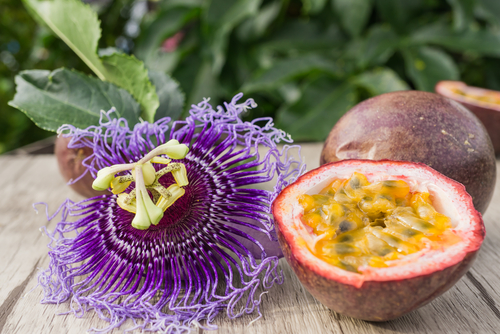
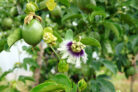
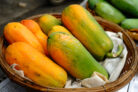
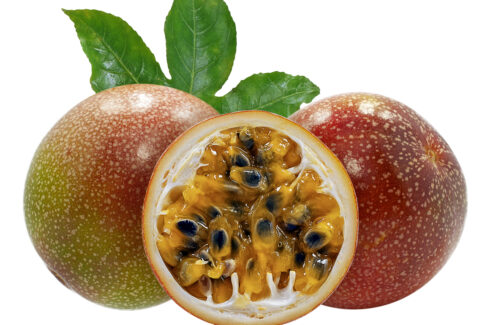
The standard passion fruit is a bit smaller than a maracuja. As it ripens, the skin turns from green-brown to a deep purple. A great tip for gardeners: when the skin starts to get wrinkled, it’s reaching peak ripeness! On the other hand, the maracuja has a bright yellow to yellow-green skin. Inside, both fruits feature that iconic jelly-like pulp filled with crunchy little black seeds.
The Flavor Profile
Both fruits have that unmistakable, aromatic tropical flavor we all love, but you’ll definitely notice a difference if you taste them side-by-side. Passion fruit is significantly sweeter, whereas maracuja packs a tart, acidic punch. Just keep in mind that ripeness plays a big role—even a purple passion fruit can be a little sour if it’s picked too early.
How to Use Passion Fruit and Maracuja
Both of these fruits are nutritional powerhouses and show up everywhere from ice cream and yogurt to fancy desserts. Because maracujas are larger and have a higher acidity, they are the go-to choice for commercial juice production. Both are also fantastic when cooked down into jellies or homemade syrups for cocktails and sodas.
Can You Grow Passion Fruit or Maracuja at Home?
While both plants can handle a bit of a chill, they won’t survive a harsh northern winter outdoors. However, that doesn’t mean you can’t grow them! They do great when planted in large containers or kept in a greenhouse. During the growing season, keep an eye on the thermometer: purple passion fruit likes it to be at least 68°F (20°C), while the yellow maracuja prefers things even toastier, ideally at least 75°F (24°C).