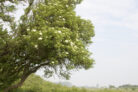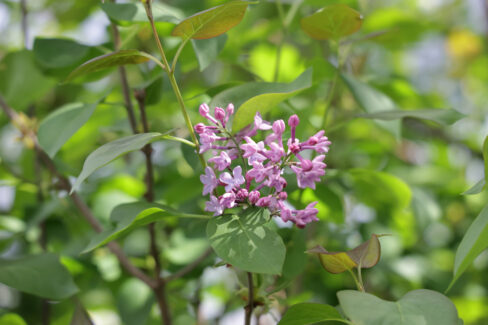
In some parts of the world, you’ll hear people call elderberries “lilac berries,” but don’t let the names fool you! While the terms get swapped around in certain old-school dialects, elderberry shrubs and lilac bushes are actually two very different plants. If you’ve ever wondered how to tell these two garden favorites apart, you’re in the right place.
A Little Linguistic Confusion
If you travel through certain regions of Northern Germany, you’ll still hear the older generation refer to black elderberries as “Fliederbeeren” (lilac berries). This comes from the local Low German dialect, where the name is deeply rooted in tradition. However, in the world of botany, the Common Lilac and the Black Elderberry are distinct species with their own unique personalities.
Spotting the Differences
Once you know what to look for, it’s actually pretty easy to tell them apart. Here’s the breakdown:
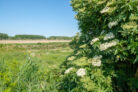
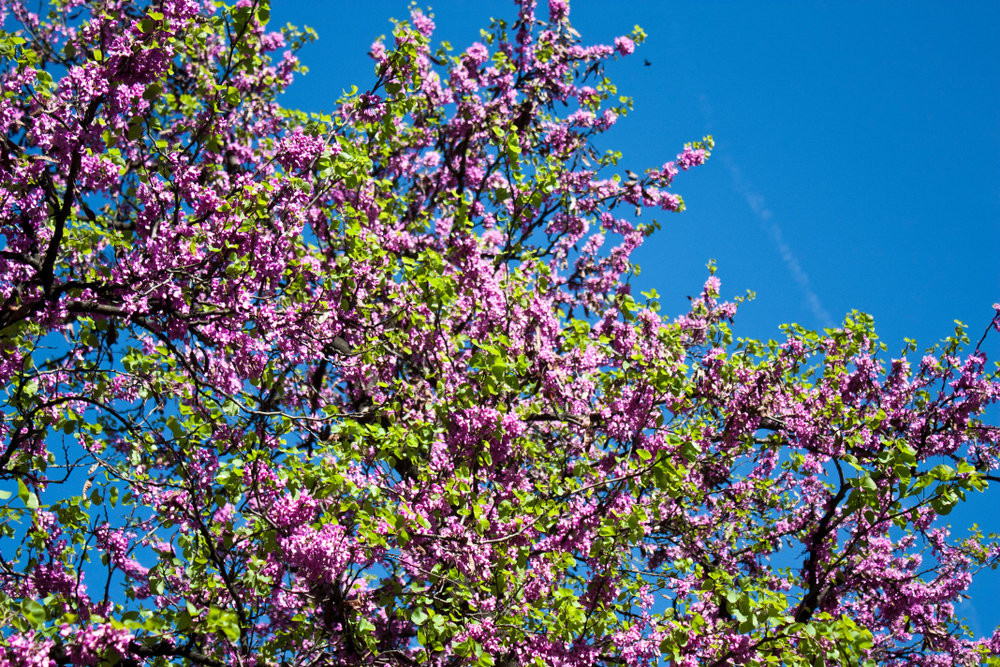
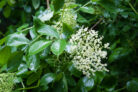
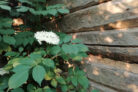
- The Blooms: Elderberry flowers grow in flat, umbrella-like clusters (called cymes), while lilacs produce those iconic, cone-shaped flower spikes that can reach about 12 inches long.
- The Colors: Elderberry blossoms are a delicate creamy white. Lilacs, of course, are famous for their shades of purple and violet (though you can find white varieties, too).
- The Timing: Lilacs are the stars of early May. Elderberries are a bit more patient, usually waiting until June to show off their flowers.
- The Leaves: Lilac leaves are broad and heart-shaped or oval. On the other hand, black elderberry foliage is pinnate, meaning it has several small leaflets arranged along a central stem.
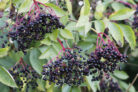
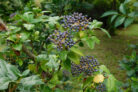
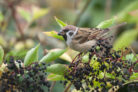
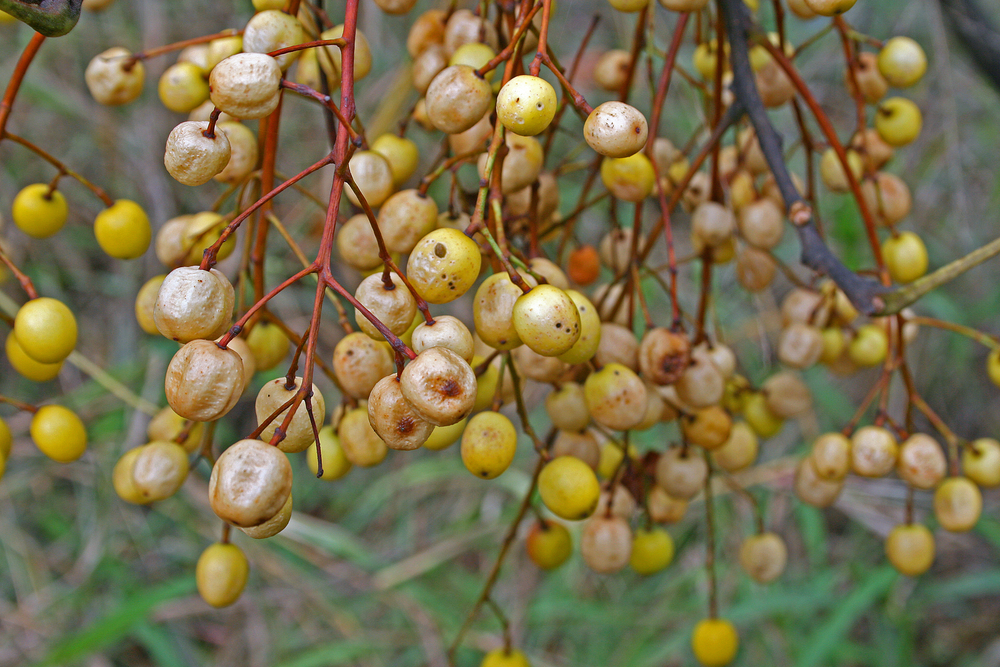
- The Fruit: Lilacs produce dry seed capsules. Elderberries give us those juicy dark berries we love to harvest in the fall.
Lilacs are primarily grown for their incredible fragrance and beauty—they make fantastic cut flowers for your kitchen table. Elderberries are the workhorses of the kitchen; both the flowers and the berries are edible. Just a quick heads-up: you must cook elderberries for at least 30 minutes before eating them to neutralize mild toxins. Raw elderberries are a no-go!
What Do They Have in Common?
Both of these plants are enthusiastic growers! If you give them an inch, they’ll take a mile (or at least a large corner of your yard). To keep them from taking over your garden, I highly recommend installing a root barrier right when you plant them. It’ll save you a lot of pruning and digging down the road!