Getting the timing right is the secret to giving your Crown Imperial a head start in your garden. Choosing the perfect planting window isn’t just about checking a box; it’s about syncing up with the plant’s natural rhythm. Plus, once these beauties are tucked into the ground correctly, you won’t have to lose a wink of sleep over them when the winter chill sets in.
The Best Time to Plant
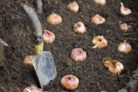
If you want your Crown Imperial bulbs to thrive, you’ll want to get them in the ground well before winter arrives. The sweet spot for planting is usually between August and October. Ideally, you want to give the bulbs enough time to establish a solid root system while the temperatures are still warm or mild.
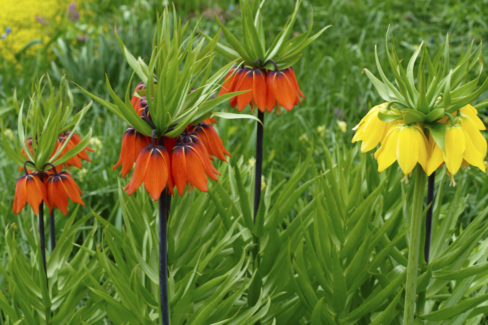
Once the Crown Imperial has found its footing in the soil, it’s ready to head into its winter dormancy. Believe it or not, these bulbs actually *need* the cold! Only bulbs that have experienced a proper winter chill will produce those stunning, vibrant blooms come springtime.
What your planting spot needs:
- Plenty of full sun
- Loose, well-draining soil
- Nutrient-rich earth
- No standing water (good drainage is key!)
One pro tip: hold off on the fertilizer when you’re first planting. You’ll want to wait until spring to give the soil a boost with some compost or a mineral-based fertilizer. Keep an eye out for those first green shoots popping up in the spring—that’s your cue! Usually, a single feeding between March and April does the trick. You can give them one more dose of nutrients once the blooming season has wrapped up.
Planting and Care Tips
When you’re ready to plant, pick a sunny spot and consider adding a drainage layer (like gravel or sand) to the bottom of the hole to prevent “wet feet.” After you’ve tucked the bulbs in, give them a light watering to settle the soil, but don’t overdo it—they don’t like to sit in a puddle.
The best part? A Crown Imperial planted at the right time is incredibly low-maintenance during the winter. Since the Crown Imperial is hardy, there’s absolutely no need to dig the bulbs up or bring them inside where it’s warm. In fact, doing that would mess with their natural growth cycle and likely leave you with fewer flowers next year. Just let them do their thing in the cold ground, and they’ll reward you in the spring!