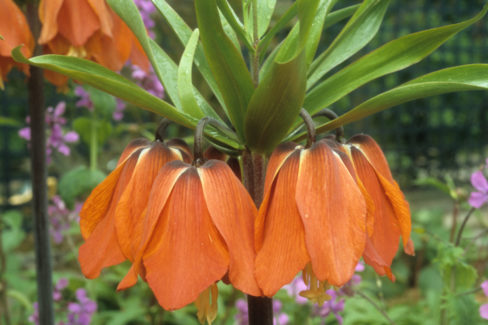
With their exotic, bell-shaped blooms, Crown Imperials bring a touch of the tropics right to your backyard. If you’re looking to add some serious “wow” factor to your garden, these stunning plants are the way to go. Here’s everything you need to know about when they bloom and how to keep them looking spectacular.
Appearance and Bloom Time
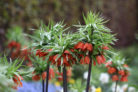
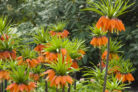
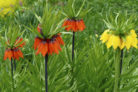
The Crown Imperial (*Fritillaria imperialis*) shows off its beauty with striking yellow, red, or orange bell-shaped flowers. If you give them the right TLC, you can expect these beauties to pop between April and May, with the blooming season often stretching into early summer.
To give your plants a little boost, try fertilizing them in March as soon as you see those first green shoots poking through the soil. Once the flowers have faded, you can give them one more feeding to help the bulb recharge for next year. Other than those two windows, you can take it easy on the fertilizer.
Pro-tip: Fertilizing for better blooms
- Use mature compost
- Opt for mineral-rich fertilizers
- Apply only twice a year
Location is everything! Make sure your Crown Imperials are soaking up plenty of sunlight. These plants crave warmth and sun to produce those iconic flowers. This means you’ll want to avoid planting them in the shadows of larger shrubs or trees. Give them a clear, sunny spot where they can really take center stage during the warmer months.
Why the Growth Cycle Matters
One of the best things about Crown Imperials is that they are hardy perennials. In fact, they actually *need* the winter chill to trigger their blooming cycle. Whatever you do, don’t dig up the bulbs to bring them inside for the winter! You’ll throw off their natural rhythm, and you might end up with no flowers at all the following spring.
If your Crown Imperial fails to bloom despite a cold winter and a sunny spot, there are a few usual suspects. It could be a lack of nutrients, or perhaps the soil isn’t quite right—they hate “wet feet” (standing water) but also don’t want to be bone-dry. Another common culprit is the Lily Leaf Beetle. Keep an eye out for these little red pests; you can usually just pick them off by hand, but if things get out of control, a garden-safe spray will do the trick.