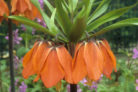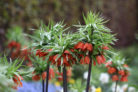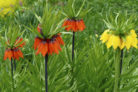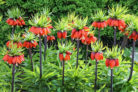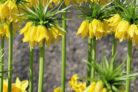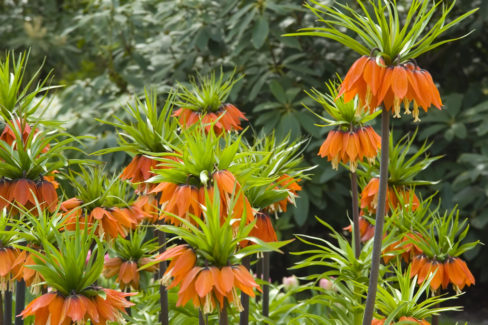
With a little pruning at the right time, you can really help your plants reach their full potential. The Crown Imperial (Fritillaria imperialis) is no exception! To get those stunning blooms year after year, it helps to understand its natural rhythm. Here’s the lowdown on when and how to grab your shears.
A Persian Beauty for Your Garden
The Crown Imperial originally hails from Persia, where it’s used to warm summers and the occasional dry spell. But don’t let its exotic roots fool you—this plant is tough. The Crown Imperial is quite hardy and can handle the winter just fine. In fact, the bulbs actually *need* a cold snap to trigger new growth and those iconic bell-shaped flowers in the spring.
One quick safety tip before you get started: Crown Imperial bulbs are toxic, and the sap in the leaves can also contain irritating substances. It’s always a smart move to wear a pair of gardening gloves when you’re pruning to keep your skin protected. Also, if you’re storing dry bulbs indoors, make sure they’re tucked away safely out of reach of kids and pets.
How to Prune Your Crown Imperial
The golden rule here is patience. You’ll want to wait until well after the Crown Imperial’s blooming season is over. Hold off on pruning until the flowers have faded and the leaves have turned yellow and wilted. This allows the plant to pull all that energy back into the bulb for next year.
When you finally make the cut, leave a small stub of the stem (just a few inches) above the ground. This acts as a handy marker so you know exactly where the bulbs are buried, preventing any “oops” moments where you accidentally dig them up while working on other garden projects.
Your Quick Pruning Checklist:
- Grab your garden shears.
- Put on your gardening gloves.
- Identify the plants with completely wilted, yellow foliage.
- Cut the stem back to just a few inches above the soil line.
If you’re tidying up the garden bed or planting new bulbs nearby, try not to pile too much extra soil over the existing bulbs. Keeping the soil level consistent makes it easier to remember where they are, and it ensures those fresh shoots have an easier time breaking through the surface when spring rolls around again!