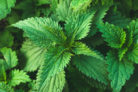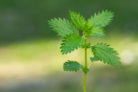
For most folks, stinging nettles are nothing more than a backyard nuisance. You don’t see nettle soup on the dinner table too often these days, and most people reach for the medicine cabinet rather than a cup of nettle tea to soothe their aches and pains. But what’s even less common is knowing just how powerful “nettle tea” (or nettle manure) can be as a secret weapon in your garden.
A Natural Enemy for Aphids
With organic produce becoming the gold standard at the grocery store, more and more home gardeners are ditching the harsh chemical pesticides. Instead, we’re looking for natural ways to keep pests and diseases at bay. One of the biggest headaches for any gardener? Aphids. Fortunately, fermented nettle juice is a reliable, eco-friendly way to send them packing.
Handle with Care
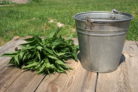
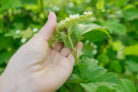
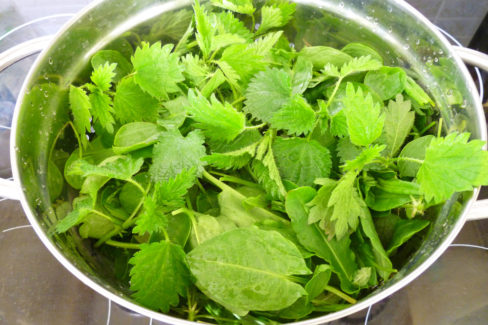
Before you get started with this natural pest control, there are a few hurdles to clear. First off, harvesting the nettles requires some serious prep work. You definitely want to avoid those painful, stinging welts on your skin! To keep things safe, make sure you’re wearing thick, long sleeves and heavy-duty, waterproof gloves before you start picking.
Not for the Faint of Heart (or Nose)
Processing your freshly picked nettles is where things get a little… fragrant. There’s a reason people call this stuff “nettle manure”—it has a seriously pungent stink. It’s great for killing aphids, but it’s also pretty effective at clearing a room! Here is how you brew your own batch:
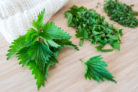
- Fill a bucket or a barrel about three-quarters full with chopped nettles.
- Pour in water until the container is almost full.
- Cover it up and let it sit for about three weeks.
A good rule of thumb is to use about 2.5 gallons of water for every two pounds of nettles. Pro tip: Place your container far away from the house or the patio so you don’t have to catch a whiff every time you step outside.
Tackling the Aphid Problem
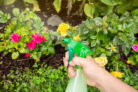
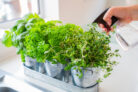
Once your nettle brew is finished fermenting, dilute it with water at a 1:10 ratio. Pour the mixture into a spray bottle and apply it directly to the plants where those pesky aphids are hanging out. Try to do this on a cloudy day; this prevents the mixture from evaporating too quickly and protects your leaves from getting “sunburned” by the sun hitting the liquid.