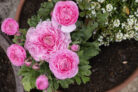
Ranunculus, a stunning member of the buttercup family, is technically a bulbous plant. You’ll often hear people call the bulbs “tubers,” but honestly, neither word really does justice to what these unique little storage organs actually look like!
That Weird Little Bulb
The light brown bulb of a Ranunculus looks a lot like a tiny octopus. It has a thick top section with several tentacle-like roots hanging down. When you’re ready to plant, make sure those “tentacles” point downward into the soil—the new shoots will eventually sprout from the center point where all those legs meet.
Getting Them in the Ground
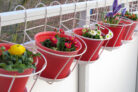
If you want those gorgeous, rose-like blooms in the spring, timing is everything. Ideally, you’d start them in the fall. However, since Ranunculus are pretty sensitive to freezing temperatures, it’s best to plant them in pots and let them overwinter in a cool, dark, frost-free room. If you prefer planting directly in the garden, wait until March or whenever the threat of frost has passed. Here’s how to get your planting done right:
- Soak the bulbs in water for a few hours before planting to give them a head start.
- If you’re using pots, make sure to add a drainage layer at the bottom before adding soil.
- For garden beds, a thin layer of grit or gravel is a smart move to prevent soggy roots.
- Plant the bulbs about 2 inches deep with the “tentacles” facing down.
- Cover with soil and press down firmly, but don’t water them yet!
- Wait to water until you see the first green shoots popping up.
Propagation
During the growing season, Ranunculus bulbs produce “offsets” or baby bulbs. These are smaller than the mother bulb and are perfect for growing your collection. When you dig up the main bulb for the winter, just gently snap these little guys off and store them. You can plant them right along with the others the following fall (or spring).
Winter Care
Ranunculus bulbs are not very cold-hardy. Unless you live in a very mild climate, they won’t survive a freeze in the ground. Even in warmer areas, they’ll need a cozy blanket of brushwood, compost, or a few layers of garden fleece to make it through.
If your winters get seriously cold, your best bet is to dig them up and move them into “winter quarters.” Just lift the bulbs, shake off the excess dirt, and wrap each one in newspaper. Store them in a box of sand or a wooden crate in a spot that is frost-free, dry, dark, and well-ventilated. A basement, attic, or even a garage usually works perfectly!