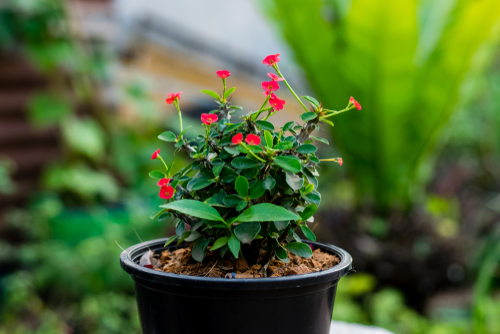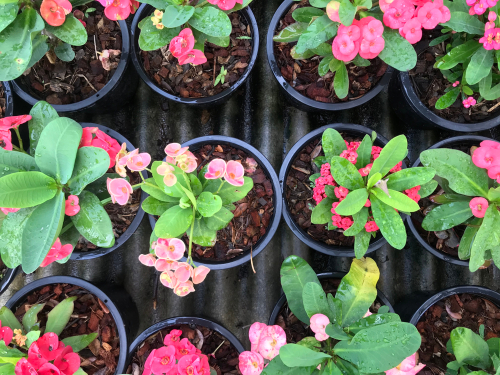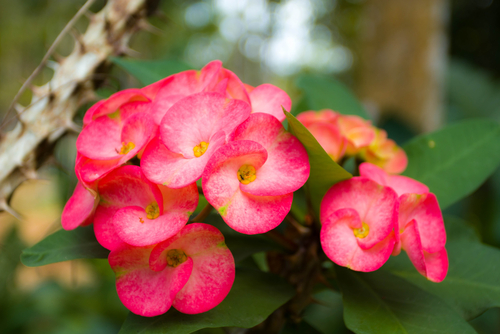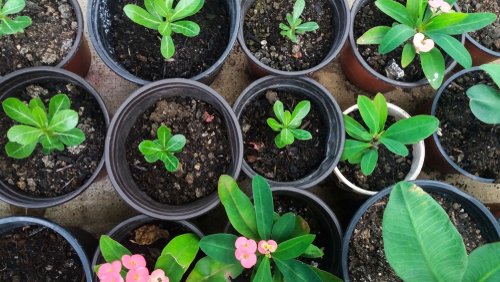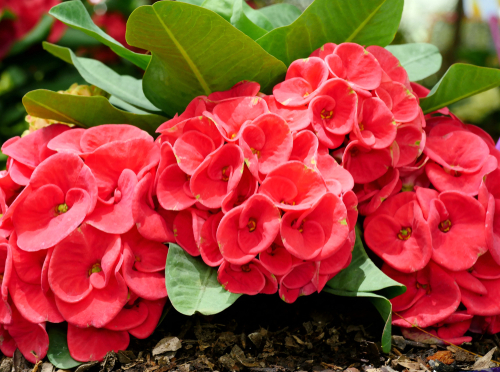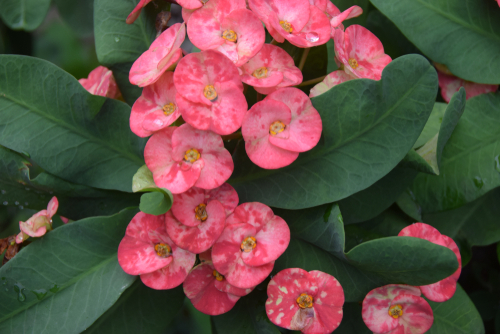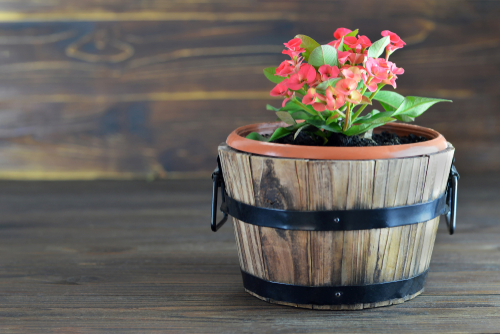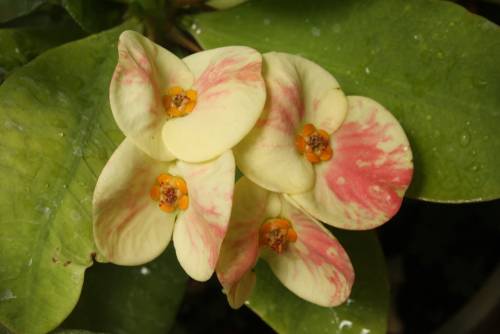
Hailing all the way from Madagascar, the Crown of Thorns is one of those wonderfully hardy plants that’s perfect for busy (or forgetful!) indoor gardeners. It’s tough enough to handle dry indoor air and is pretty forgiving if you miss a watering. However, if you start seeing yellow leaves, you’ll want to act fast to keep your plant from heading downhill.
Why are the leaves turning yellow?
Most of the time, yellowing leaves are a cry for help because your Crown of Thorns isn’t happy with its current spot. If you notice discoloration followed by leaf drop, the best thing you can do is move it immediately. Find a place that is bright, warm, and has good airflow—usually, you’ll see the plant bounce back in just a few days. If your plant is currently spending its summer outdoors on a patio or balcony, make sure it’s tucked away from heavy rain and protected from harsh, direct midday sun.
Yellow leaves can also be a red flag for nutrient deficiencies or overwatering. In both cases, you’ll need to adjust your care routine right away. If left unchecked, the plant will drop all its leaves and eventually die.
Finding the Perfect Spot
Even though the Crown of Thorns is a low-maintenance favorite, it does have a few “must-haves” when it comes to its environment. Whether indoors or out, its happy place:
- Is warm (but stays under 85°F/30°C)
- Is sunny, but protected from intense, direct scorching sun (especially at noon)
- Has plenty of fresh air circulation
- Is shielded from heavy rain
- Has relatively low humidity
Watering and Soil Tips
Your plant will reward you with plenty of blooms if you get the soil and watering balance just right. Here’s what I recommend:
- Stick to regular but moderate watering during the growing and blooming seasons.
- Always let the top layer of soil dry out before grabbing the watering can.
- During its dormant “dry rest” period, cut back significantly on water, stop fertilizing, and move it to a slightly dimmer spot.
- Keep the temperature a bit cooler during dormancy, but never below 60°F (15°C).
- Use standard potting soil mixed with a bit of clay granulate or perlite to improve drainage.
- Avoid “wet feet” at all costs! Standing water leads to root rot very quickly.
- Always empty the saucer after watering.
- Feed it with liquid cactus fertilizer every two weeks during the growing season.
- Use a pot with drainage holes and consider adding a drainage layer at the bottom.
- Don’t repot too often; it’s best to do it right after the dormant period.
- Avoid repotting in cold rooms to prevent shocking the plant.