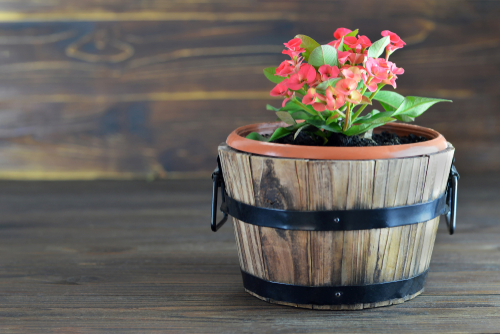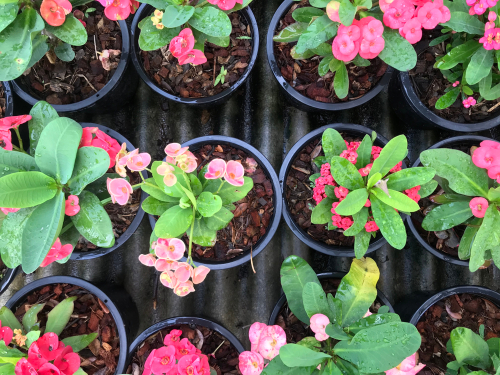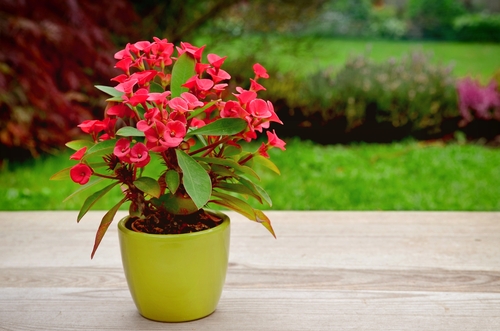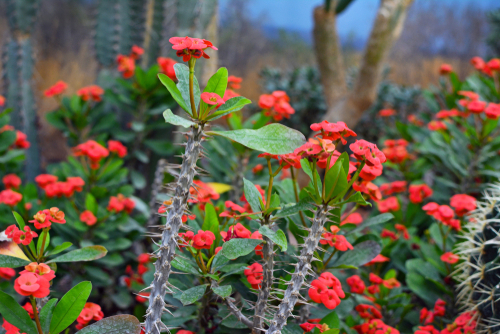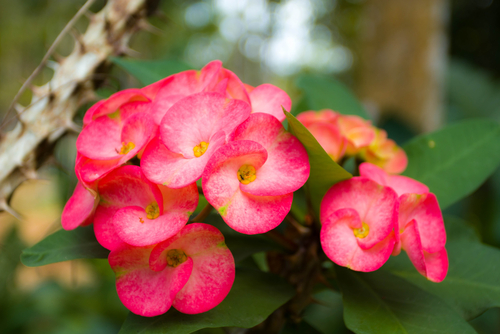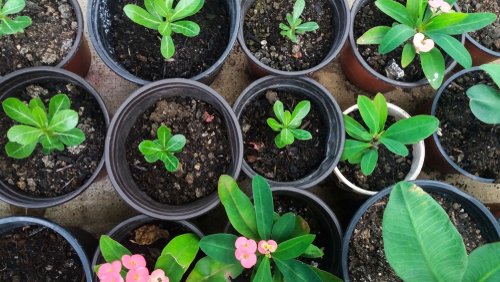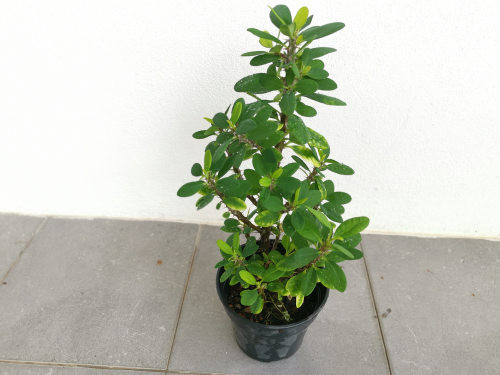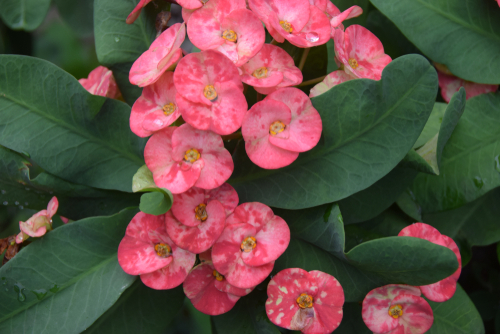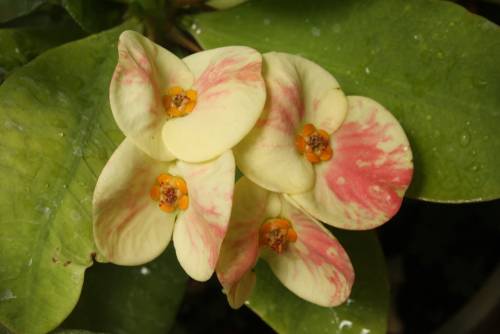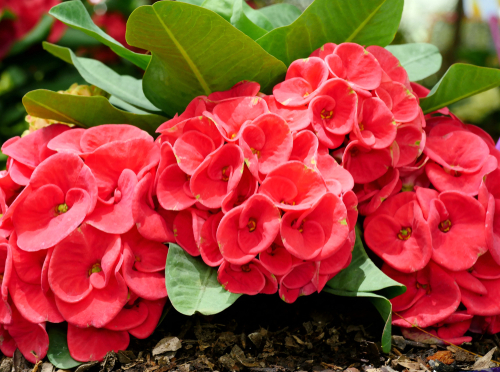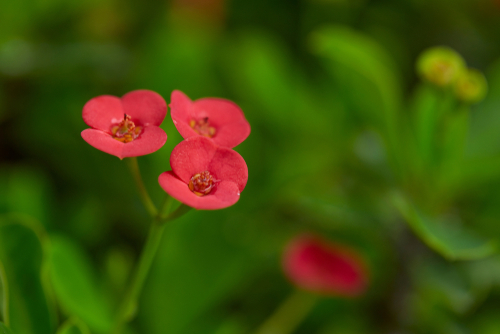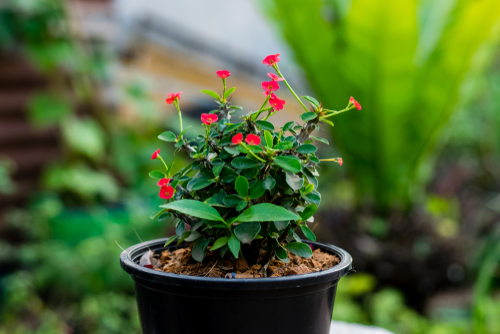
The Crown of Thorns hails from the tropical landscapes of Madagascar, so it’s definitely a fan of the heat. Back home, it only knows two seasons: dry and rainy. Since it never deals with chilly weather or freezing temps in the wild, this plant is definitely not frost-hardy.
Taking Your Crown of Thorns Outdoors
During the warm summer months, your plant will absolutely love being outside. That fresh air does wonders for making it grow strong and healthy. If you’re planning on moving yours to the patio, here are a few things to keep in mind:
- Wait until the threat of frost has completely passed (usually after the “Ice Saints” in mid-May) before moving it to the garden or balcony.
- It’s happiest when temperatures stay between 60°F and 85°F.
- Give it an adjustment period! Start by putting it in the sun for just a few hours a day.
- After about two weeks of “hardening off,” it’s ready for its permanent summer spot.
Finding the Perfect Spot
You’ll want a location that is sunny and consistently warm. While it can handle direct sunlight, it’s a good idea to provide a little shade during the intense midday heat. It can survive in partial shade, too, but keep in mind you’ll get fewer of those beautiful blooms. As for watering, keep it regular—just wait until the top layer of soil feels dry to the touch before giving it another drink.
The Best Soil Mix
The ideal soil for a Crown of Thorns is slightly acidic, sandy, and rich in organic matter. Standard potting soil from the store usually won’t cut it on its own. Your best bet is to mix your own substrate using potting soil, quartz sand, and some lava rock or pumice. This ensures the soil drains well while still giving the roots enough structure to hold onto.
Dealing with Mildew
One thing to watch out for is humidity. The Crown of Thorns isn’t a fan of damp air, which can lead to powdery mildew—that annoying white fungus that spreads across the leaves. If you spot it, move the plant away from your other greenery immediately. Mildew is super contagious! You’ll need to use a fungicide to get rid of it, as home remedies usually aren’t strong enough to kick this specific fungus.
Moving Back Indoors
If summer temperatures start soaring above 90°F, it’s actually best to bring the plant to a cooler area until the heatwave passes.
Once the thermometer starts dipping below 60°F, it’s time for your Crown of Thorns to move back into the living room. This marks the start of its “dry rest” period, which is essential if you want plenty of flowers next spring. During this dormant phase, the room can be a bit cooler, and the plant only needs about ten hours of light per day.