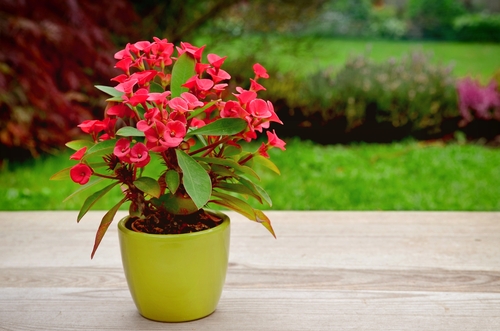
The Crown of Thorns is one of those awesome, low-maintenance houseplants that can brighten up your home for years. But don’t let its “easy-going” reputation fool you—it still needs a little TLC to stay happy. Along with a bit of fertilizer, getting your watering routine down is the secret to success. If you mess up the water, you could end up doing some serious damage to your plant.
How to Water Your Crown of Thorns Just Right
Since the Crown of Thorns is native to Madagascar, it’s naturally used to a cycle of dry and rainy seasons. To keep it thriving, you’ll want to mimic that rhythm. During its active growing phase (usually May through October), give it a drink regularly but moderately. A good rule of thumb is to wait until the top layer of soil feels dry to the touch before watering again. Be careful not to let the entire root ball dry out completely, though—if things get too parched, your plant might drop all its leaves and flowers in protest! If you do accidentally let the soil get bone-dry, move the plant to a cooler spot and water it very sparingly. Once you see new growth starting to peek out, you can move it back to its sunny window and resume your normal routine. During its “nap time” from November to April, cut back on the water. This dry rest period is actually what triggers the plant to produce those beautiful blooms later on.
On the flip side, “wet feet” (standing water) is just as dangerous as a drought. The Crown of Thorns absolutely hates sitting in soggy soil. If water pools in the pot, the roots will rot pretty quickly, and you might lose the plant entirely. Always make sure your pot has a drainage hole so excess water can escape, and be sure to empty the saucer shortly after watering. A pro tip to prevent root rot is to add a drainage layer when you repot. Just put a layer of expanded clay pebbles or coarse gravel at the bottom, cover it with a piece of landscape fleece, and then add your potting mix.
Signs Your Watering Routine Is Off
If your Crown of Thorns isn’t happy with its water situation, it’ll definitely let you know. Here are some common red flags:
- Root rot caused by standing water, especially if you overwater in the winter or leave water sitting in the decorative planter.
- Losing leaves because the soil has been dry for too long.
- Dropping buds and flowers due to a lack of moisture.
- Fungal infections that take hold because the plant is weakened by watering mistakes.
- Mildew issues if the humidity is too high (luckily, these plants actually love the dry air from our heaters!).