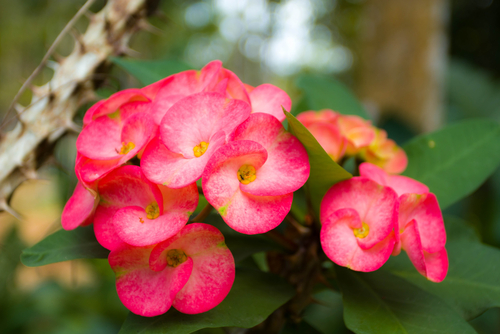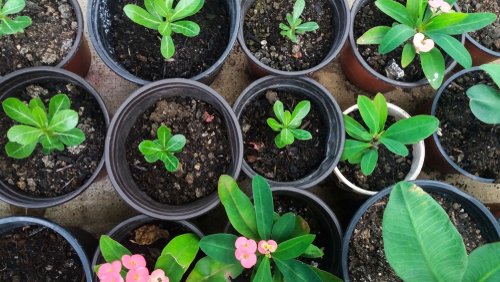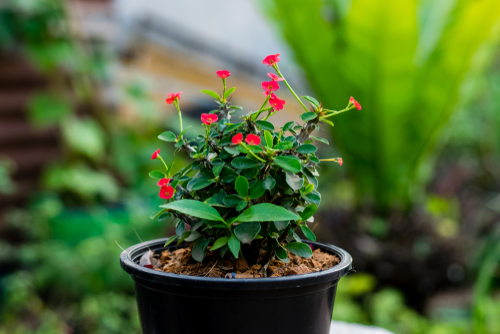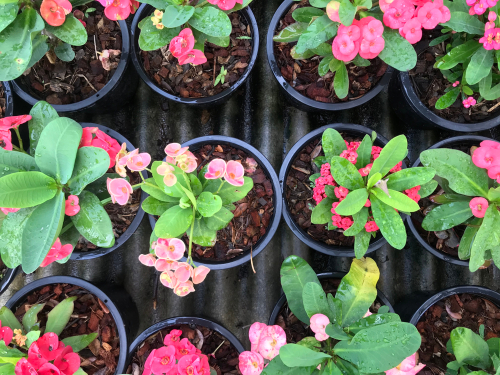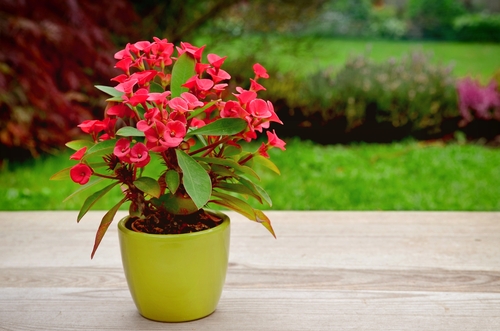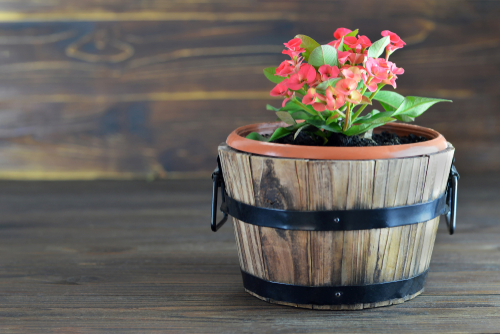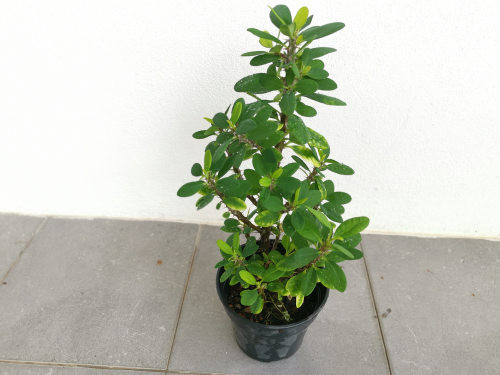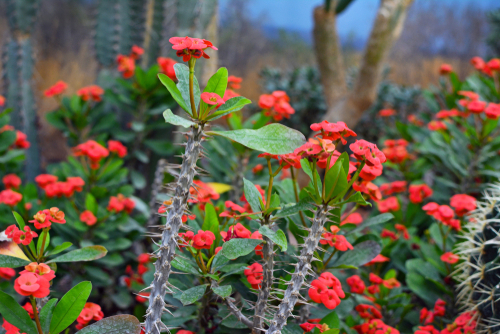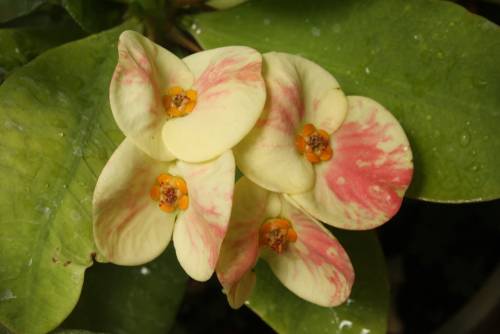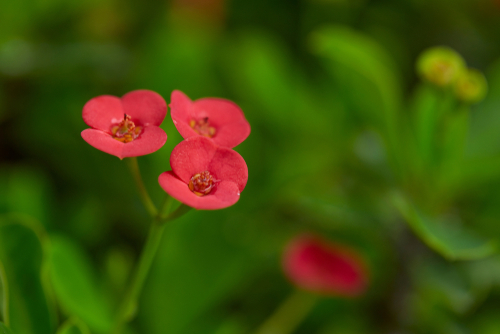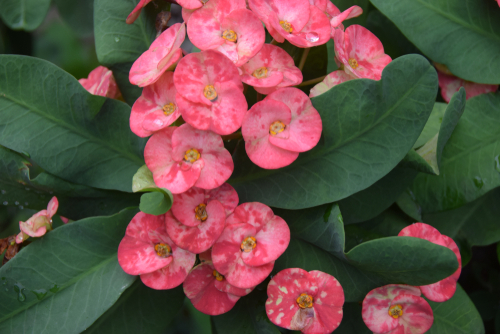
The Crown of Thorns is a staple in many homes, and for good reason! With its pretty blooms and easy-going personality, it’s a total rockstar of the houseplant world. It actually thrives in dry indoor air and is incredibly forgiving if you forget about it once in a while. If you’re just starting your indoor gardening journey, this is a fantastic plant to cut your teeth on.
When your Crown of Thorns is struggling
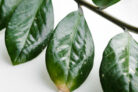
If you notice your plant dropping leaves or flowers, turning yellow, or sporting a weird white coating, something is definitely up. Usually, it’s a sign that the care routine needs a little tweak. The good news? Pests rarely bother this plant because its milky sap is actually toxic to bugs—nature’s own built-in defense system!
Not enough water
If your Crown of Thorns gets too thirsty, it’ll start dropping its leaves one by one. If this happens, you need to act fast. Move the plant to a slightly cooler spot and start giving it small sips of water, gradually increasing the amount over time. Before you know it, you’ll see new green leaves sprouting back.
Too much water
On the flip side, overwatering or letting the plant sit in a puddle inside its pot is a recipe for disaster. This leads to root rot, which prevents the plant from soaking up nutrients. If you notice standing water, you need to repot the plant immediately. Gently remove the soggy soil and trim away any rotted roots. Put your Crown of Thorns into fresh, dry substrate and hold off on watering entirely for the first few days. After that, ease back into a regular routine with small amounts of water. Pro tip: Always let the top layer of soil dry out before watering again.
You can prevent drainage issues from the start by adding a layer of clay pebbles or coarse gravel at the bottom of the pot. Cover that with a bit of landscape fleece so the soil doesn’t wash away, then plant as usual.
Powdery Mildew
To keep your Crown of Thorns happy, try to check these boxes for its location:
- Lots of bright light
- Good airflow
- Plenty of warmth (always above 65°F/18°C)
- A south-facing window with direct sun is perfect
- Low humidity (it actually loves dry heater air!)
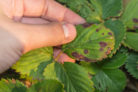
If you keep your plant in a humid room, you might run into powdery mildew—that fuzzy white coating on the leaves. Home remedies don’t usually cut it for this fungal issue, so it’s best to use a fungicide. Most importantly, move your plant to a drier spot to prevent the mildew from coming back.