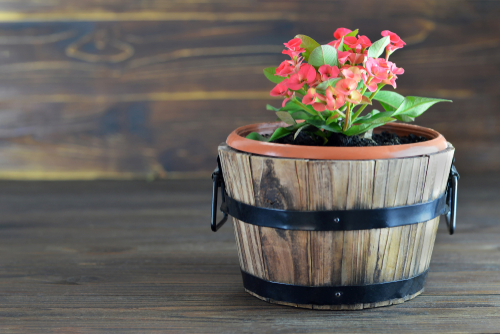
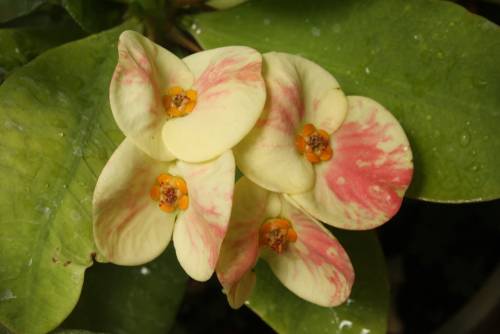
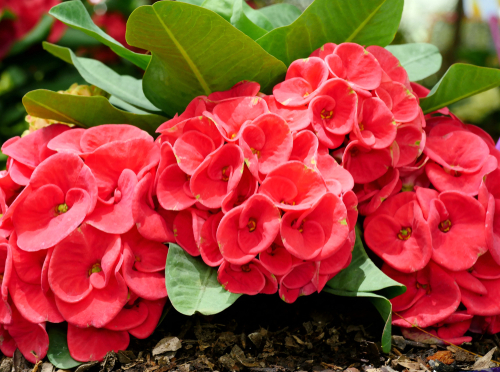
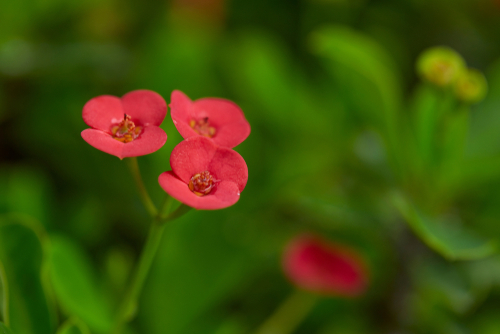
The Crown of Thorns is a super low-maintenance houseplant that adds a touch of delicate beauty to any sunny windowsill. While you don’t need to worry about a strict pruning schedule, giving it a little trim every now and then keeps it looking its absolute best.
When should you prune a Crown of Thorns?
If you keep your Crown of Thorns indoors at room temperature, you can actually prune it year-round. Most of the time, we prune to maintain a nice shape or to snip off any damaged bits. However, the absolute best time for a major haircut is in the spring, right before the plant starts its new growth spurt.
How to trim your Crown of Thorns
If the weather is nice, I recommend doing this outside. If you’re working indoors, lay down some old newspaper to catch the mess. A quick heads-up: this plant produces a milky sap that is toxic, so make sure kids and pets are in another room while you work. First things first—disinfect your tools! Keeping your blades sterile is key to preventing any plant diseases from moving in.
- Grab a sharp knife or a pair of clean garden shears.
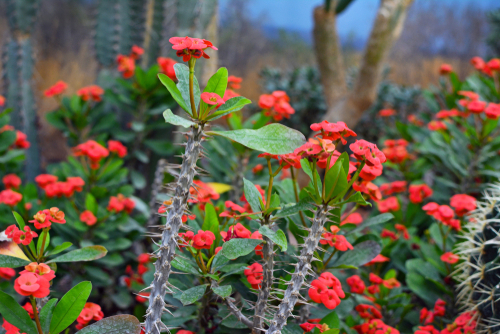
- Put on a pair of thick gardening gloves—those thorns are no joke!
- To encourage a fuller, bushier look, trim the main stem back by about a third.
- Dab the “wound” with a little charcoal ash or a piece of paper towel to stop the sap from dripping.
- Dispose of the clippings safely in the trash where no one will accidentally touch them. Remember, that sap is an irritant!
The pros and cons of pruning
The biggest plus of pruning is definitely the aesthetics—you get to choose the shape! Plus, you can use those cuttings to propagate brand-new plants. The Crown of Thorns is surprisingly hardy when it comes to pruning; it can handle losing up to two-thirds of its size if it’s gotten too leggy.
The main downside is that toxic sap. It can cause nasty skin irritation and is dangerous if ingested by kids or pets. That’s why it’s so important to keep them away while you’re working.
Pruning due to pests or disease
Even though the Crown of Thorns is a tough cookie, it can occasionally run into health issues. You’ll usually spot trouble on the leaves first. If you see a white, powdery coating, you’re likely dealing with powdery mildew. This usually happens in the winter if the air in your home is too humid. If you see this, be aggressive—cut away the affected parts, even if you have to cut into the healthy wood. If you notice brown or wilting leaves, it’s usually just a sign of stress from being moved or from the soil getting too dry. You can simply snip those off to tidy things up.