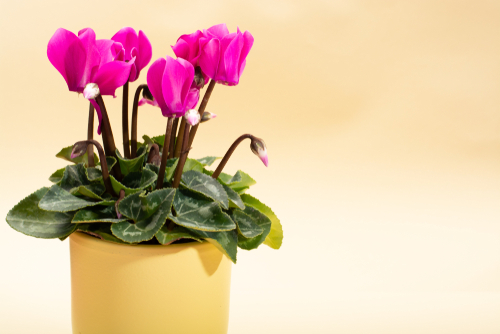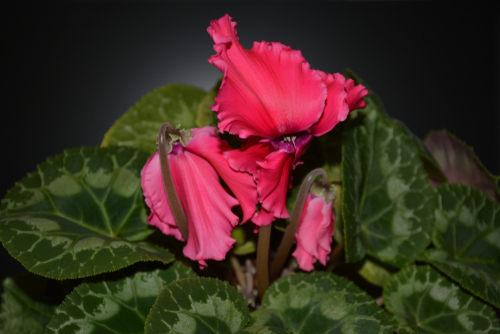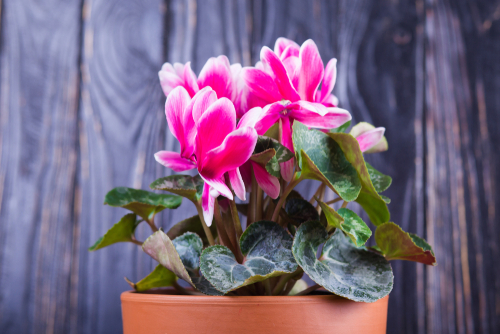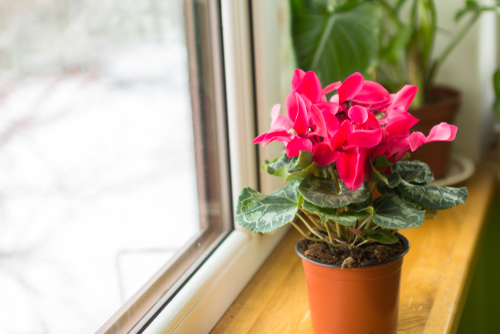
Cyclamens are a total favorite for indoor gardeners, mostly because of those delicate, nodding blooms that brighten up our windowsills right when we need it most—during the chilly fall and winter months. But as much as we love their look, there’s a major “heads up” you need to know: the entire plant is actually toxic.
What’s Hiding Inside a Cyclamen?
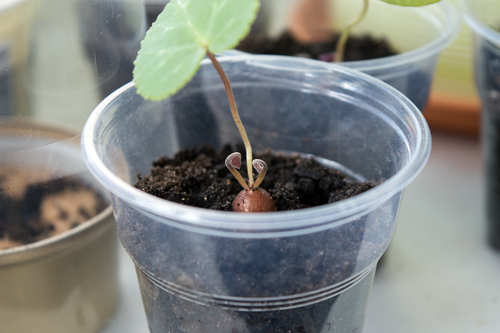
Every part of the cyclamen contains toxins, but the real danger is concentrated in the tuber (the bulbous root). It’s packed with a few things you definitely don’t want to ingest:
- Cyclamin
- Triterpene saponins (sugar alcohols based on carbon and isoprene)
- Glycosides
- Triterpenes
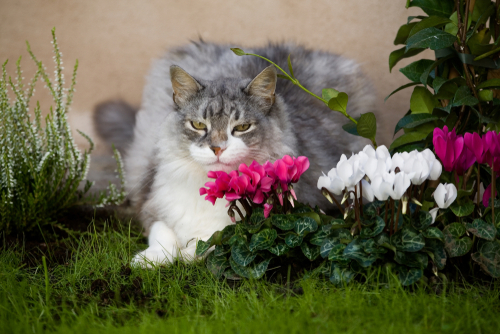
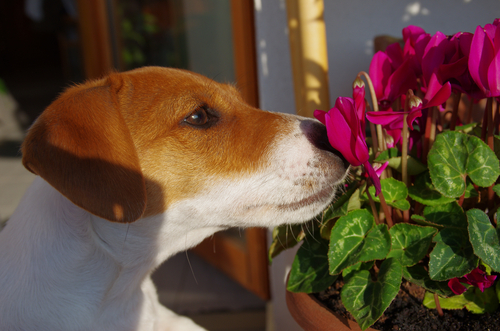
These compounds give the plant a super bitter taste, which is nature’s way of telling hungry animals to stay away. If you’re growing these at home, you’ve got to be extra careful. Keep them high up and out of reach of kiddos and pets. While you can explain the “no-touch” rule to older kids, cats are a different story—they’re at high risk because they’re so curious. Also, make sure to toss any fallen leaves or spent blooms immediately so your dog doesn’t decide they’re a snack. Honestly, if you have a curious toddler or a pet that eats everything in sight, the safest bet is to skip the cyclamen entirely.
Signs of Poisoning
Even eating a small amount of the flowers, leaves, or tubers can cause a reaction. Here’s what to look out for:
- Vomiting
- Diarrhea
- Stomach cramps and colic
- Circulatory issues
- Respiratory paralysis (in severe cases)
- Fever
- Dizziness
If you suspect your pet has nibbled on a cyclamen, get them to drink plenty of water right away and call your vet immediately.
How It Affects Our Furry Friends
Cats don’t have the strongest sense of smell or taste, so they tend to explore the world with their mouths. If something looks interesting, they’ll take a bite. Because they might not notice the bitter warning signs, they can end up eating quite a bit of the plant. This leads to upset stomachs, irritated mucous membranes, and in the worst-case scenarios, seizures or trouble breathing. A quick trip to the vet is essential to prevent long-term damage.
Dogs—especially puppies and seniors who might have a duller sense of smell—aren’t always deterred by the plant’s scent either. If a dog eats part of the plant, you’ll likely see vomiting, diarrhea, or coordination issues. The tuber is the most dangerous part for dogs; while the leaves and flowers are less potent, they can still cause a lot of trouble. Just like with cats, if your dog gets into the cyclamen, don’t wait—get them to a vet!