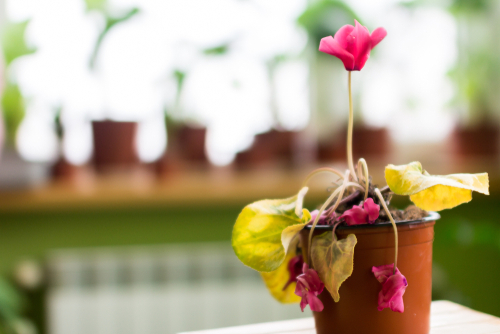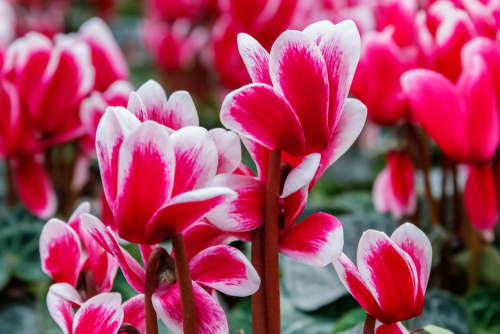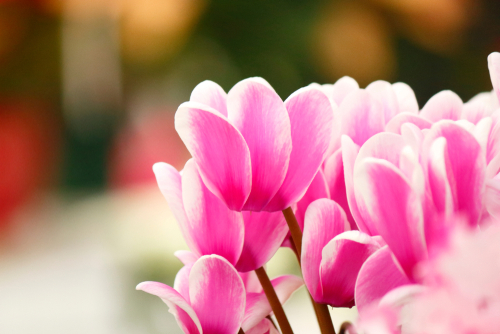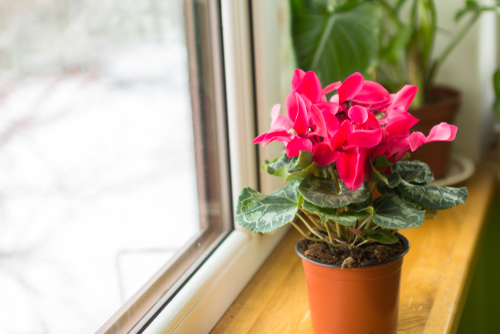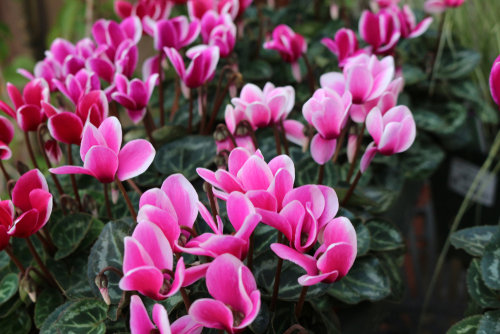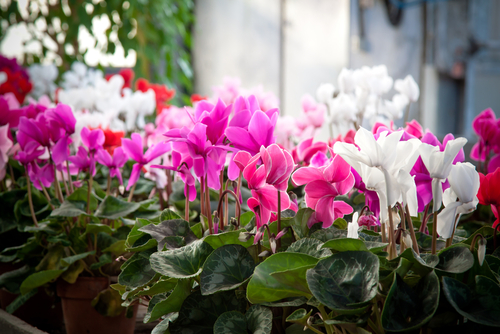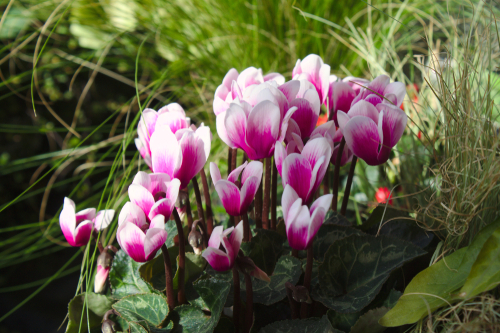
Cyclamens are absolute classics for indoor spaces, and lately, more and more gardeners are falling in love with the hardy outdoor varieties, too. Both types are total showstoppers with those delicate red, pink, or white blooms. However, once the flowering season ends, they can look a little… sad. First the flowers wilt, and then many varieties lose their leaves entirely. You might be wondering: is it time to toss them, or can you keep them going?
The End of the Bloom
Indoor cyclamens usually put on a show from fall through early spring. By May, they’re typically done and ready to head into a well-deserved dormant phase. Outdoor varieties are a bit different—depending on the type, they can keep blooming well into November. Here’s a quick cheat sheet:
- Indoor Cyclamen: Usually finishes blooming by May.
- European Cyclamen: Blooms through late September.
- Spring Cyclamen: Blooms from early to late April.
- Ivy-leaved Cyclamen: Blooms through late October.
- Greek Cyclamen: Blooms until November.
You’ll know your cyclamen is winding down when the flowers start drooping and drying out. When this happens, give the wilted stems a quick twist and a tug right at the tuber to remove them. Do the same for any yellowing or limp leaves. Pro tip: Wear gardening gloves! Cyclamens are toxic in all parts, and touching them can cause skin irritation for some people. Once the flowers and leaves are gone, the plant is just resting and recharging its tuber for the next season. Outdoor varieties will often drop seeds right before dormancy to spread naturally. If you have an indoor variety, you can actually let it spend its “summer vacation” outside in the garden!
Finding the Right Spot
If you want to move your indoor cyclamen into the garden for the summer, it’s super easy as long as you pick the right spot. Here’s what they’re looking for:
- A shady or partially shaded area.
- No direct, scorching sunlight.
- Underneath hedges or shrubs is usually the “sweet spot.”
If you decide to take it out of the pot and plant it in the ground, make sure your soil meets these requirements:
- Loose and well-draining.
- Not too heavy on the fertilizer (low nutrient).
- Rich in humus.
- Neutral to alkaline pH.
- Absolutely no standing water (they hate soggy feet!).
If you’ve successfully helped your cyclamen survive the summer outdoors, you can bring it back inside as soon as you see those first new shoots popping up in the fall!