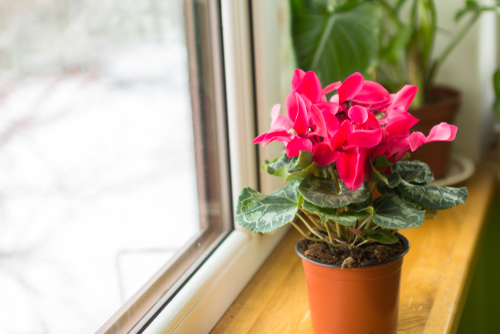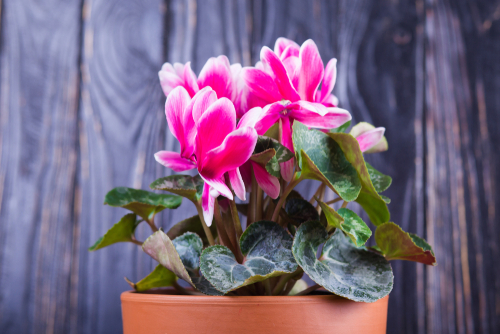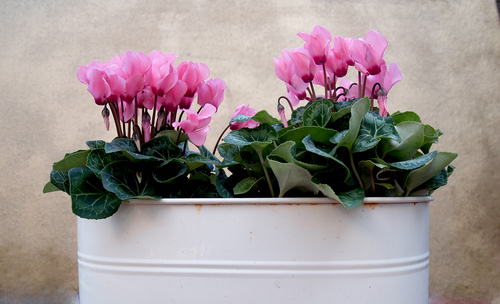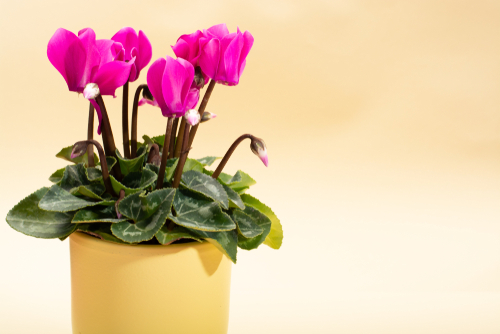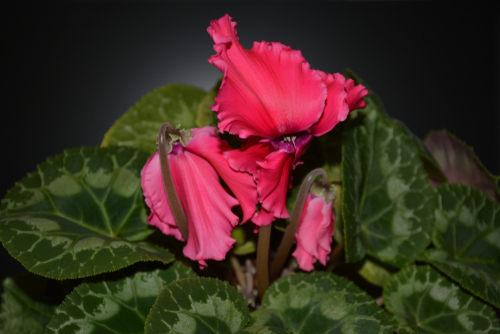
Cyclamens are such a classic indoor favorite! With those delicate, butterfly-like blooms, they’re the perfect way to add a pop of color to your home during the gloomy winter months. Because they grow from a tuber (a bulb-like storage organ), they have a built-in “pantry” of nutrients, but that doesn’t mean they can go forever without a snack. If you want them to really thrive, regular fertilizing is key.
When and How to Fertilize
Part of being a good “plant parent” to your Cyclamen is keeping up with a feeding schedule to prevent nutrient deficiencies. Without a little help, your plant might look a bit stunted, produce fewer flowers, and become more susceptible to pests or stress.
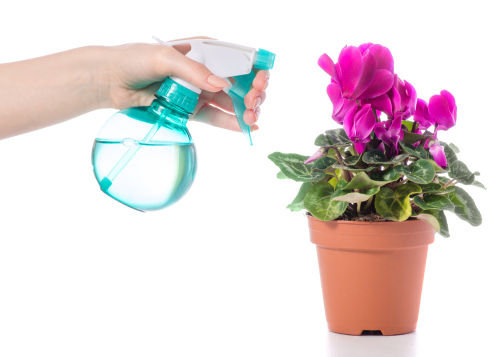
The most important time to fertilize is right before and during the blooming season when the plant is working overtime. For indoor potted Cyclamens, a liquid fertilizer every two weeks works wonders. If you’re more of a “set it and forget it” gardener, fertilizer sticks are a great alternative since they release nutrients slowly over time. If you have your plants out in a garden bed, you only need to fertilize every 2 to 3 months—mixing in some well-aged compost is a fantastic organic option here.
Why Fertilizing is a Game Changer
Cyclamen enthusiasts know that the secret to keeping these beauties coming back year after year is proper nutrition. Here’s why it matters:
- It’s essential for a massive flush of flowers.
- It helps the blooming season last much longer.
- It boosts the plant’s “immune system” against pests and diseases.
- It provides the foundation for the plant to live for many years.
The Dormancy Period
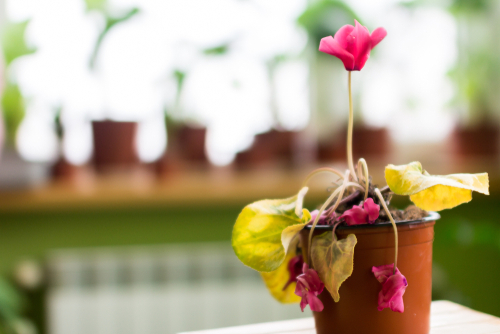
By late spring, your Cyclamen will start to look a little tired—the flowers fade and the leaves turn yellow. Don’t worry, it’s not dying! Just pluck the old stems and leaves from the tuber; your plant is simply heading into its summer nap. During this time, the tuber is recharging for the next round of blooms. For about two months, stop fertilizing entirely and cut back significantly on watering.
If you have a yard, you can actually move your Cyclamen outside during its recovery phase. A shady spot under a hedge or some shrubs is perfect—just make sure it’s protected from direct sun and harsh winds. Keep the soil slightly moist, but never soggy.
Once you see the first signs of new growth, you can repot the plant or even divide the tuber to propagate it. As soon as those first tiny leaves or buds appear, move it back to its usual indoor spot, resume regular watering, and get back to that every-two-week fertilizing routine. Do this, and you’ll be rewarded with a stunning floral show!