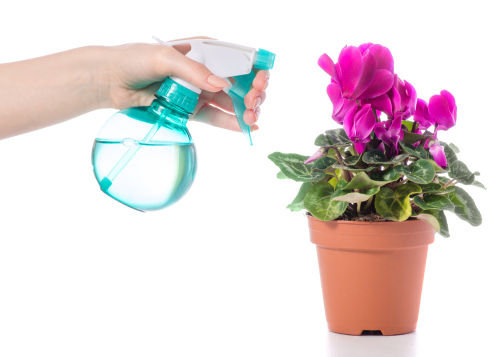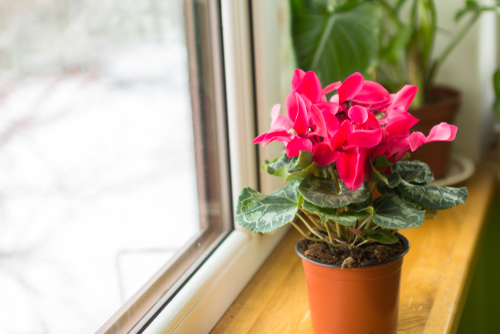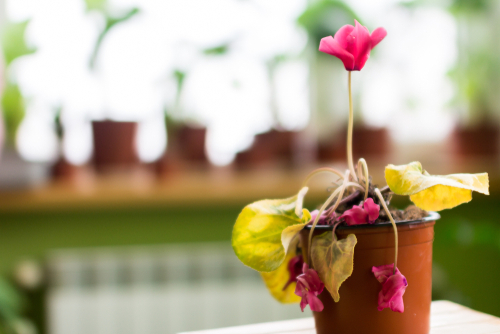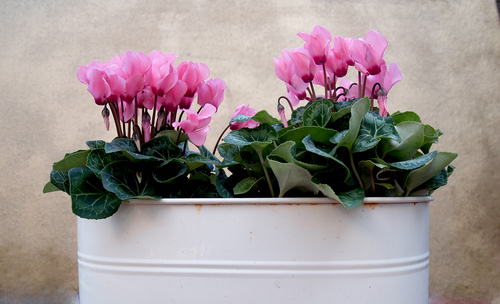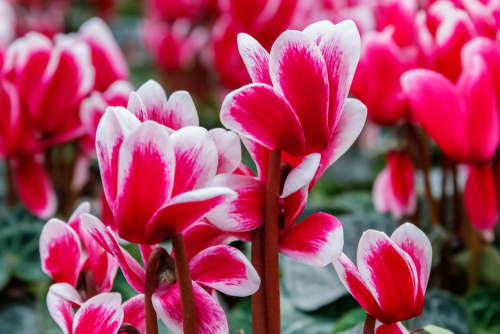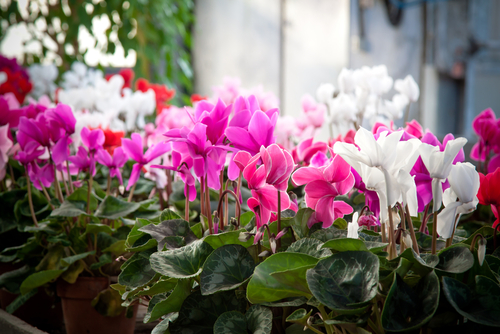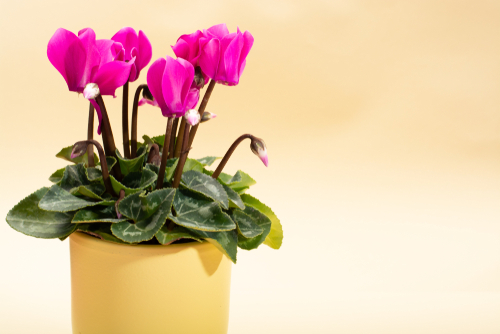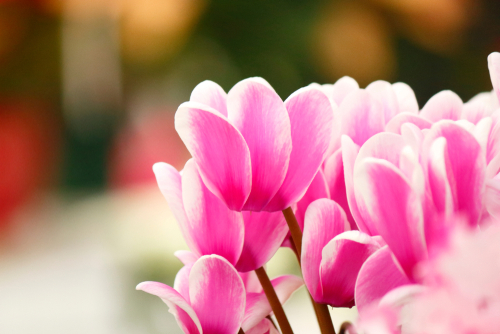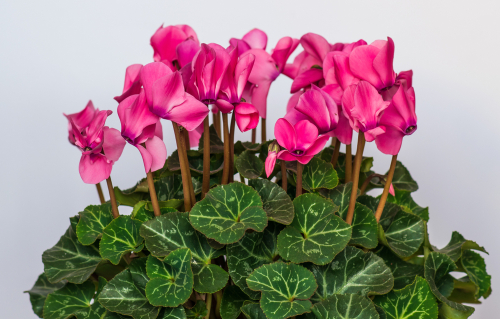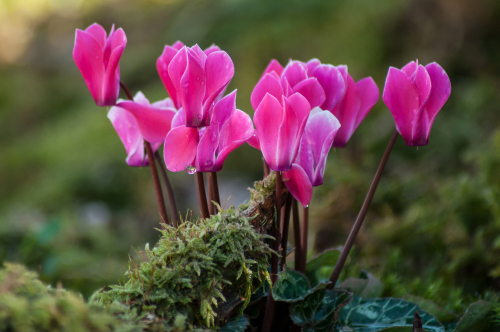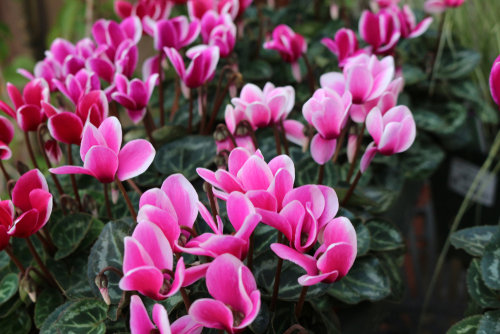
Cyclamens are such classic houseplants, but let’s be real—they can be a little dramatic if they aren’t treated just right. If you’ve ever seen the leaves wilt or the flowers start drooping, you’re not alone! Usually, the culprit is a watering mishap. While these beauties love their hydration, they absolutely hate “wet feet” (standing water). Their tubers are especially sensitive to rot.
How often should you water your Cyclamen?
Finding the perfect watering rhythm is easier than you think. Just use the “finger test”—stick your finger in the soil, and if the top layer feels dry, it’s time for a drink. How often this happens depends on where your plant is hanging out. Ideally, Cyclamens love a cool, shady spot. If things get a bit warmer or the sun peeks through, the soil will dry out faster, so keep a close eye on it!
The best ways to water
Your Cyclamen is thirstiest when it’s in full bloom. The best trick? Water from the bottom. Place the pot in a saucer and fill the saucer with water. Use room-temperature water that’s been sitting out for a bit (or better yet, use rainwater). Let the plant soak for about 30 minutes, then pour out any leftover water. This ensures the plant gets what it needs without sitting in a swamp.
Avoid watering from the top, because the sensitive tuber can rot quickly if it gets wet. Plus, the leaves and flowers aren’t fans of getting splashed. You can also try the “dunking” method:
- Fill a bucket or a deep bowl with water.
- Set the pot inside the water.
- Make sure the water level stays below the tuber, leaves, and flowers.
- Once the air bubbles stop rising, the soil is fully hydrated.
- Take the pot out of the water.
- Let it drain thoroughly before putting it back in its spot.
Watering Cyclamens in the garden
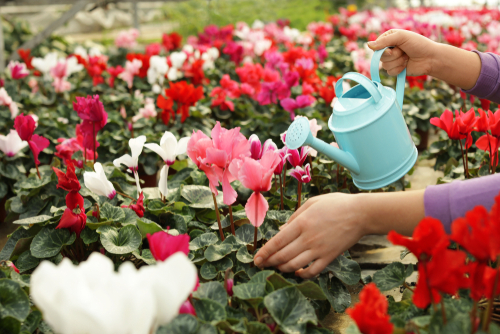
If you’re growing Cyclamens outdoors (hardy varieties like the Eastern Sowbread or Ivy-leaved Cyclamen are great for this), they love a shady spot with well-draining soil that stays consistently moist. A sheltered spot under perennials or hedges is perfect. If they’re happy, they’re actually pretty low-maintenance and will even naturalize and spread over time! Just keep an eye on the moisture levels. Sometimes hedges are so thick that rain doesn’t actually reach the ground, so you might need to step in with the watering can. Just remember: water the soil *around* the plant, never directly on the tuber, leaves, or blooms.