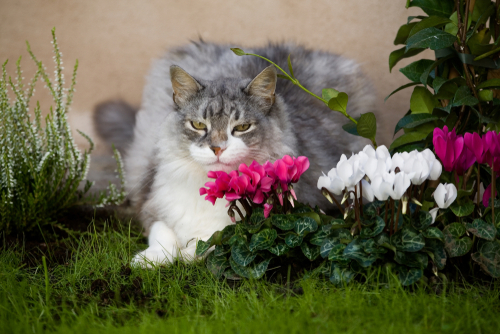
The Florist’s Cyclamen (botanically known as *Cyclamen persicum*) is a medium-sized, prolific bloomer that has been a favorite indoor plant for generations. It’s easy to see why: those dark green, heart-shaped leaves with their silvery patterns are stunning, and the delicate, nodding flowers are just charming. You can find them in a gorgeous range of colors, from deep reds and vibrant pinks to snowy whites.
The Hidden Danger in Your Cyclamen
As pretty as this little plant is, it actually packs a punch—specifically in its flattened tuber, which looks a bit like a potato. This grayish-brown tuber is the plant’s “battery pack.” It’s the central storage organ where the plant keeps all its energy. The roots growing underneath pull nutrients from the soil and stash them in the tuber, which the Cyclamen then lives off of during its blooming phase. Because of this built-in pantry, you don’t even need to fertilize it while it’s flowering! Once the blooms fade and the leaves turn yellow, just pluck them off and give the tuber some downtime to recharge its nutrient stores for the next round.
What’s Lurking Inside the Tuber?
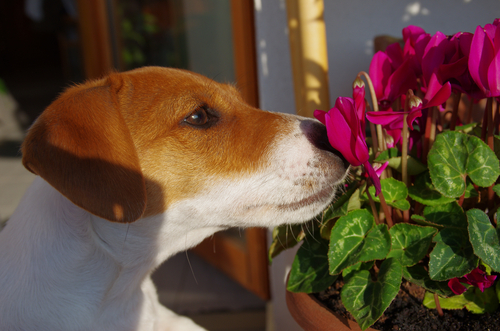
While that storage organ is vital for the plant, it also contains a toxic secret. It’s loaded with triterpene saponins, which are highly poisonous to both humans and pets. Now, it’s pretty unlikely an adult or an older child is going to take a bite out of a houseplant, but it’s a real concern for curious toddlers and pets. You should always keep your Cyclamen on a high shelf or somewhere completely out of reach. Also, make sure to toss any fallen petals or leaves right away. Even though we try our best, sometimes cats, dogs, bunnies, or birds manage to get a nibble. Even a tiny amount can cause issues, and just 8 grams (less than a third of an ounce) can be fatal.
Signs of Poisoning
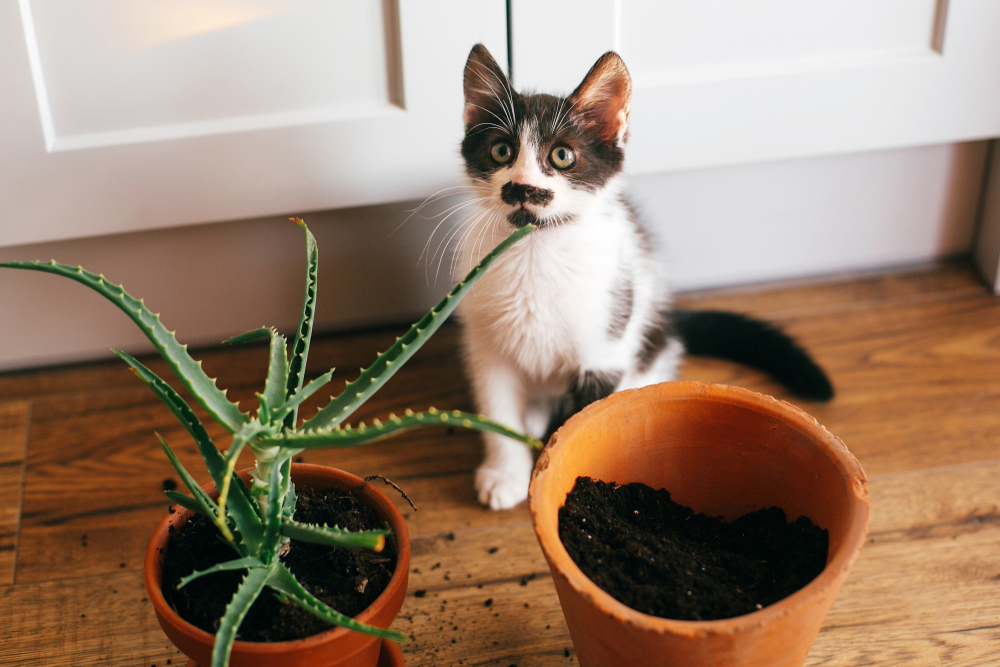
Playful kittens are especially at risk because they love to jump onto counters and chew on anything green. If a pet ingests any part of a Cyclamen, keep an eye out for these symptoms:
- Vomiting
- Diarrhea
- Severe stomach pain (colic)
- Seizures or tremors
- Circulatory problems
- Respiratory failure
If you notice any of these signs, get to the vet immediately. As a quick first-aid step, try to get your pet to drink as much water as possible on the way there.