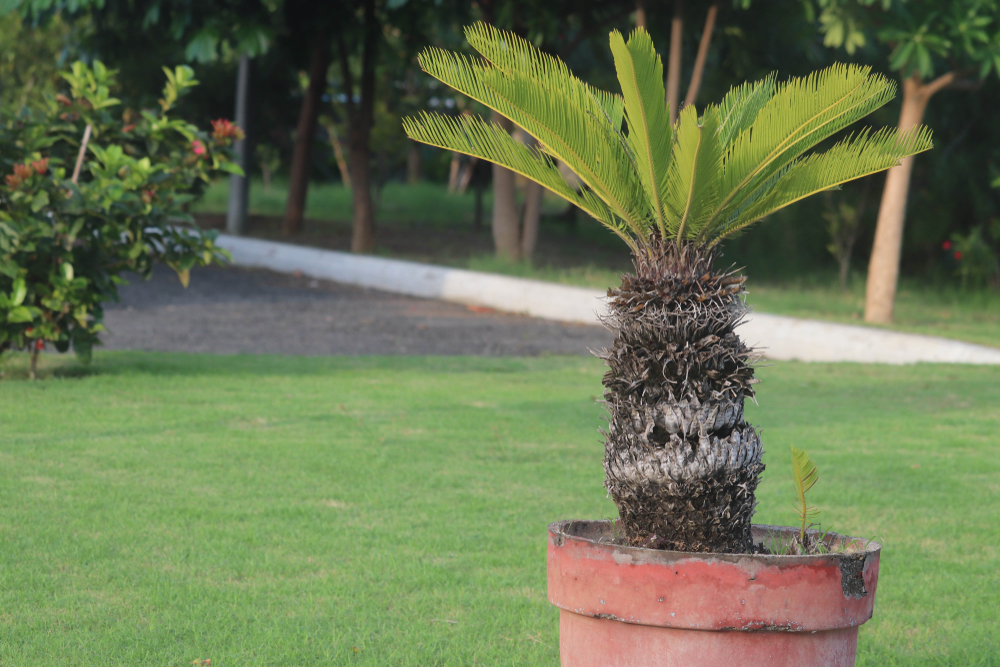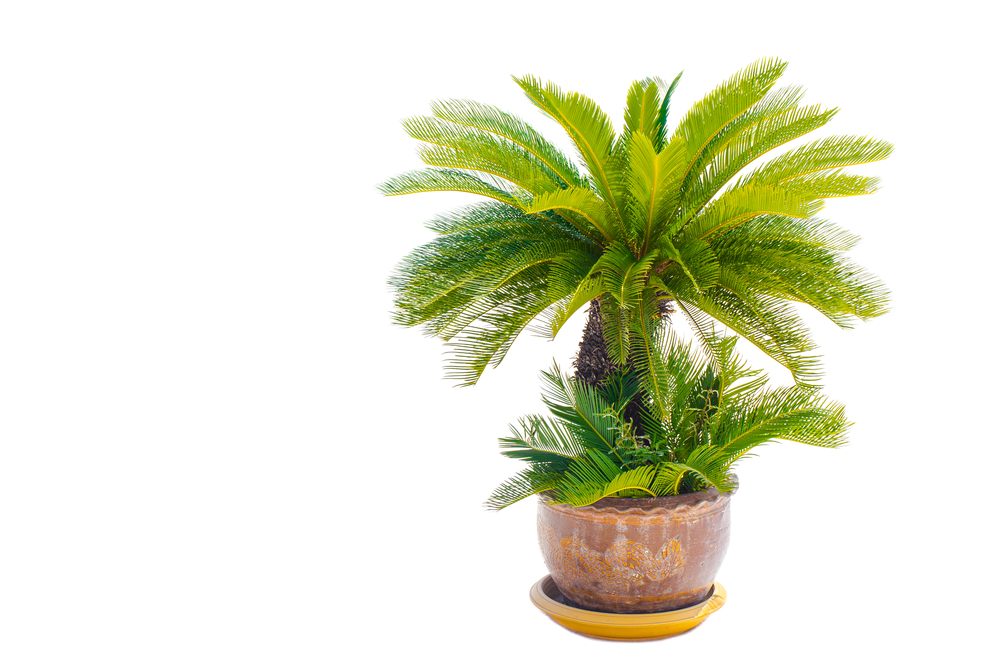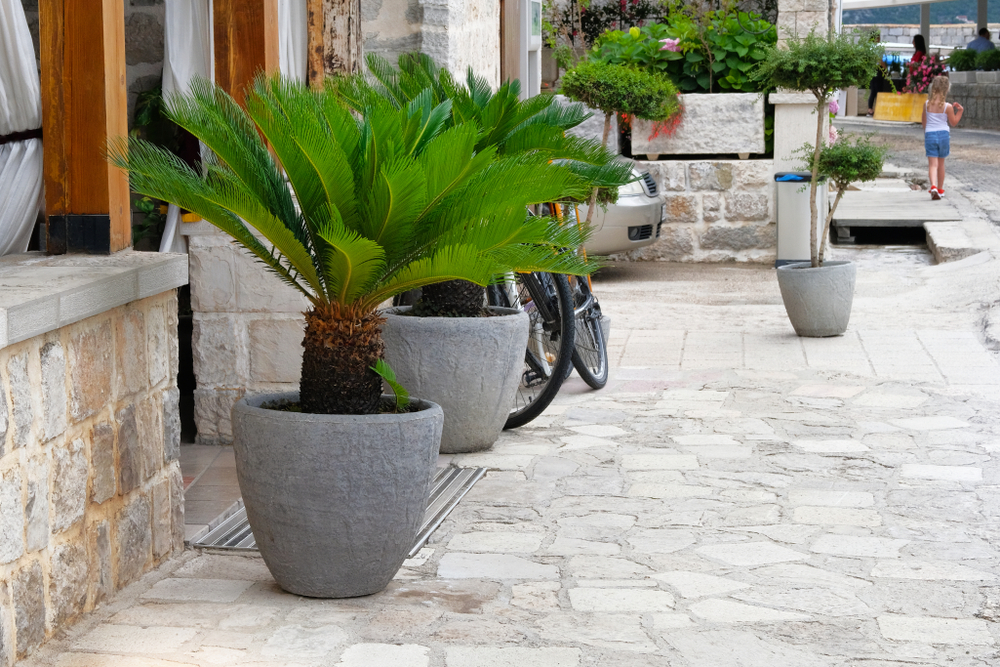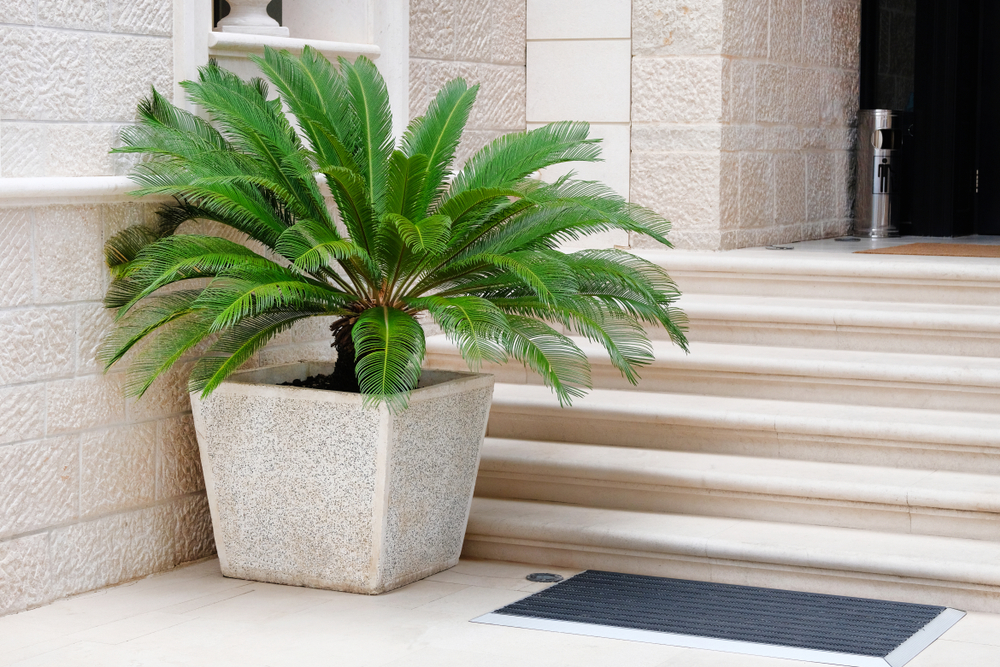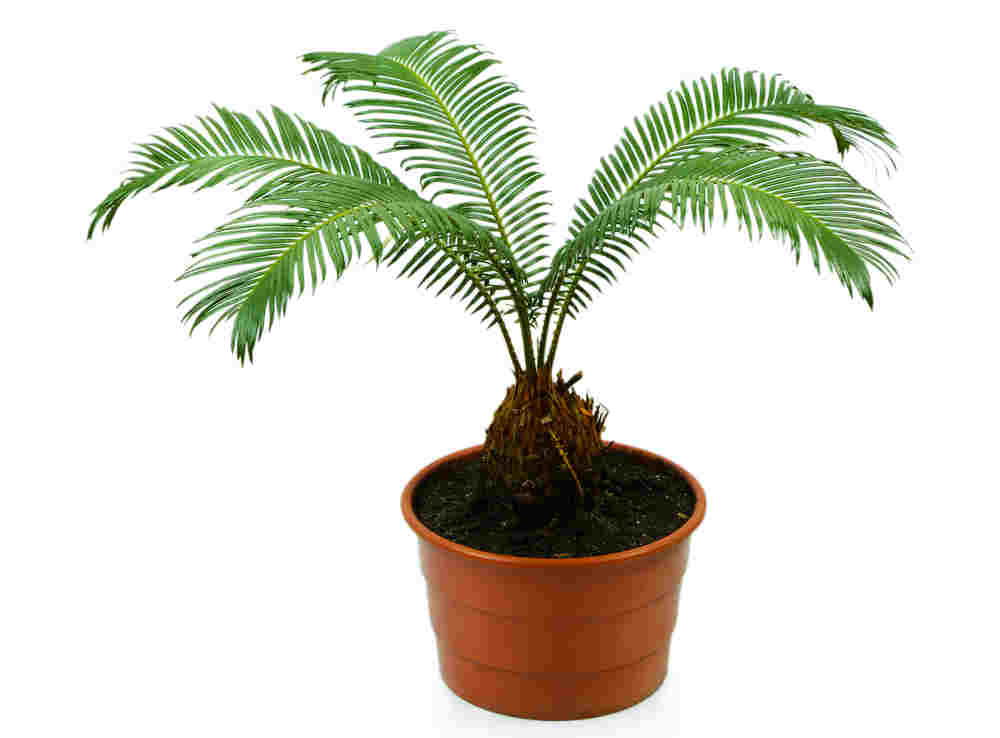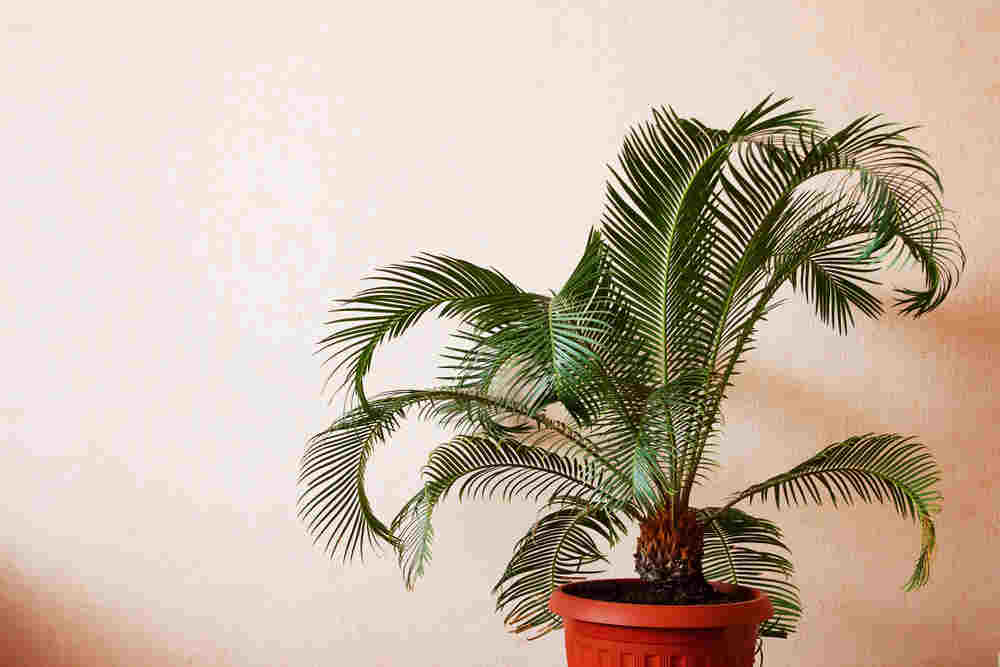
The popular date palm is a total rockstar for indoor gardening—it’s hardy, low-maintenance, and perfect for beginners. Because it’s a slow grower, you won’t have to worry about it taking over your living room overnight. In fact, you’ll only need to repot it every three to four years. When kept in a container, it stays at a very manageable height.
Fun Facts About the Date Palm
Originally hailing from the Canary Islands, this stunning palm belongs to the Arecaceae family. While they can tower up to 80 feet in the wild, indoor date palms usually top out at around 6 to 10 feet. These palms grow by pushing out new fronds from the “heart” or center of the plant. Just a heads-up: don’t expect flowers or fruit when growing them indoors; that’s pretty rare for houseplant versions.
How to Keep Your Palm Happy
A date palm really becomes a showstopper when it’s thriving. Even though it’s not a “diva” plant, it still needs a little TLC every now and then to look its best.
The Perfect Spot
To keep your palm happy, look for a spot that checks these boxes:
- Lots of bright, indirect light (avoid harsh, direct sun)
- Partial shade is okay, but it will slow down the growth
- Plenty of warmth—77°F (25°C) or higher is ideal
- A spot protected from the wind
- No chilly drafts
- Consistent moisture (but no soggy feet!)
- High humidity
Watering and Feeding
During the growing season, your date palm is going to be thirsty, but it hates sitting in standing water. To play it safe, add a drainage layer of expanded clay or broken terracotta pieces at the bottom of the pot. A good rule of thumb is to water whenever the top inch of soil feels dry. Feed your palm with liquid fertilizer every two weeks, or simplify your life by using a slow-release fertilizer that lasts for six months.
When winter rolls around, cut back on the water and stop fertilizing altogether. Your palm is in its “rest phase” now, recharging its batteries. It’s also a good idea to move it to a bright but cooler spot during these months.
The Right Soil
Date palms love well-draining, slightly acidic soil. If you’re a DIY fan, you can mix your own palm substrate using:
- Standard potting soil
- Compost
- Sand or gravel
- Crushed expanded clay or lava granules
The goal is a mix that’s loose, nutrient-rich, and holds onto moisture while letting the excess drain away. If you’d rather skip the mixing, a high-quality commercial palm soil from your local garden center works perfectly fine!