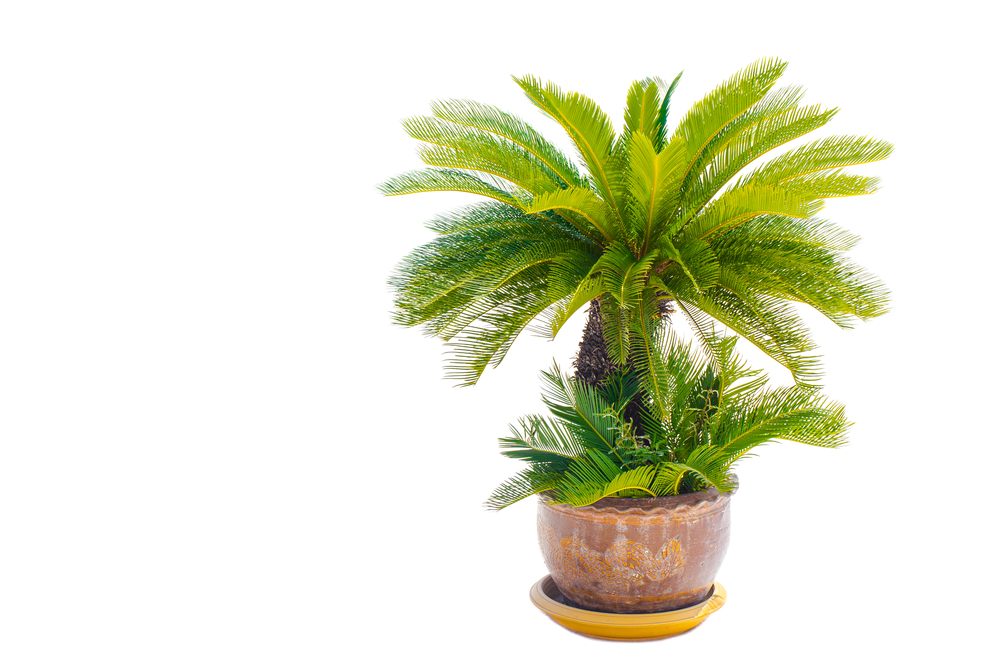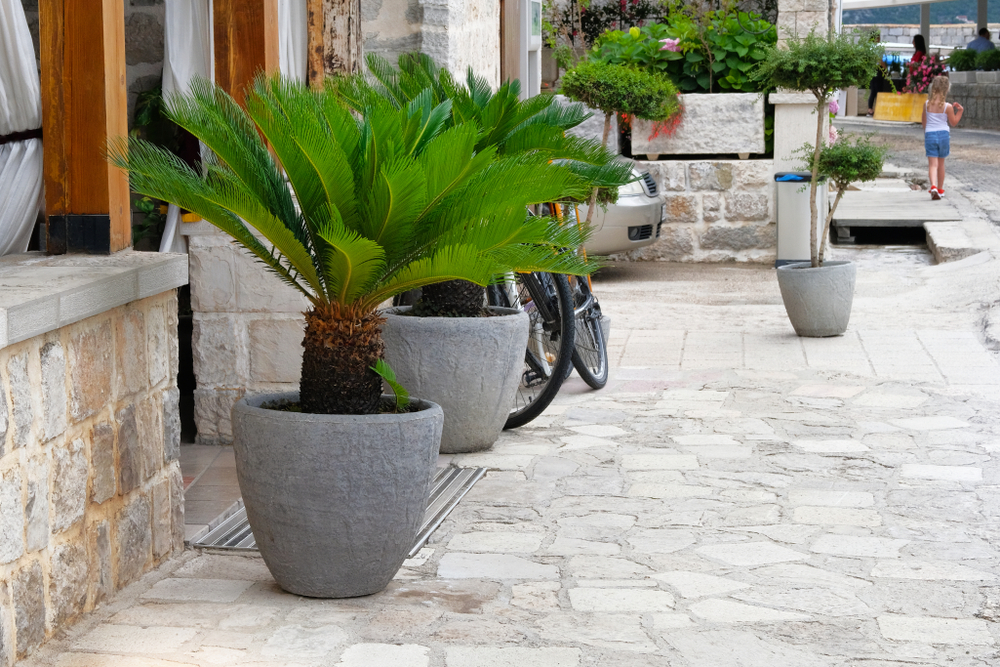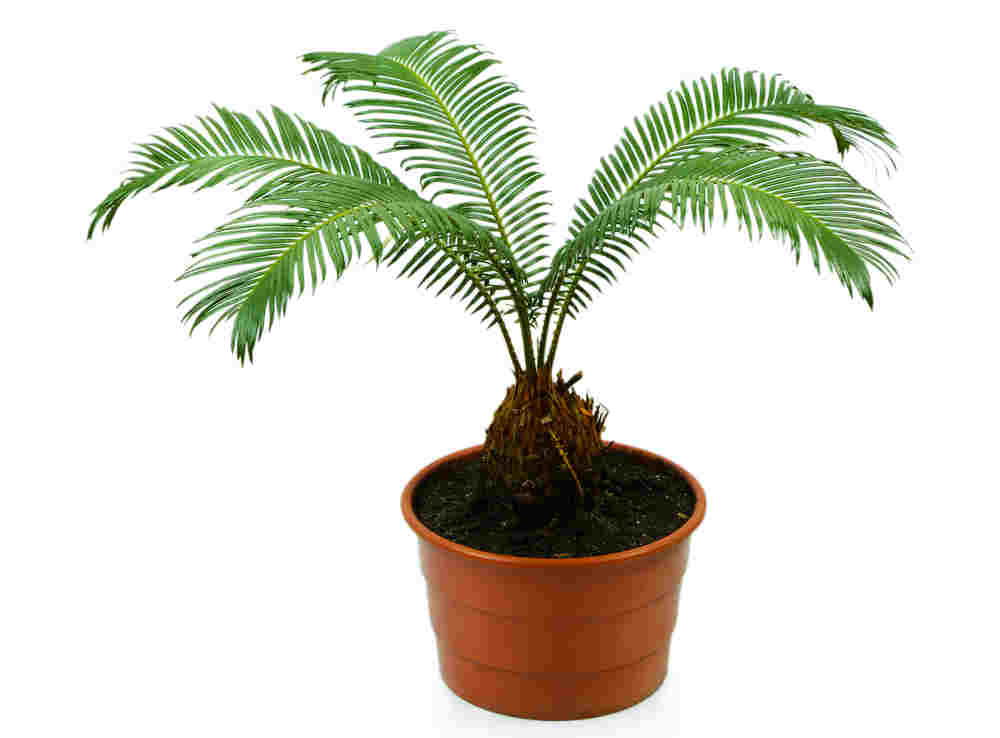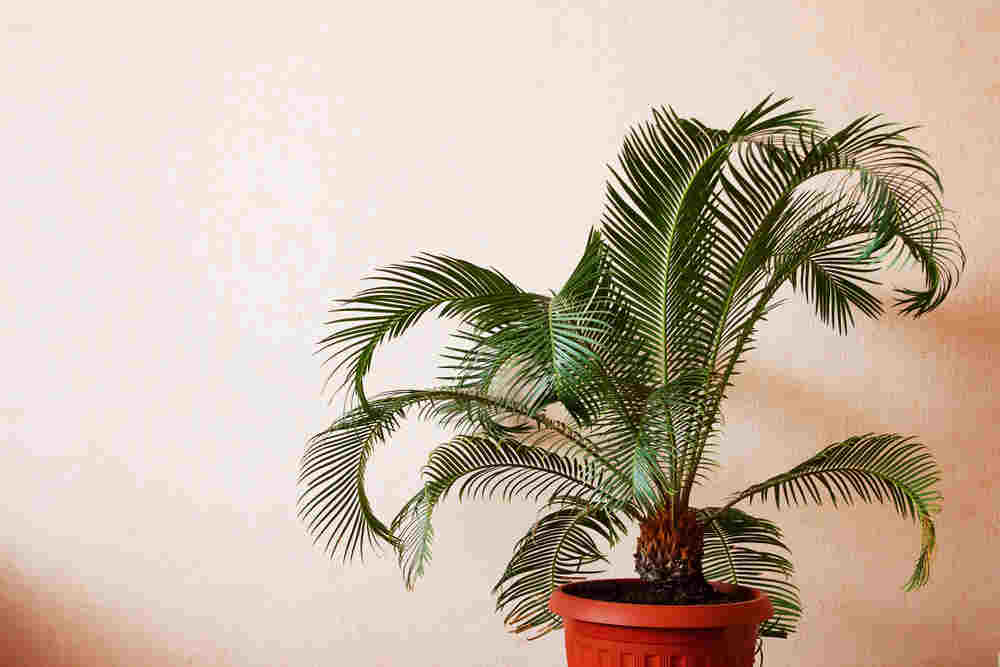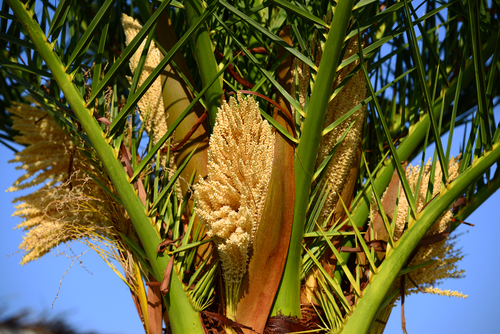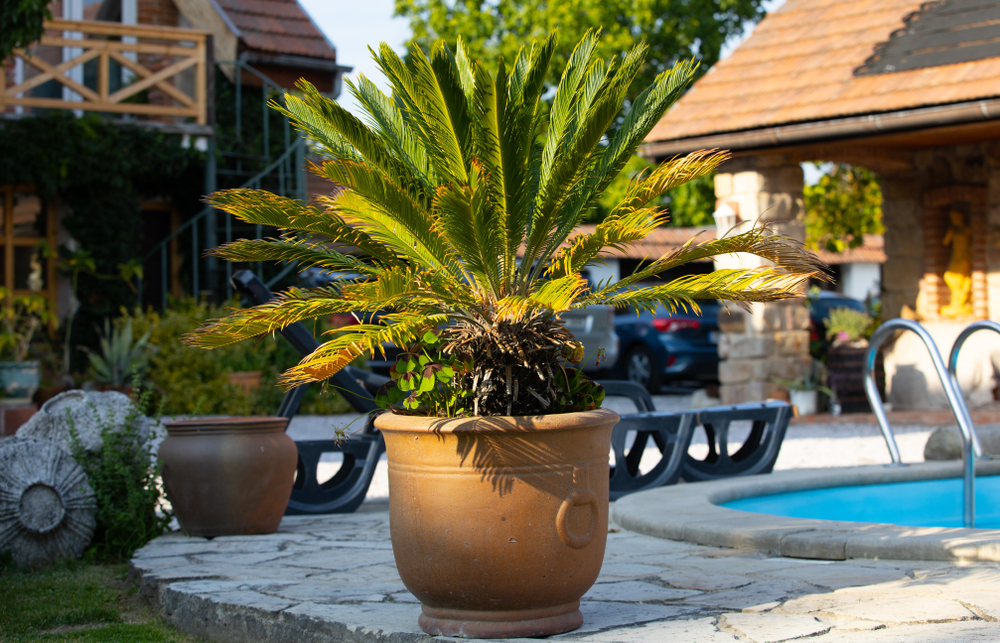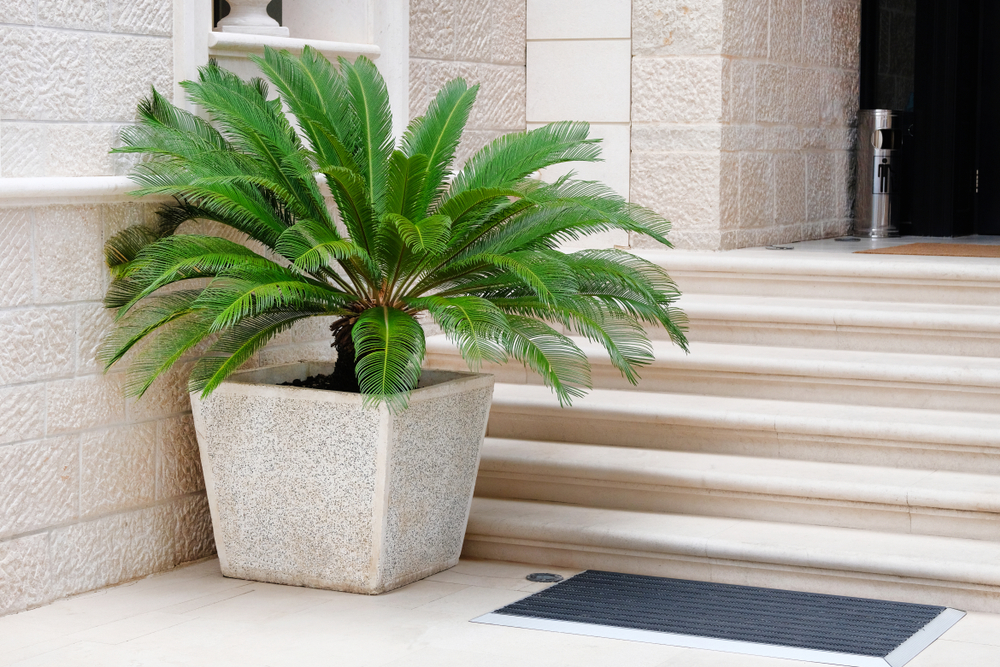
The date palm is one of those low-maintenance houseplants that instantly brings a tropical vibe to your living room. If you find the right spot for it, this plant will thrive and become a total showstopper in your home. Plus, during the summer months, it loves hanging out on the patio for weeks at a time!
Planting Your Date Palm
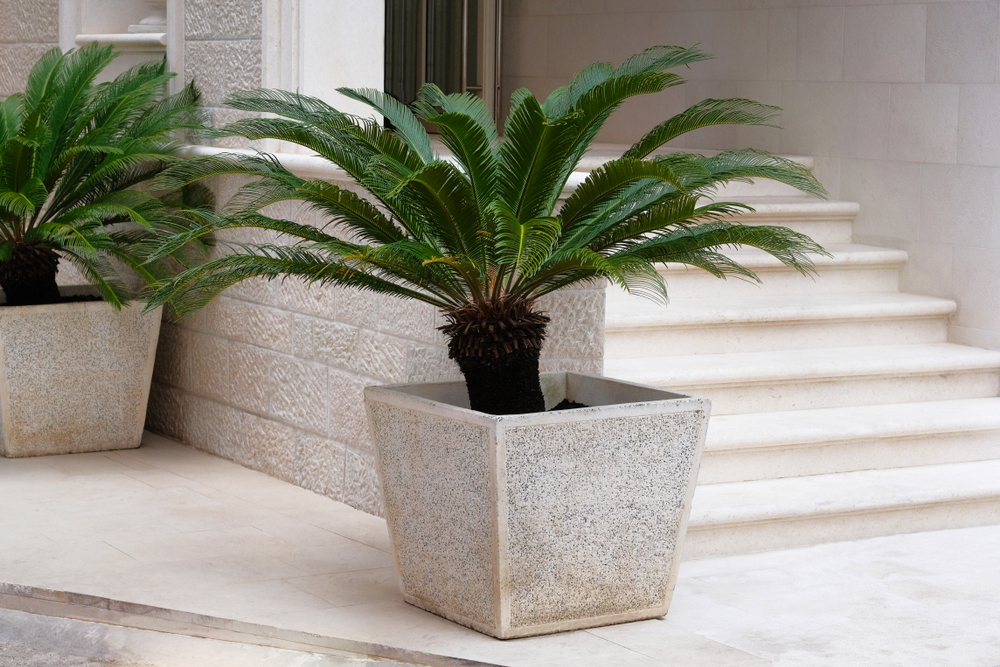
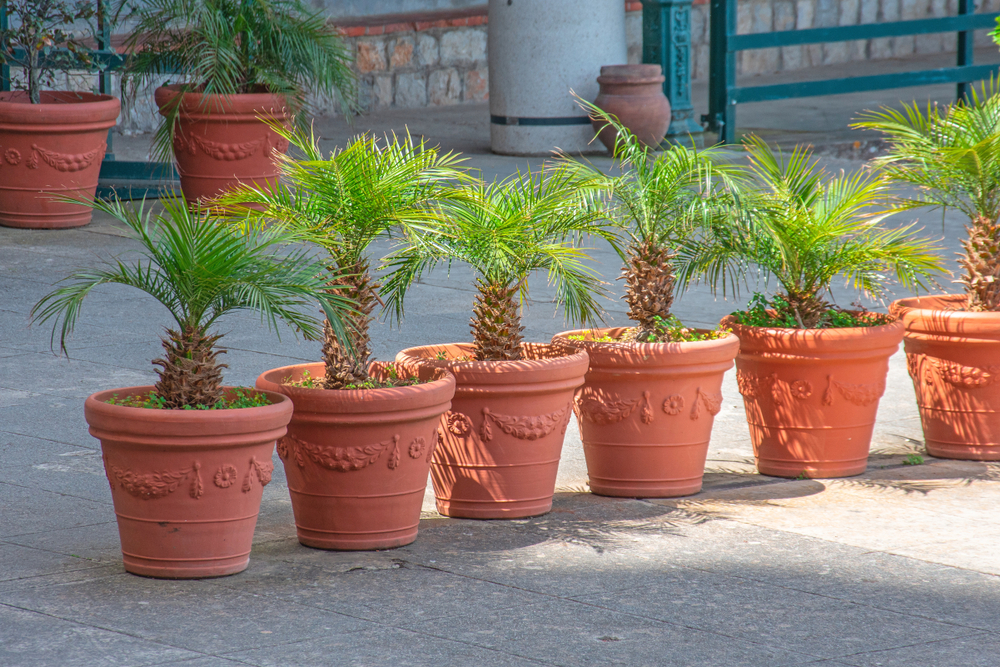
If you’re ready to get your date palm planted, you’ll need to start with the right pot. Because these palms have wide-reaching fronds and deep roots, you want a container that is both wide and tall. A sturdy, large planter gives the palm room to grow and keeps it from tipping over—which is super important if you have kids or pets running around who might accidentally knock over a flimsy pot. To prevent “wet feet” (root rot), make sure you set up some drainage first. Layer some expanded clay pebbles or broken terra cotta shards at the bottom, then cover them with a piece of landscape fleece so your soil doesn’t wash away. After that, just set your plant in some high-quality potting soil, press it down firmly, and give it a good drink.
The Perfect Soil
Date palms do best in soil that is nutrient-rich, well-draining, and slightly acidic. A great DIY mix is equal parts potting soil, sand, palm soil, and fresh compost. That drainage layer we mentioned earlier will make sure any extra water flows right through.
Finding the Right Spot
Your date palm will be happiest in a bright, warm spot at normal room temperature with plenty of space to spread its fronds. You want to keep the roots consistently moist, but never soggy. From late spring through early autumn, feel free to move your palm to a sheltered, sunny spot in the garden or on the deck. Just a heads-up: planting them directly in the ground isn’t recommended in our climate. When the weather turns chilly, bring it inside to a bright room that stays around 60°F (15°C) for the winter.
Maintenance and Care
To avoid overwatering, only grab the watering can when the top layer of soil feels dry to the touch. Your palm will also love a little “spa treatment”—misting it with water every now and then helps boost the humidity. During the summer growing season, add a low dose of liquid fertilizer to your water every two weeks. Once the plant goes into its winter rest phase, you can scale back the nutrients to just once every six weeks.